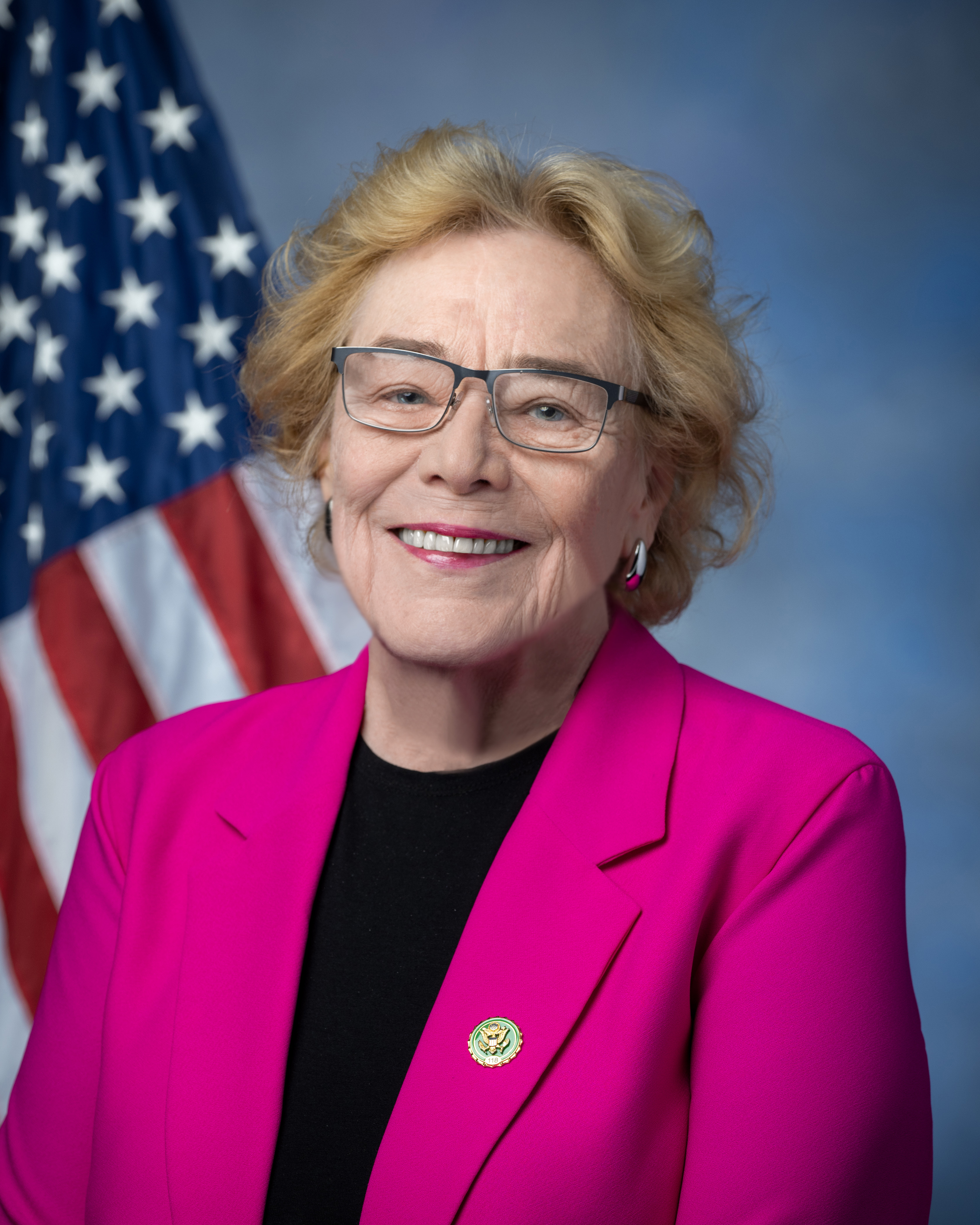
RELEASE: Rep. Friedman, Bipartisan & Bicameral Coalition Announce Legislation to Create a National Film Tax Credit
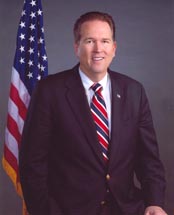
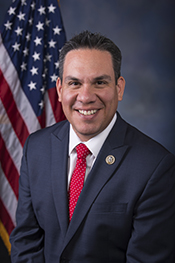
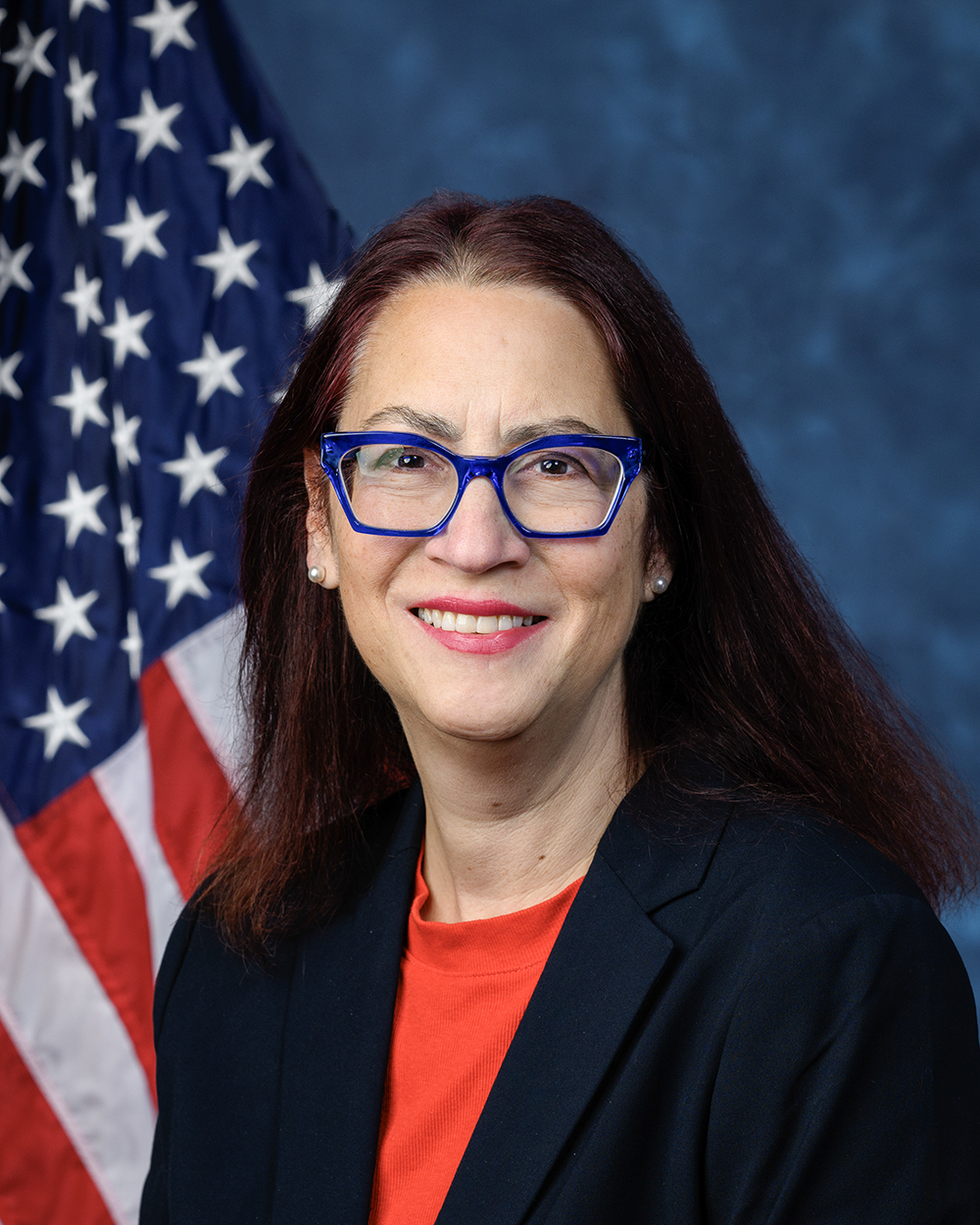
September 24, 2026 Press Release Legislation helps bring back 143,500 jobs a year and $133 billion in wages for American workers over the next decade WASHINGTON, D.C. – Today, September 24, 2026, U.S. Congresswoman Laura Friedman (CA-30) announced the bipartisan, bicameral Motion Picture, Television, and Entertainment Revitalization Act , legislation to create a national film tax credit and bring hundreds of thousands of good-paying production jobs back to the United States. A one-pager on the bill is available here . Full text is available here . The Motion Picture, Television, and Entertainment Revitalization Act will create 143,500 full-time equivalent jobs annually across the country by establishing a 20% tax credit on labor expenses for American workers on qualifying film and television productions, with bonus credits worth up to 30% for productions that hire in rural or federal disaster areas, work across multiple states, or bring work home from overseas. The bill is led by Representatives Laura Friedman, Nathaniel Moran (TX-01), Linda Sánchez (CA-38) (CA-30), Brian Jack (GA-03), David Kustoff (TN-08), Judy Chu (CA-28), Mike Carey (OH-15), and Tom Suozzi (NY-03) in the House. In the Senate, the bill is led by Senators Tim Scott (SC) and Adam Schiff (CA). “For over a year, I’ve worked to build a coalition of unions, studios, Republicans & Democrats, and the White House, because we knew that a national film tax credit would bring hundreds of thousands of jobs back to our country,” said Congresswoman Laura Friedman (CA-30). “This bill is a result of that coalition. It tells every country that has been outbidding us for American work that we are done losing” WHAT THE BILL DOES: A 20% credit on American labor expenses. Feature films, television pilots, and television seasons that cost more than $1 million qualify if at least 75% of their principal photography days happen in the United States. Bonus credits that reward hiring where it is needed most. Productions can earn an additional 5% each, up to a 30% total credit, for shooting at least 30% of their days in a rural opportunity zone or a federally declared disaster area, for independent productions, for spending at least $10 million in qualified wages across 10 or more states, and for increasing domestic production relative to what a company shoots abroad. Includes post-production and visual effects work. Domestic post-production and VFX qualify as long as at least 75% of those costs are incurred in the United States, with the same 5% bonuses available. Usable by independent producers, not just major studios. The credit is transferable, meaning a producer who doesn't owe enough in federal taxes to use it can sell it to a company that does and get the cash up front. Takes effect quickly. The credit applies to productions that begin in taxable years starting after December 31, 2026. A one-pager with more details can be found here FRIEDMAN’S WORK TO GET AMERICA A NATIONAL FILM TAX CREDIT: Spent more than a year building the coalition behind this bill , sitting down with Rep. Brian Jack, Jon Voight, industry unions, studios, producers, and more to make the case for a national film tax credit before the issue had political momentum, as Variety reported in May 2025 . Co-founded the Congressional American Film & TV Production Caucus with Rep. Brian Jack (GA-03), Rep. Nathaniel Moran (TX-01), Rep. Linda Sánchez (CA-38), Rep. Nicole Malliotakis (NY-11), and Rep. Tom Suozzi (NY-03), building the bipartisan bloc that will help carry this bill, as reported by Deadline and The Hollywood Reporter . Helped stand up the U.S. Film & TV Production Coalition with the Motion Picture Association, Jon Voight, IATSE, the DGA, and the industry’s unions, appearing at the September 2026 press conference where MPA Chairman and CEO Charles Rivkin released the study behind these numbers, as covered by TheWrap . “Having worked in a movie theater growing up, I saw early on how films can move and inspire generations of Americans. Films like ‘The Notebook’ bring us to tears, and films like ‘Forrest Gump’ inspire us to see the world differently. That is the power of film, and South Carolina is blessed to serve as the backdrop for both of these iconic American stories,” said Senator Tim Scott (SC) . “We cannot stand by as more and more American film production moves overseas, taking jobs, investment, and an important source of American cultural influence with it. This legislation will create jobs in communities across America, support local economies, and help ensure that the next generation of iconic American films is made right here in America.” “For years, I’ve been championing a federal film tax credit to stop the exodus of tv and film production leaving the United States for countries offering higher incentives. Now, we have the best opportunity in decades to get it done. The direct and indirect jobs created by this creative and talented workforce are enormously important, and we want to make sure they stay in this country. With the support of the White House, our bill will create an overdue federal program to bring the movie magic back to America while creating thousands of jobs and spurring local economic growth across the nation. This legislation has bipartisan, bicameral support, and it’s time we get this passed,” said Senator Adam Schiff (CA). “When a production comes to a community—from rural East Texas to urban New York—that money doesn't just benefit the production company. It helps the local caterer, the hardware store, the hoteliers, and every tradesman in between who makes film and television production possible. Those jobs are going overseas right now simply because other countries are offering bigger handouts. If we want to keep American storytelling in America, we have to level the playing field, and that's exactly what this bill does. This isn't about subsidizing Hollywood—it's about supporting the American worker, one story and one production at a time. I'm proud to work with Senator Scott and our bipartisan group in both chambers to get this done, and I'm grateful to Ambassador Jon Voight and Sean Astin for the work they've put into pushing this forward,” said Congressman Nathaniel Moran (TX-01). “My Congressional District is home to Trilith Studios, and I proudly represent the craftsmen, electricians, and carpenters who work hard to create movies that inspire generations of Americans. Study after study has demonstrated that American film production delivers substantial economic benefits to communities across our country by creating jobs, supporting local businesses, and generating millions of dollars in local economic activity. I applaud President Trump's leadership in calling for a legislative solution to bring film production back to the United States, and I look forward to working with him and my colleagues in Congress to advance our legislation and achieve this important goal,” said Rep. Brian Jack (GA-03). “The United States is losing good-paying union jobs because it’s become too expensive to film here. This isn’t about the actors who star in films and can travel for a shoot. It’s about the production crews and set builders, the backbone of the film industry. Our bill would create incentives to bring those jobs back home and boost local economies, not just in California, but across the country,” said Congresswoman Linda Sánchez (CA-38). “For generations, Southern California has been the heart of America's film and television industry, supporting thousands of workers and small businesses in the San Gabriel Valley and across our region. But today, too many productions are leaving for other countries, taking good-paying jobs and economic opportunity with them. We cannot stand by while communities across the United States lose these productions and the jobs they support. That's why I am so proud to co-lead the bipartisan, bicameral Motion Picture, Television, and Entertainment Revitalization Act, which will create a new federal tax credit to incentivize film and television production here in America. This bill will help bring productions and jobs back home, support our creative workforce, and keep Southern California the entertainment capital of the world,” said Congresswoman Judy Chu (CA-28). “Ohio has a rich history in film production, from ‘The Deer Hunter’ and ‘The Shawshank Redemption’ to ‘The Avengers’ and ‘A Christmas Story.’ Many of these filming locations have become tourist attractions and are economic drivers to this day. The film industry provides high-paying jobs for artists, small businesses, and union workers. As other countries implement beneficial tax incentives to draw production away from the United States, Congress must work to ensure the United States stays competitive. I would like to commend Representative Moran for introducing this important legislation. As Chairman of the Humanities Caucus and a member of the tax-writing committee, I am confident this bill will help the United States maintain its global influence, as well as the high-paying jobs, associated with film production,” said Congressman Mike Carey (OH-15). “The film and TV industry is an economic engine in New York. It supports thousands of good jobs at good wages,” said Congressman Tom Suozzi (NY-03) . “America is the entertainment leader of the world and this bill incentivizes filmmakers and studios to hire American workers. I'm proud to help lead this commonsense, bipartisan effort.” “I want to thank President Trump for bringing national attention to the urgent need for a federal film and television production tax credit and for calling on Congress to act,” said Hollywood Ambassador Jon Voight. “I also want to thank Senators Tim Scott and Adam Schiff, along with Representatives Nathaniel Moran, Linda Sánchez, Brian Jack, Laura Friedman, Mike Carey, Judy Chu, David Kustoff, Tom Suozzi, and the growing list of supporters, for their work on this bipartisan effort to bring productions and jobs back to the United States. The Motion Picture, Television, and Entertainment Revitalization Act will restore the American film and television industry, put crews back to work, support productions at all levels, and create economic opportunities in communities nationwide. All Americans want to bring our iconic film industry home, and we can do it by working together to get this important legislation passed quickly.” Endorsed by: American Federation of Musicians, American Society of Composers, Authors, and Publishers (ASCAP), Coalition for American Production (CAP), CreativeFuture, Directors Guild of America (DGA), FilmUSA, Independent Film and Television Alliance (IFTA), International Alliance of Theatrical Stage Employees (IATSE), Motion Picture Association (MPA), Paramount, Producers Guild of America (PGA), Screen Actors Guild – American Federation of Television and Radio Artists (SAG-AFTRA), Teamsters, Television Academy, Writers Guild of America East (WGAE), Writers Guild of America West (WGAW). Statements of support from endorsing organizations can be found here . The American film and television industry supports more than two million jobs, pays $202 billion in wages, and is made up of more than 162,000 businesses in all 50 states, the vast majority of them small businesses. But more than 100,000 production jobs have disappeared since the industry’s peak in October 2022, a decline of roughly 36% through February 2026. While U.S. high-budget production spending fell 20% in 2025, the United Kingdom grew 15%, and Germany, Hungary, and the Czech Republic grew a combined 78%. Sixty-five countries now offer production incentives, and no single state can outbid a foreign government. ###
b31d5677-ad89-4291-8622-325d6739b165Issued within 24 hours
Other senators' releases published in the day before or after this one.