RELEASE: Gottheimer Urges FDA to Establish Clear Standards for Rare Disease Status
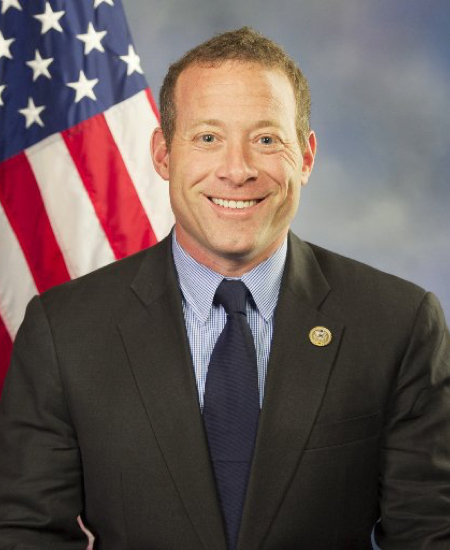
Resources / Press Share on RELEASE: Gottheimer Urges FDA to Establish Clear Standards for Rare Disease Status Protect Patients with Sarcoidosis and Other Serious Illnesses Bipartisan Letter Warns That Unclear Standards Could Strip Rare Disease Status From Conditions Like Sarcoidosis Oct 09, 2026 Press WASHINGTON, DC — U.S. Congressman Josh Gottheimer (NJ-5), Founder and Co-Chair of the Congressional Sarcoidosis Caucus, and thirty-eight of his colleagues sent a bipartisan letter to the U.S. Department of Health and Human Services Secretary Robert F. Kennedy Jr. and U.S. Food and Drug Administration Commissioner Marty Makary urging the agencies to establish clear, consistent standards for defining rare disease patient populations. “When 95 percent of rare diseases do not have cures, we cannot risk discouraging innovation in areas where scientific progress is rapidly outpacing regulatory adaptation,” the letter reads. “These challenges are not merely technical — they have real implications for patients… This means if the FDA considers prevalence rate with the higher estimate as the prevailing rate, diseases like Sarcoidosis are no longer capable of receiving crucial rare disease funding to find cures even though the patient population that needs treatment is well below the current FDA standard for rare.” The letter raises concerns about the lack of clear, consistent FDA standards on how patient populations should be defined, how prevalence should be measured, and what evidentiary standards sponsors must meet. Advances in genomics and precision medicine are enabling researchers to identify increasingly specific disease subtypes, but the FDA has no clear roadmap for how to characterize those populations in regulatory submissions. The letter warns that this uncertainty can lead to unpredictable regulatory outcomes and discourage investment in therapies for small or complex patient populations. This lack of clarity is already causing harm. Diseases like sarcoidosis, multiple myeloma, Charcot-Marie-Tooth disease, and pulmonary hypertension — serious, often life-altering conditions — risk losing rare disease status depending on how patient populations are counted. For example, while some estimates place sarcoidosis prevalence just above 200,000, only about 60,000 patients actually require treatment. If the FDA relies on the higher estimate, diseases like sarcoidosis could lose access to rare disease-specific research funding and incentives, even though the population that needs treatments is well below the 200,000-person threshold. The lawmakers urge HHS and the FDA to: Establish standardized definitions for how patient populations are delineated, including the role of genetic, biomarker, and clinical criteria. Issue clear guidance on acceptable methodologies for calculating and submitting prevalence data, including preferred data sources, timeframes, and analytic approaches. Outline how real-world data and registry-based studies should be incorporated into regulatory submissions. Provide greater transparency into how population definitions and prevalence estimates are evaluated during review. Clarify the role of treatment-eligible patient populations in determining rare disease status. Engage patient groups, researchers, and industry to develop consensus-driven best practices for population identification and data submission. The letter is co-signed by Reps. Jake Auchincloss (D-MA), Don Bacon (R-NE), Nanette Díaz Barragán (D-CA), Wesley Bell (D-MO), André Carson (D-IN), Yvette Clarke (D-NY), Steve Cohen (D-TN), Jim Costa (D-CA), Danny Davis (D-IL), Don Davis (D-NC), Madeleine Dean (D-PA), Brian Fitzpatrick (R-PA), Lois Frankel (D-FL), Maggie Goodlander (D-NH), Adam Gray (D-CA), Adelita Grijalva (D-AZ), French Hill (R-AR), Jim Himes (D-CT), Jonathan Jackson (D-IL), Hank Johnson (D-GA), Ro Khanna (D-CA), Darin LaHood (R-IL), Mike Lawler (R-NY), Stephen Lynch (D-MA), Sarah McBride (D-DE), Max Miller (R-OH), Kelly Morrison (D-MN), Seth Moulton (D-MA), Jimmy Panetta (D-CA), Mark Pocan (D-WI), Linda Sánchez (D-CA), Eric Sorensen (D-IL), Darren Soto (D-FL), Tom Suozzi (D-NY), Shri Thanedar (D-MI), Rashida Tlaib (D-MI), and Debbie Wasserman Schultz (D-FL). “The letter builds on Gottheimer’s longstanding work on sarcoidosis and rare diseases. He has led an annual bipartisan appropriations letter urging research funding for sarcoidosis through the National Heart, Lung, and Blood Institute (NHLBI), founded the Bipartisan Congressional Sarcoidosis Caucus, and has met with patients, advocates, and leading medical professionals from across New Jersey to discuss the disease. Importantly, Gottheimer secured language in the Fiscal Year 2027 Labor, Health and Human Services, and Education appropriations bill that passed out of committee this year. The language encourages the NHLBI to advance research into sarcoidosis — the first-ever mention of the disease in this appropriations bill. For the sarcoidosis community, this is not jus
b70b83fb-a230-4eaa-8857-9c63e864f348Edit history (1 prior version)
This release was edited after publication. Earlier captures are preserved below.
- Captured Oct 9, 2026, 5:13 PM EDT
Show prior body text
Resources / Press Share on RELEASE: Gottheimer Urges FDA to Establish Clear Standards for Rare Disease Status Protect Patients with Sarcoidosis and Other Serious Illnesses Bipartisan Letter Warns That Unclear Standards Could Strip Rare Disease Status From Conditions Like Sarcoidosis Oct 09, 2026 Press WASHINGTON, DC — U.S. Congressman Josh Gottheimer (NJ-5), Founder and Co-Chair of the Congressional Sarcoidosis Caucus, and thirty-eight of his colleagues sent a bipartisan letter to the U.S. Department of Health and Human Services Secretary Robert F. Kennedy Jr. and U.S. Food and Drug Administration Commissioner Marty Makary urging the agencies to establish clear, consistent standards for defining rare disease patient populations. “When 95 percent of rare diseases do not have cures, we cannot risk discouraging innovation in areas where scientific progress is rapidly outpacing regulatory adaptation,” the letter reads. “These challenges are not merely technical — they have real implications for patients… This means if the FDA considers prevalence rate with the higher estimate as the prevailing rate, diseases like Sarcoidosis are no longer capable of receiving crucial rare disease funding to find cures even though the patient population that needs treatment is well below the current FDA standard for rare.” The letter raises concerns about the lack of clear, consistent FDA standards on how patient populations should be defined, how prevalence should be measured, and what evidentiary standards sponsors must meet. Advances in genomics and precision medicine are enabling researchers to identify increasingly specific disease subtypes, but the FDA has no clear roadmap for how to characterize those populations in regulatory submissions. The letter warns that this uncertainty can lead to unpredictable regulatory outcomes and discourage investment in therapies for small or complex patient populations. This lack of clarity is already causing harm. Diseases like sarcoidosis, multiple myeloma, Charcot-Marie-Tooth disease, and pulmonary hypertension — serious, often life-altering conditions — risk losing rare disease status depending on how patient populations are counted. For example, while some estimates place sarcoidosis prevalence just above 200,000, only about 60,000 patients actually require treatment. If the FDA relies on the higher estimate, diseases like sarcoidosis could lose access to rare disease-specific research funding and incentives, even though the population that needs treatments is well below the 200,000-person threshold. The lawmakers urge HHS and the FDA to: Establish standardized definitions for how patient populations are delineated, including the role of genetic, biomarker, and clinical criteria. Issue clear guidance on acceptable methodologies for calculating and submitting prevalence data, including preferred data sources, timeframes, and analytic approaches. Outline how real-world data and registry-based studies should be incorporated into regulatory submissions. Provide greater transparency into how population definitions and prevalence estimates are evaluated during review. Clarify the role of treatment-eligible patient populations in determining rare disease status. Engage patient groups, researchers, and industry to develop consensus-driven best practices for population identification and data submission. The letter is co-signed by Reps. Jake Auchincloss (D-MA), Don Bacon (R-NE), Nanette Díaz Barragán (D-CA), Wesley Bell (D-MO), André Carson (D-IN), Yvette Clarke (D-NY), Steve Cohen (D-TN), Jim Costa (D-CA), Danny Davis (D-IL), Don Davis (D-NC), Madeleine Dean (D-PA), Brian Fitzpatrick (R-PA), Lois Frankel (D-FL), Maggie Goodlander (D-NH), Adam Gray (D-CA), Adelita Grijalva (D-AZ), French Hill (R-AR), Jim Himes (D-CT), Jonathan Jackson (D-IL), Hank Johnson (D-GA), Ro Khanna (D-CA), Darin LaHood (R-IL), Mike Lawler (R-NY), Stephen Lynch (D-MA), Sarah McBride (D-DE), Max Miller (R-OH), Kelly Morrison (D-MN), Seth Moulton (D-MA), Jimmy Panetta (D-CA), Mark Pocan (D-WI), Linda Sánchez (D-CA), Eric Sorensen (D-IL), Darren Soto (D-FL), Tom Suozzi (D-NY), Shri Thanedar (D-MI), Rashida Tlaib (D-MI), and Debbie Wasserman Schultz (D-FL). The letter builds on Gottheimer’s longstanding work on sarcoidosis and rare diseases. He has led an annual bipartisan appropriations letter urging research funding for sarcoidosis through the National Heart, Lung, and Blood Institute (NHLBI), founded the Bipartisan Congressional Sarcoidosis Caucus, and has met with patients, advocates, and leading medical professionals from across New Jersey to discuss the disease. Importantly, Gottheimer secured language in the Fiscal Year 2027 Labor, Health and Human Services, and Education appropriations bill that passed out of committee this year. The language encourages the NHLBI to advance research into sarcoidosis — the first-ever mention of the disease in this appropriations bill. Gottheimer, a Rare Disease Caucus member, is al
Issued within 24 hours
Other senators' releases published in the day before or after this one.