NEWS: Sen. Schiff Unveils Legislative Package to Expand Access to Affordable Meals for College Students, Address Food Insecurity on College Campuses
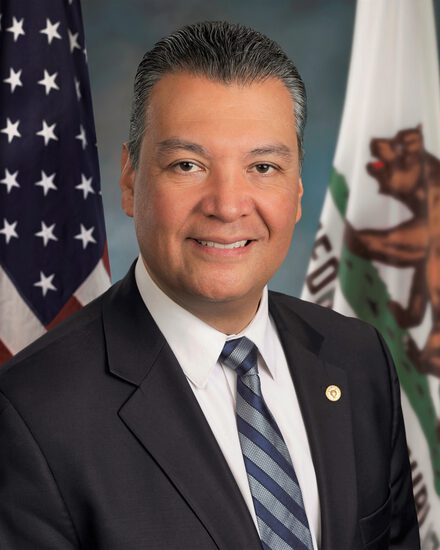
Washington, D.C. – U.S. Senator Adam Schiff (D-Calif.) is unveiling two pieces of legislation that will provide college students across the nation’s campuses access to affordable, nutritious, and hot meals – addressing the worsening food insecurity students on college campuses face. The Hot Meals for College Students Act will allow for college students to use their Supplemental Nutrition Assistance Program (SNAP) benefits to purchase hot and prepared meals from on-campus vendors. The Food for Thought Act will direct the Department of Agriculture (USDA) to establish a grant program for colleges to offer free meals to low-income students. “College students should never have to worry about where their next meal will come from or have to drop out because they can’t afford food and tuition. These bills are a commonsense approach to addressing student hunger and strengthening higher education,” said Senator Schiff. As the food and housing insecurity crises worsen, these challenges are especially acute in California, where the rising cost of food, housing and other necessities continues to strain students already confronting the high cost of attending college. Senator Schiff developed this legislation through his ongoing effort to visit community colleges across California and hear directly from students about the challenges they face. During a visit to San Bernardino Valley College, Jazmyn Garcia, a San Bernardino Community College District (SBCCD) Student Trustee, raised the difficulty of not being able to use SNAP benefits to purchase meals on campus. By bringing students’ experiences into the policymaking process, this bill offers a practical solution to make SNAP more accessible on college campuses and ensure students can more readily use their benefits for nutritious food. “Students like me aren’t asking for a new benefit. We’re asking to use the food assistance we already qualify for where we spend most of our day. I’m a full-time STEM student, I work, and SNAP is my food budget. I already qualify for these benefits, but I can’t use them to buy a hot meal from the cafeteria on my own campus. I try to meal prep, but between school and work, some days I just can’t. A lot of students are balancing school, jobs, bills and family while preparing for careers our communities need. Being able to use SNAP for a hot meal on campus would remove one small but real barrier to finishing college. I’m grateful Senator Schiff came to our campus, listened to students and is working to fix that,” said Jazmyn Garcia, a San Bernardino Community College District (SBCCD) Student Trustee. “We can’t expect students to do their best in class when they’re hungry, and we can’t expect faculty to teach around hunger. Our cafeterias are already here serving students every day. Federal rules should not make it harder for students who already qualify for SNAP to use those benefits for a hot meal on campus. Senator Schiff’s bill is a common-sense fix,” said Dr. Diana Z. Rodriguez, SBCCD’s Chancellor. “Trump and the MAGA-controlled Congress have cut benefits for the most vulnerable, including many Californians that our members teach every day. UAW 4123 members support the Hot Meals for College Students Act of 2026 because we know that in order to learn, our students need access to healthy meals,” said Lark Winner, the President of United Auto Workers (UAW) 4123 , which represents California State University student workers. The Hot Meals for College Students is endorsed by SwipeOut Hunger, the Hope Center for Student Basic Needs, National Education Association (NEA), University of California Student Association (UCSA), University of California Graduate & Professional Council (UCGPC), The Institute for College Access & Success (TICAS), UAW Local 4811, which represents UC student workers, UAW Local 4123, California Community Colleges, Allan Hancock College, College of the Siskiyous, San Bernardino Community College District, Sierra College, Solano Community College, Victor Valley College, Woodland Community College, MiraCosta College, Grossmont-Cuyamaca Community College District and Pasadena City College. The full text of the legislation is available here . A one-pager for the legislation is available here . The Food for Thought Act will create a grant program within USDA to provide free meals to low-income college students, including those at minority-serving institutions and Historically Black Colleges and Universities (HBCUs). The Food for Thought Act will: Amend the Richard B. Russell National School Lunch Act to authorize the Secretary of Agriculture to make grants to institutions of higher education to provide free meals to low-income students; Authorize funds that schools may use to conduct campus outreach on student eligibility for federal food assistance programs, operate on-campus food pantries, and update or purchase critical food infrastructure such as refrigerators and microwaves for student use; and Ensure grantees will collect and report data on the prevalence of food insecurity on their campuses to inform and expand national anti-hunger programming. Senator Schiff first introduced the Food for Thought Act as a member of the U.S. House of Representatives in 2019. Along with Schiff, U.S. Senator Peter Welch (D-Vt.) is co-leading, and U.S. Representative Nanette Barragán (D-Calif.-44) is leading the House companion legislation. “Students from underserved communities face enough challenges in higher education without the added burden of wondering where their next meal is coming from. We should do all we can to provide the resources necessary to give a helping hand to students facing food insecurity on campus,” said Senator Welch. “I’m proud to join Senator Schiff and Rep. Barragán in leading the Food for Thought Act to ensure students from Vermont to California never have to decide between their next meal or pursuing their future.” “Students should never have to choose between putting food on the table and earning a college degree,” said Representative Barragán. “For too many students, especially those from low-income families, hunger is another barrier standing between them and their education. The Food for Thought Act will help colleges provide free meals, strengthen campus food resources, and connect students with the assistance they need to succeed. When we invest in a student’s basic needs, we are investing in their ability to stay in school, graduate, and build a better future. No student should have to go hungry while working toward their education.” The Food for Thought Act is endorsed by numerous organizations and community colleges: California State University, California Community Colleges, University of California Student Association (UCSA), University of California Graduate and Professional Council (UCGPC), UAW Local 4811, UAW Local 4123, SwipeOut Hunger, Hope Center for Student Basic Needs, Congressional Hunger Center, The Institute for College Access & Success (TICAS), American Association of Community Colleges, Center for Law and Social Policy (CLASP), Community College League of California, MAZON: A Jewish Response to Hunger, Southern California College Attainment Network, Association of Community College Trustees, Association of Independent California Colleges and Universities, Los Angeles Community College District, National Educational Association, UnidosUS, National Urban League, Hispanic Association of Colleges and Universities (HACU), American Council on Education (ACE), CalState Long Beach, LA Harbor College, East Los Angeles College, Cerritos College, Hunger Free Vermont, Allan Hancock College, Citrus College, El Camino College, Hartnell College, Lake Tahoe Community College, Madera Community College, Mendocino College, MiraCosta College, Monterey Peninsula College, Ohlone College, Palomar College, Pasadena City College, Rio Hondo College, Santa Rosa Junior College, Mt. San Jacinto College, Victor Valley College, Cabrillo College, College of the Canyons, Cerritos College, Hudson Valley Community College (NY), San Juan College (NM), South Puget Sound Community College, Chaffey College, Grossmont-Cuyamaca Community College District, Kern Community College District, San Bernardino Community College District, Yuba Community College District, Foothill-De Anza Community College District, New Mexico Independent Community Colleges (NM), Riverside Community College District, Yosemite Community College District, South Orange County Community College District, and Chabot-Las Positas Community College District. “On behalf of over 237,000 students across the University of California, and the millions of students across the country who deserve to pursue their education without being hungry, the UC Student Association is excited to stand with Senator Schiff in strong support of the Food for Thought Act ,” said Duke Dela Rosa, UCSA Government Relations Chair and rising junior at UC Berkeley. “Addressing the basic needs crisis facing students is a critical step to strengthen education outcomes, especially when nearly 1 in 4 students nationally struggle with food security, impacting their success and their ability to graduate.” “The University of California Graduate & Professional Council endorses the Food for Thought Act of 2026 to authorize certain institutions of higher education to provide free meals to low-income students as part of necessary efforts to reduce student hunger. As detailed in the January 2025 UCLA Report, SNAP on College Campuses, college students face extremely high levels of food insecurity with more than 70% of CCC students, more than 50% of CSU students, and 42% of UC students. The UC has set an ambitious goal of reducing food insecurity in half by 2030; however, achieving this goal requires federal support. The University of California Graduate & Professional Council is in full support of reducing student hunger and the Food for Thought Act. Student hunger is a structural barrier to higher education, not a personal failure, and we recognize that this federal investment will ensure that hunger does not stand between students and their education. We cannot ask students to work harder, study harder, and graduate on time while accepting that so many are struggling to meet their most basic needs,” said Stephanie Valadez, UC Graduate & Professional Council President at UCGPC. “The California State University is proud to support Senator Schiff, Senator Welch, and Representative Barragán’s efforts to strengthen resources for college students experiencing food insecurity. When students have reliable access to nutritious meals, they are better positioned to stay enrolled, focus on their education and remain on track to graduate even during periods of financial hardship. The Food for Thought Act aligns with CSU Forward’s commitment to student success by giving institutions greater capacity to address food insecurity and help more students make meaningful progress toward their degrees,” said Dilcie Perez, Vice Chancellor, Strategic Enrollment Management and Student Success at California State University. “As the educators who do the majority of frontline teaching at UC, UAW 4811 members know that no student should face hunger or food insecurity while pursuing their degree. UAW 4811 members back the Food for Thought Act because our students deserve to focus on their studies, not on where their next meal will come from,” said Rafael Jaime, President of UAW 4811 . “Millions of students across the country struggle to access and afford sufficient and nutritious food, forcing them to work long hours, take on unmanageable debt, or stop out. Recent SNAP cuts have only made the problem worse. The Food for Thought Act is a necessary and sensible bill that would provide meals to students who too often go hungry, allowing them to focus on what really matters: thriving in their studies and fulfilling their potential,” said Mark Huelsman, Director of Policy & Advocacy at The Hope Center for Student Basic Needs. “As college food insecurity worsens and resources for on-campus food programs become more scarce, the Food for Thought Act shows how policy can provide much-needed solutions today. With this legislation, more students will be able to access the meals they need to be successful in school, and more schools will be able to support their students all the way to graduation day,” said Zoe Duffield, Director of Advocacy at SwipeOut Hunger. “Roughly 1 in 4 college students experience food insecurity, and the OBBBA’s historic cuts to SNAP will make it harder for students at or near poverty to access federal food assistance. We must invest in policies to fill this gap so that students can focus on their studies, not on affording their next meal,” said Valerie Crespin-Trujillo, Senior Director of College Completion & Basic Needs at The Institute for College Access & Success (TICAS) . “The Food for Thought Act pilots new approaches to addressing food insecurity among low-income students, which can in turn increase student success.” The full text of the legislation is available here . A one-pager for the legislation is available here . ###
bf2dcd82-d0dd-4f3e-bd08-32015fba94a5Issued within 24 hours
Other senators' releases published in the day before or after this one.