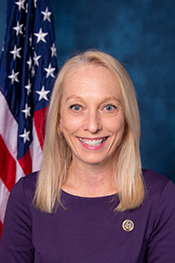
Scanlon Opposes the Sunshine Protection Act, Promotes the Sunshine for Our Kids Act
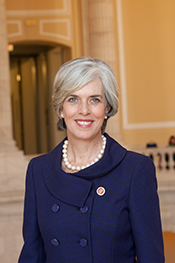
“If we're going to make a permanent change that affects every American, we should follow the science, learn from history, and prioritize Americans' health, particularly that of our children.” WATCH Rep. Scanlon’s floor remarks. Washington, D.C. — Congresswoman Mary Gay Scanlon (PA-05) this week spoke on the House floor about the Sunshine Protection Act, the bill that would make daylight saving time permanent. Citing the risks of this decision, Scanlon discussed her bill, the Sunshine for Our Kids Act, which would make standard time permanent instead. While the Sunshine Protection Act eventually passed the House 308-117, its fate in the Senate remains unclear. Opposition in the Senate cites late sunrises in the winter as detrimental to public health and safety, particularly for school-age children. Below are Rep. Scanlon’s remarks, as prepared for delivery, during Tuesday’s floor debate. “Thank you. As I think we can all tell from the ensuing debate here, there are serious issues that this body needs to be wrestling with, but the Speaker has chosen to put on the floor this week H.R. 139, a bill that would make daylight saving time permanent. So, I think there's one thing everyone in this chamber can agree on: Americans do not like changing their clocks twice a year. So, the big question isn't whether we should ditch the switch. It's how. And unfortunately, the bill that the Speaker has chosen chooses the wrong solution by making daylight saving time permanent nationwide, while denying states the right to enact permanent standard time if they so choose, not if, but when they discover that Congress made the wrong choice. We can all understand the appeal of an extra hour of sunlight in the summer, but permanent daylight saving time comes with serious health and safety concerns caused by even darker winter mornings. If this bill becomes law, winter mornings across the country are going to look very different. Millions of Americans will wake up during the winter months in complete darkness, with the sun not rising until long after people get up and travel to school or work, or have to go about their days. In much of upstate and northern New York, communities won't see the sunrise until well after 8:30 a.m. In Michigan, it will be close to nine before the sun comes up, and in parts of the Pacific Northwest, sunrise will be pushed even later than 9 a.m. In many parts of the country, children will be waiting for school buses in darkness. Parents will be driving to work before sunrise. Morning commuters, students, and pedestrians will be starting their day in the dark. Not because of the seasons, but because Congress decided to move the clock instead of following the sun. We don't have to speculate about what would happen under permanent daylight saving time. We already tried it. During the 1974 energy crisis, Congress made daylight saving time permanent in a failed attempt to save energy. It lasted less than a year. Families found themselves sending their kids to school in the dark, and there were a rash of fatal crashes involving school children. Communities raised serious safety concerns, and public support, which initially was quite strong, quickly collapsed. Congress repealed the policy within months. The science has only become clearer since then. Medical and scientific experts have endorsed the move to permanent standard time because permanent daylight saving time disrupts our natural circadian rhythms, the internal clocks that regulate when we sleep and wake. That disruption has been linked to higher rates of heart disease, stroke, chronic sleep deprivation, and other adverse health concerns. And these bad outcomes are even more serious and long-lasting than the sleep deprivation, traffic accidents, and heart attacks that follow the twice-yearly changes that we currently have. I've also heard directly from my constituents. Like most Americans, they're ready to ditch the switch. But when I asked which permanent system they would prefer if they had to choose, the clear preference was for standard time. And a Gallup poll last year found that Americans preferred permanent standard time to permanent daylight saving time 2 to 1. That's why I've introduced the bipartisan Sunshine for Our Kids Act with Representative Pat Harrigan from North Carolina. Our bill would end the clock changes and make standard time the national default. But importantly, it would also allow for states to adopt permanent daylight saving time through state law if they choose. If we're going to make a permanent change that affects every American, we should follow the science, learn from history, and prioritize Americans' health, particularly that of our children. That's why I urge a no vote on the rule and on H.R. 139. I yield back.” ###
c2c80b52-9318-4313-bd61-0098e8a7ad80Issued within 24 hours
Other senators' releases published in the day before or after this one.