Ebony: Op-Ed: From the Salon Chair to the Policy Table: Fighting for Black Women’s Health
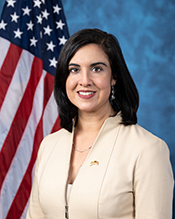
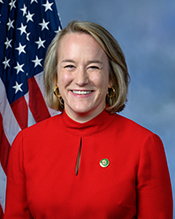
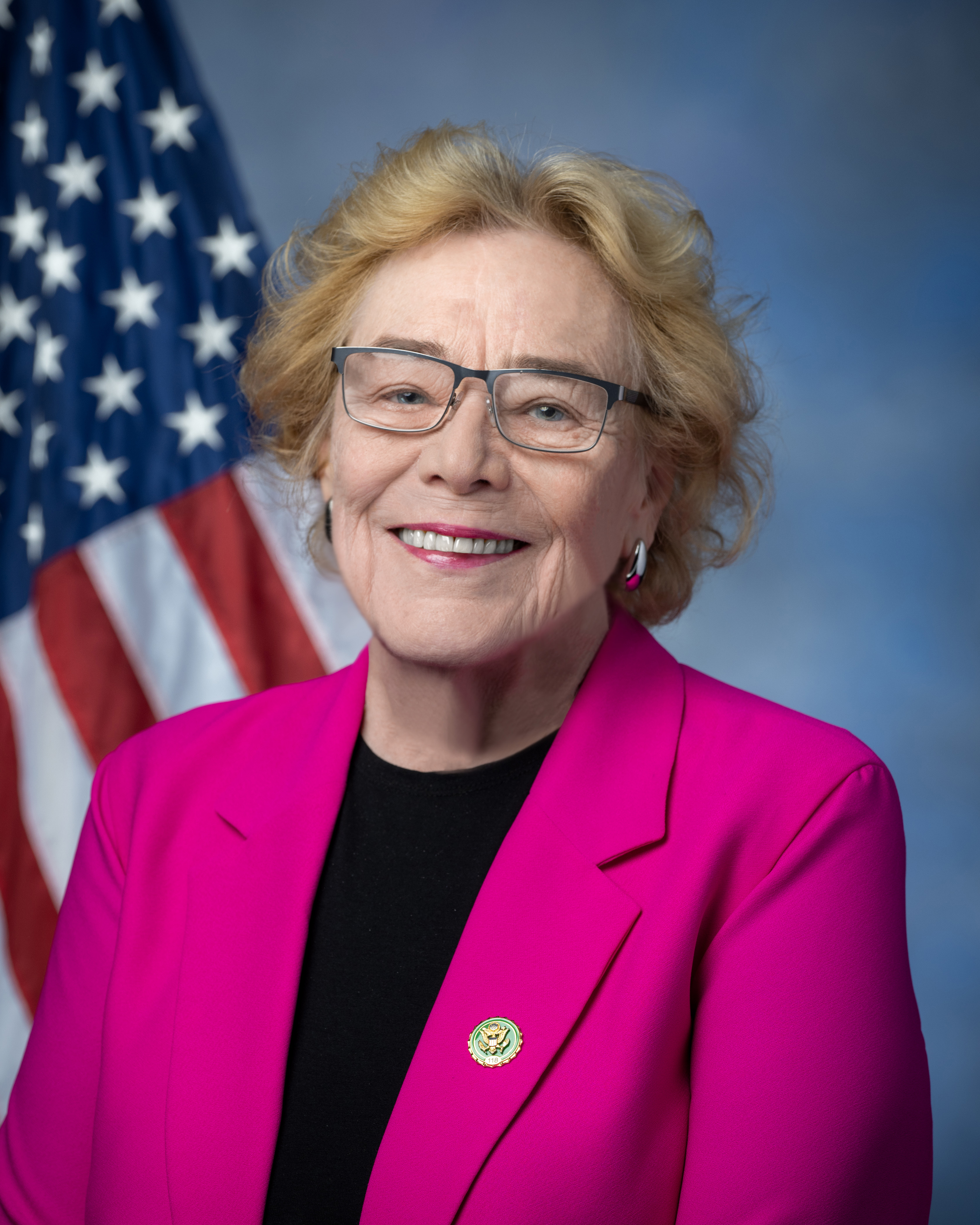
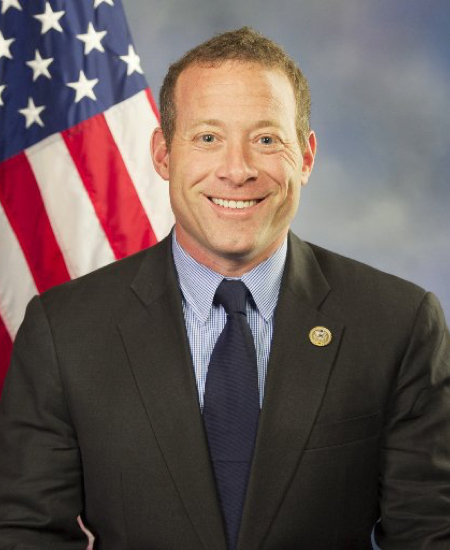
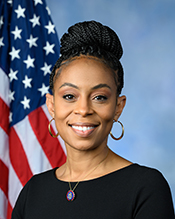
Image March 11, 2026 Opinion: Op-Ed For so many of us Black girls, Saturdays were spent in salon chairs, the heavy scent of relaxer in the air, the slow burn on our scalps, and the quiet understanding that pain was simply part of the process. It was just what we did. A rite of passage. A shared experience passed from one generation to the next in the name of beauty, professionalism and survival. But no one told us that those same products promising confidence, beauty, and status carried something else too: harmful chemicals with immediate and long-term impacts on our health. Take formaldehyde, for example, a known carcinogen commonly found in hair straightening products heavily marketed to Black women. With the substantial evidence we now have about formaldehyde, it is impossible not to see those Saturdays for what they really were: confirmation of a system that normalizes toxic exposure in the pursuit of palatability. The Food and Drug Administration (FDA) has known about the dangers of formaldehyde for well over a decade, even issuing warnings about exposure that include burning in the eyes, nose and throat, coughing, wheezing and nausea and linking long-term exposure to cancer. Yet there is still no federal rule banning it's use in hair products. This harm does not exist in a vacuum. Products heavily marketed to Black women have too often gone without the research needed to fully understand their long-term health risks. When the communities most exposed are the least studied, the burden falls on them. Black women should not be left to absorb the risks of an industry that failed to fully examine its own products. Our hair has always been tied to discrimination, respectability politics, and the pressure to conform to molds we were never supposed to fit in. That is why policies like the CROWN Act, which bans discrimination based on hair texture and protective styles, matter so deeply. Laws like this are not about appearances; they are about dignity and the right to exist without penalty. They are about protecting people from being punished for simply showing up as themselves. And yet, even as progress is made through civil rights protections, Black women are still being targeted by a beauty industry built on harm. The CROWN Act addresses discrimination, but it doesn’t protect us from dangerous products. For many, having straight hair is a personal choice and women deserve the right to make that choice safely. This is where the FDA can step in, by releasing the long-delayed proposed ban on formaldehyde in hair straightening products. The projected publication date has been delayed several times across multiple administrations. The most recent target date (December 2025) has passed without the rule being issued. Public health and environmental health organizations, along with salon workers, continue to wait for long-promised protections. That’s why I, Congresswoman Brown, am introducing a new bill called the “Healthy Hair Act,” alongside Congresswomen Ayanna Pressley (MA-7) and Nydia Velázquez (NY-12). The legislation sets a clear federal ban on formaldehyde in hair straightening products, moving us closer to eliminating longstanding regulatory gaps that have allowed this harm to persist for far too long. Salon workers are overwhelmingly women, and a significant share of the industry is made up of Black and brown women, many of whom are immigrants. Their exposure is not occasional or incidental. It is daily, occupational, and often exacerbated by poorly ventilated workspaces. This is a public health crisis in plain sight. As Black women, it’s hard not to think about the countless people in our communities who have used these products for decades, straightening their hair for job interviews, school pictures, weddings and church on Sunday morning. Women who believed they were simply taking care of themselves. All the while, harmful chemicals pose an imminent threat. While honoring the progress we have made toward inclusion, with the CROWN Act, it is time to continue moving forward, and that means turning off the faucet on toxic chemicals like formaldehyde from beauty products. Years of regulatory delay have taken a serious toll on public health protections. Safeguards have been weakened, rules postponed again and again, and oversight compromised in ways that favor industry over people. In 2026, the FDA stands at a decisive moment. Issuing a ban on formaldehyde would not merely regulate a hazardous chemical—it would begin to repair public trust and affirm that health, particularly the health of Black women and workers, is not expendable. Releasing the overdue proposed rule is critical to restoring trust, and any federal action must set a strong national standard that meaningfully protects workers and consumers, while preserving and strengthening states’ progress. States that have already acted and have been successful in addressing formaldehyde exposure should not be undermined by federal preemption. Those of us doing this work on the ground have been anticipating this rule for years. A comprehensive, non-preemptive ban would make one thing clear: no community’s health is disposable. About the co-authors: Congresswoman Shontel Brown has proudly represented Northeast Ohio in the House of Representatives since 2021. Congresswoman Brown serves on the Agriculture and Oversight Committees, as well as the House’s Select Committee focused on our competition with the Chinese Communist Party. On June 6, 2026, Congresswoman Brown will host her third annual OH-11 Housing Expo at Tri-C Corporate College East in Warrensville Heights. Jayla Burton, MPH, MS (She/Her), is the Director of Programs at Weaving Voices for Health & Justice, where she leads policy and advocacy initiatives to reduce environmental health disparities and advance equity for marginalized communities, including the organization's Beautiful Hair Without the Scare campaign. She holds dual master’s degrees in Public Health and Science from the University of San Francisco and a bachelor’s degree in Health Science from the University of Cincinnati. An experienced organizer, Jayla specializes in advocacy strategy, community-based research, and corporate accountability. Her work spans environmental and reproductive justice, cancer equity, harm reduction, and substance use recovery, driven by a commitment to systems change and health equity. Issues : Congress Health
c46136bd-76bd-4153-b30e-7af12c01c5bcIssued within 24 hours
Other senators' releases published in the day before or after this one.