HEARING RECAP: Owens Hearing on Apprenticeships in the Workforce
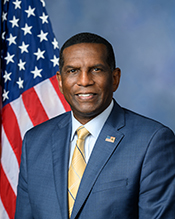
Resources / Press Share on HEARING RECAP: Owens Hearing on Apprenticeships in the Workforce Jun 24, 2026 Press WASHINGTON, D.C. — Today, the Subcommittee on Higher Education and Workforce Development Chairman Burgess Owens (R-UT) held a hearing on how apprenticeships are a proven way to help workers acquire new skills, help employers build talent pipelines, and ensure our workforce can adapt to the demands of a changing economy. In his opening statement, Chairman Owens stated that in our rapidly changing economy, we shouldn’t be relying on a one-size-fits-all pipeline to bring individuals into the workforce. “For too long, the conversation around career success has focused on a single pathway to work through a traditional four-year college education … Apprenticeships and work-based learning offer a different model. One that allows individuals to earn while they learn, gain hands-on experience, and build skills that employers actually need.” Chairman Owens began his questioning of the witnesses focusing on how students should evaluate college and apprenticeship pathways, the growing role of work-based learning, and the misconceptions that continue to prevent many young Americans from pursuing careers in the skilled trades. Chariman Owens first asked Ms. Angel if an 18-year-old came to her for advice on taking out a large student loan to pursue a traditional college degree, or enter an apprenticeship program and earn a paycheck from day one. Ms. Angel shared that she currently has an 18-year-old daughter at home and has had that conversation with her multiple times and has shared with her before questioning what degree she should get, she should first inentify her interests, strenghts, learning style and long-term career aspirations should begin by identifying their interests, strengths, learning styles, and long-term career aspirations before selecting a pathway. Ms. Angel: “Don’t choose college or trade because of prestige or what you think you know. Choose the best path that aligns with your interests, your strengths, your financial goals, your desired lifestyle.” She encouraged students to consider what kind of work they enjoy, how they learn best, labor market demand, and future growth opportunities. While noting that both college and apprenticeship programs can lead to rewarding careers, she cautioned that the greatest mistake is choosing a path without first understanding one’s goals. Chariman Owens then questioned Mr. Ross about whether work experience could increasingly serve as a source of academic credit. Mr. Ross described emerging “credit for work” models that convert paid, mentored work experiences into recognized academic progress while allowing learners to gain practical skills and workplace experience simultaneously. Mr. Ross: “Credit for work looks like converting paid, mentored work experience into recognized academic progress. That enables learners to get relevant on-the-job experience from day one… It’s important because it means that working adults don’t have to choose between the paycheck they need now and the degree or the credential that could get them ahead.” He explained that workplace learning allows students to apply classroom concepts in real-world settings, demonstrate competencies, and develop career-ready skills while earning a paycheck. Mr. Ross also noted that expanding these opportunities will require accrediting organizations to embrace alternative pathways that maintain academic rigor while recognizing workplace learning and job-relevant experience. Finally, Chairman Owens questioned Ms. Sherwood about the biggest misconceptions parents and students continue to hold regarding apprenticeship programs and careers in the skilled trades. Drawing on her experience as a former teacher and principal, Ms. Sherwoodard identified the belief that apprenticeships are only for students who cannot attend college as one of the most persistent misconceptions. Ms. Sherwood: “Perhaps the biggest is that apprenticeship is only for those who can’t get into college.” Reflecting on her own experience in education, Ms. Sherwood acknowledged that she once embraced a “college-for-all” mindset and did not fully appreciate the opportunities apprenticeship programs provide. She argued that apprenticeship pathways should be celebrated with the same enthusiasm often reserved for college admissions decisions. Ms. Sherwood: “When my third, who wants to go into apprenticeship, just makes that decision, I want to post that and have the exact same celebration and the number of likes that pop up.” Ms. Sherwood also challenged the notion that apprenticeships are limited to traditional skilled trades, highlighting the growing use of apprenticeship models in fields such as healthcare, information technology, and education. In addition, he rejected the idea that apprenticeships are a shortcut to success. Ms. Sherwood: “It’s hard work, it takes involvement, it takes investment, and it’s not a shortcut.” Througho
c8242c36-3aa2-450e-bbeb-9532dd129cb3Issued within 24 hours
Other senators' releases published in the day before or after this one.