Pappas Joins Bipartisan Letter Raising Concerns About Meta’s Use of Research Tax Credit for Data Centers
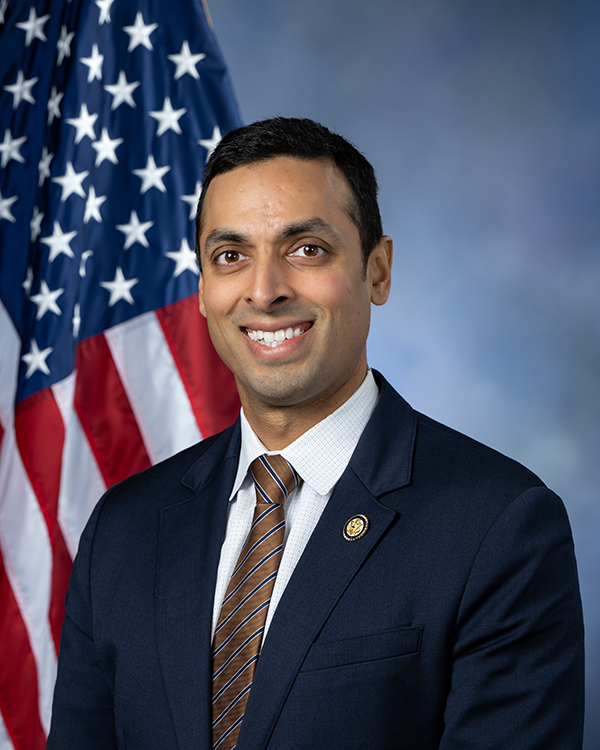
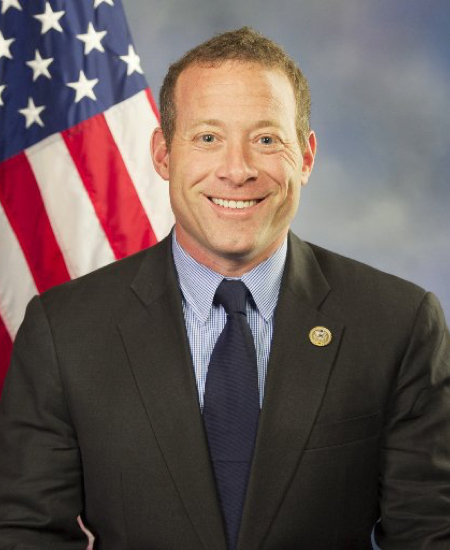
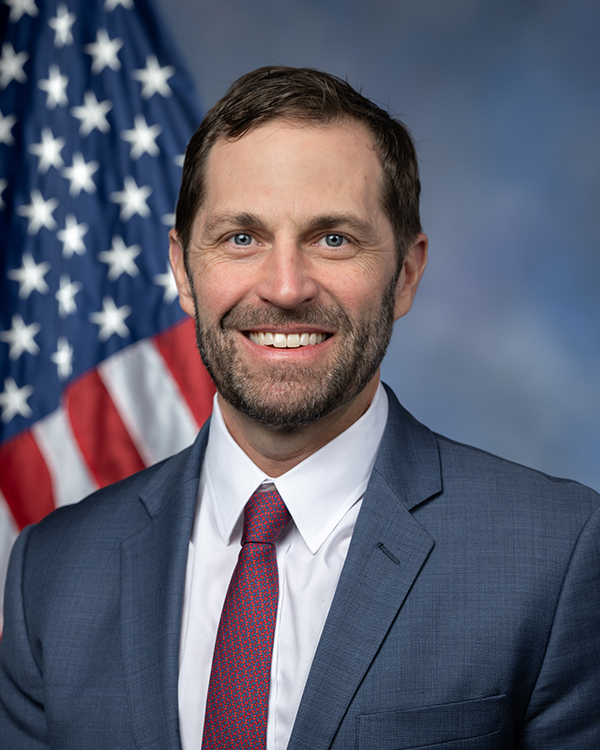
October 16, 2026 Press Release Congressman Chris Pappas (NH-01) joined a bipartisan letter to Treasury Secretary Scott Bessent expressing concerns about reports that Meta is seeking to use the federal research tax credit for its data center buildout. The bipartisan letter emphasized that any claims by Meta for the federal tax credit must meet the clearly defined requirements for qualified research and experimentation. Congress established the research tax credit in 1981 amid concerns about declining private-sector research investment and U.S. technological competitiveness. By reducing the cost of qualifying research, the credit is meant to encourage businesses to pursue projects involving technical uncertainty and experimentation, rather than simply purchasing and deploying proven technology. “We are concerned by Meta’s apparent position that expenditures associated with its massive data-center buildout qualify for the research credit,” wrote the lawmakers. “ The purchase and deployment of commercially available servers, networking equipment, electrical infrastructure, cooling equipment, and other proven technologies cannot be transformed into qualified research merely because they are installed at unprecedented scale or in new configurations.” To qualify for the credit, research must meet a four-part test, including being technological in nature, addressing technical uncertainty, seeking to develop or improve a product or process, and involving a process of experimentation. Certain activities, including research conducted after commercial production begins and duplication of an existing product or process, are excluded. The lawmakers emphasized that the scale or configuration of a data center does not, by itself, establish that its construction and equipment costs qualify. “Allowing ordinary data-center construction and deployment costs to qualify would significantly expand the research credit beyond its intended purpose and risk converting an incentive for technological experimentation into a subsidy for capital expenditures that companies would undertake in the ordinary course of business,” continued the lawmakers. “The research credit is an important tool for promoting American innovation. Protecting its integrity requires ensuring that it rewards genuine research and experimentation rather than subsidizing routine capital investment,” concluded the lawmakers. The full text of the letter is available here . Background: Pappas helped introduce the Reverse Big Ugly Tax Breaks for Data Centers Act , which would rein in tax giveaways for data center development that was included in the One Big Beautiful Bill Act (OBBBA) . Specifically, the bill would prohibit data centers from taking the 100% bonus depreciation tax deduction, and from being eligible for Opportunity Zone tax benefits. Pappas voted to pass the bipartisan Ratepayer Protection Act , which would protect American families from the costs of energy and grid upgrades required for new data centers by requiring state public utility commissions consider strategies to make data centers pay their own way, instead of passing costs onto consumers.
cc9e1a6f-d0a7-4011-85b3-438ca8e3c784Issued within 24 hours
Other senators' releases published in the day before or after this one.