Barrett Introduces Fifth Aviation Safety Bill in Response to 2025 Potomac River Crash
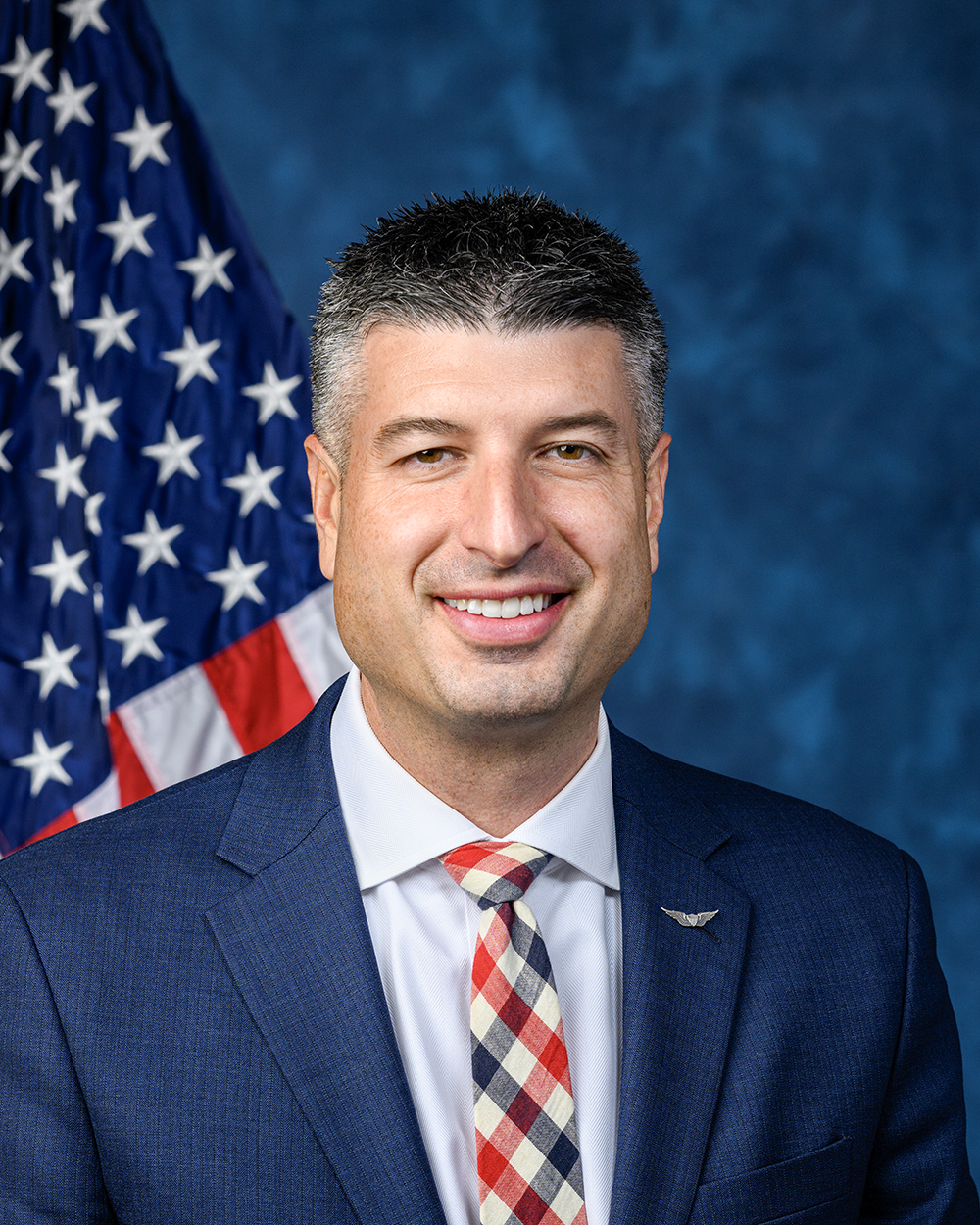
July 9, 2026 Press Release Bill Would Require Military To Upgrade Collision Avoidance System Washington, D.C. — Today, Congressman Tom Barrett (MI-07) introduced the Military Next-Gen Collision Avoidance Act ( H.R. 9620 ), legislation aimed at helping prevent tragedies like the January 2025 Potomac River crash between an Army helicopter and a commercial jet. Specifically, this bill would direct the United States Secretary of Defense to advance the deployment of the Airborne Collision Avoidance System–X (ACAS-X) — the next generation of anti-crash technology — in military aircraft. “After the Potomac River tragedy, it became clear we must identify shortcomings in how military aircraft operate alongside civilian flights and take real steps to fix them,” said Barrett. “This bill helps accelerate the deployment of the next generation of collision avoidance technology across our military fleet so our pilots have the best tools available to prevent midair collisions. We owe it to the 67 people who lost their lives — and to every service member and air traveler — to keep strengthening our aviation safety systems so tragedies like this never happen again.” The Military Next-Gen Collision Avoidance Act builds on Barrett’s first four bills in response to the Potomac River Crash: The Military Helicopter Training Safety Act was signed into law in December 2025 and began the process of equipping military helicopters with traffic collision avoidance systems, as well as the ADS-B In system, which received data from ADS-B Out systems on other aircraft. The Safety in Shared Skies Act would require the Automatic Dependent Surveillance-Broadcast (ADS-B) Out system in every military aircraft to be tested and serviced every 90 days. The Military ADS-B Out Loophole Act would prevent military helicopter pilots from turning off ADS-B Out transmissions during non-sensitive portions of flight missions. The Next-Gen Collision Avoidance Act would require the Federal Aviation Administration to advance the deployment of the ACAS-X in civilian and military aircraft. Click here to read the full bill text.
cef5202a-7b62-4360-a3a2-72cdc1325d0eEdit history (1 prior version)
This release was edited after publication. Earlier captures are preserved below.
- Captured Jul 15, 2026, 5:33 PM EDT
Show prior body text
July 14, 2026 Press Release Bill Would Require Military To Upgrade Collision Avoidance System Washington, D.C. — Today, Congressman Tom Barrett (MI-07) introduced the Military Next-Gen Collision Avoidance Act ( H.R. 9620 ), legislation aimed at helping prevent tragedies like the January 2025 Potomac River crash between an Army helicopter and a commercial jet. Specifically, this bill would direct the United States Secretary of Defense to advance the deployment of the Airborne Collision Avoidance System–X (ACAS-X) — the next generation of anti-crash technology — in military aircraft. “After the Potomac River tragedy, it became clear we must identify shortcomings in how military aircraft operate alongside civilian flights and take real steps to fix them,” said Barrett. “This bill helps accelerate the deployment of the next generation of collision avoidance technology across our military fleet so our pilots have the best tools available to prevent midair collisions. We owe it to the 67 people who lost their lives — and to every service member and air traveler — to keep strengthening our aviation safety systems so tragedies like this never happen again.” The Military Next-Gen Collision Avoidance Act builds on Barrett’s first four bills in response to the Potomac River Crash: The Military Helicopter Training Safety Act was signed into law in December 2025 and began the process of equipping military helicopters with traffic collision avoidance systems, as well as the ADS-B In system, which received data from ADS-B Out systems on other aircraft. The Safety in Shared Skies Act would require the Automatic Dependent Surveillance-Broadcast (ADS-B) Out system in every military aircraft to be tested and serviced every 90 days. The Military ADS-B Out Loophole Act would prevent military helicopter pilots from turning off ADS-B Out transmissions during non-sensitive portions of flight missions. The Next-Gen Collision Avoidance Act would require the Federal Aviation Administration to advance the deployment of the ACAS-X in civilian and military aircraft. Click here to read the full bill text.
Issued within 24 hours
Other senators' releases published in the day before or after this one.