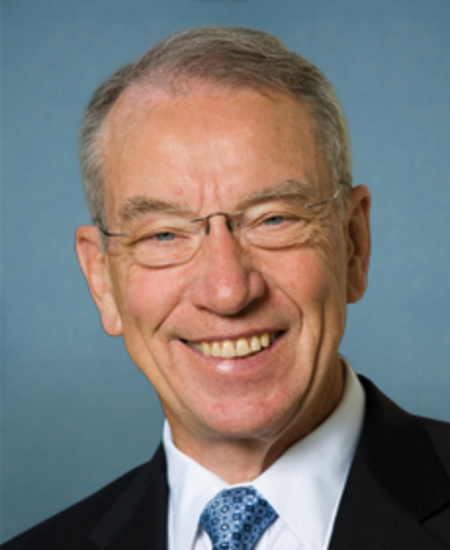
Q&A: $85 Billion and Counting
Q: What is the federal government’s #1 tool to fight fraud?
A:More than a century after President Lincoln first signed theFalse Claims Actinto law, I never could have predicted how effective the Civil War-era amendments I updated in 1986 would become on behalf of the American taxpayer. The so-calledLincoln’s Lawwas enacted in 1863 to combat unscrupulous government contractors from defrauding the Union Army. Fraudsters were selling shoddy supplies to make a fast buck, outfitting the Union troops with substandard uniforms, mixing sawdust with gunpowder and even selling blind horses to the Union cavalry. The anti-fraud tool enabled whistleblowers to file lawsuits and share in the recoveries. My amendments resurrected the legal principle known asqui tam– part of a Latin phrase that roughly translates to “in the name of the king” – that gives citizens the authority to bring lawsuits on behalf of the government. In the four decades since the 19thcentury law was updated, the U.S. Department of Justice (DOJ) credits the Grassley amendments with the recovery of more than $85 billion to the U.S. Treasury. That’s really just the tip of the iceberg. Myqui tamamendments have saved untold billions of taxpayer dollars from being lost to fraud in the first place by deterring would be fraudsters.
In fact, the DOJ recently announced arecord-breaking yearin the history of theFalse Claims Act.During the fiscal year ending Sept. 30, 2025, settlements and judgments exceeded $6.8 billion and whistleblowers filed 1,297qui tamlawsuits, the highest number in a single year. I applaud the Trump administration for maximizing this tool to protect taxpayer dollars, hold wrongdoers accountable and uphold the integrity of programs and services administered by the government.
Unfortunately, fleecing Uncle Sam’s coffers is a tale as old as the republic. My bipartisan amendments put wrongdoers on notice that fraud is no longer the cost of doing business thanks to the eyes and ears of whistleblowers. That’s because whistleblowers are empowered to report the intentional misuse of taxpayer dollars across the federal government, from health care and defense spending to emergency relief programs, such as disaster assistance and pandemic payments. When aqui tamcase is successful, the whistleblower may receive up to 30 percent of the recovery. Over the years, whistleblowers have exposed kickbacks, price fixing, double billing and unlawful prescriptions. In recent years, health care fraud recoveries have rung up the largest tabs. Of the more than $6.8 billion recouped during the most recent fiscal year, more than $5.7 billion involved the health care industry. Considering that health care costs rank among the biggest concerns I hear about from Iowans, these recoveries tell me America is facing a mountain of fraud in our health care sector, not a molehill. I’ll continuefighting misguided efforts to water down theFalse Claims Actandchampioning whistleblower protectionsto prevent retaliation from those who stick out their necks to report fraud. Most recently, one of my oversight investigationsexposed how an insurer appeared to game Medicare Advantageto siphon off taxpayer money and undermine the integrity of the program on which millions of seniors depend.
Q: How else are you working to tackle government fraud?
A:As a government watchdog, I understand the outrage American taxpayers are feeling about allegations of massive fraud of government programs in Minnesota and other states. While honest hardworking families are struggling to buy groceries and pay for child care, reports of bad actors looting federal programs for children are abhorrent. Every dollar lost to fraud is despicable; these alleged crimes are particularly egregious for bilking programs andsafety netsfor small businesses and families struggling to care for their kids and elderly family members. As chairman of the Senate Judiciary Committee,I’ve called on federal agenciesto answer questions about extensive fraud and suspicious financial transactions reported in Minnesota and elsewhere, including the Small Business Administration, the Departments of Treasury, Health and Human Services, Education, Agriculture, Homeland Security and the Transportation Security Administration. Specific programs targeted by fraudsters include Medicaid, Paycheck Protection Program (PPP) loans, the Supplemental Nutrition Assistance Program (SNAP) and theFederal Student Aid (FAFSA)program. These are bread-and-butter programs funded by the taxpayer to serve the American people, not to be a cash cow for criminals.
I joined the entire Senate Republican Conference to demand accountability for American taxpayers fromMinnesota Gov. Tim Walzand my Judiciary Committee will continue a full-scale investigation into the large-scale fraud in Minnesota’s social services programs and other states. I’m glad the Trump administration announced plans toadd a new Assistant Attorney Generalfocused on waste, fraud and abuse. I look forward to leading the nominee’s confirmation process in the Senate Judiciary Committee.
cf2252d3-3830-4eb5-a5e2-fc7dc6f78da5Issued within 24 hours
Other senators' releases published in the day before or after this one.