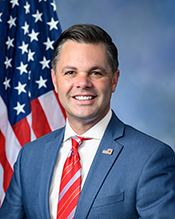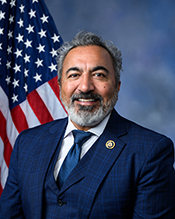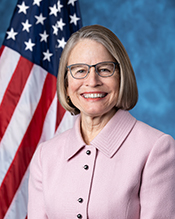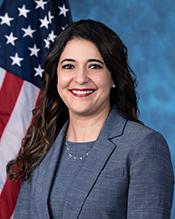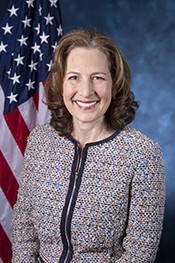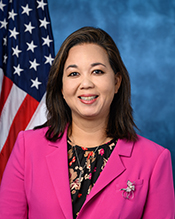
Rep. Tokuda Introduces Bipartisan REH 2.0 to Strengthen Rural Hospitals
Skip to content Close Home About Biography Our District Votes And Legislation Committees & Caucuses Bipartisan Rural Health Caucus Bipartisan Congressional Coffee Caucus Services Help With A Federal Agency Tours And Tickets Internships Flags Art Competition Commendations and Greetings Military Service Academy Nominations FAQs Request A Military Service Academy Nomination Funding Requests Grant Applications Events Know Your Rights Media Op-Eds Press Releases In The News Videos Contact Email Me Scheduling Request Newsletter Subscribe Office Locations Website Problem Close SEARCH Congresswoman Jill Tokuda About Biography Our District Votes And Legislation Committees & Caucuses Bipartisan Rural Health Caucus Bipartisan Congressional Coffee Caucus Services Help With A Federal Agency Tours And Tickets Internships Flags Art Competition Commendations and Greetings Military Service Academy Nominations FAQs Request A Military Service Academy Nomination Funding Requests Grant Applications Events Know Your Rights Media Op-Eds Press Releases In The News Videos Contact Email Me Scheduling Request Newsletter Subscribe Office Locations Website Problem Modal Search Button Mobile Site Search Submit Search MENU Facebook Logo Twitter Logo BlueSky Logo Youtube Logo Instagram Logo Home Media Press Releases September 03, 2026 Rep. Tokuda Introduces Bipartisan REH 2.0 to Strengthen Rural Hospitals Washington, D.C. — Today, U.S. Representative Jill N. Tokuda (HI-02), alongside Representatives Tracey Mann (KS-01), Sharice Davids (KS-03), Jack Bergman (MI-01), Don Davis (NC-01), and Carol Miller (R-WV) introduced the Rural Emergency Hospital Designation Improvement Act (REH 2.0). Congress created the Rural Emergency Hospital (REH) designation in 2020 as a lifeline for struggling rural hospitals at risk of closure, providing enhanced Medicare reimbursement for certain emergency and outpatient services and a monthly facility payment in exchange for transitioning away from traditional inpatient care. But the program has fallen short of its promise. Despite more than 1,500 eligible hospitals, only about 40 have converted. Hospitals have cited the loss of inpatient and other essential services, 340B drug discounts, costly facility requirements, and restrictive eligibility rules as barriers, leaving many rural communities without a viable path to preserving local access to care. REH 2.0 seeks to strengthen the REH model by allowing these hospitals to maintain distinct inpatient psychiatric and obstetric units, providing dedicated funding for laboratory services, and clarifying state Medicaid payment flexibilities. “Too many rural hospitals are on the brink of closure, forcing them to make impossible choices about which essential services they can afford to keep. Rural America already struggles with access to healthcare, and I’ve seen firsthand how difficult that reality is for hospitals in Hawai’i, where the cost of delivering care is often significantly higher," said Rep. Tokuda. “That’s why I’m proud to introduce this bipartisan bill to strengthen the vital REH model, giving rural hospitals the flexibility and financial stability they need to keep their doors open and maintain critical services." "The National Rural Health Association (NRHA) is grateful to Representatives Tokuda, Mann, Davids, Bergman, Davis, and Miller for leading the introduction of the Rural Emergency Hospital (REH) Improvement Act , which will allow more critical access hospitals (CAHs) and rural hospitals at risk of closure to sustain health care services in rural communities. REH designations play a critical role in preserving needed access to care by allowing financially strained rural facilities to convert their licenses to maintain 24/7 emergency and outpatient services instead of shutting down completely. We are ecstatic to see legislation that continues to support rural hospital viability and sustain rural healthcare access,” said Alan Morgan, CEO, NRHA . The Rural Emergency Hospital Designation Improvement Act would: Allow hospitals that closed or downsized between 2015 and 2020 to apply for “REH” status and give federal health officials flexibility to approve similar rural facilities. Allow REHs to maintain or establish inpatient psychiatric, obstetric, and rehabilitation services. Expand access to swing beds and skilled nursing care. Make REHs eligible for federal workforce and rural hospital improvement programs. Increase Medicare payments for laboratory services by 5% and clarify Medicaid payment for REH services. Permit certain REHs to return to “Critical Access Hospital” status if the model no longer meets their community’s needs. Senators Jerry Moran (R-Kan.) and Tina Smith (D-Minn.) have introduced companion legislation in the Senate. The full bill text is available here . ### Print Email Share Tweet Previous Article About Services Media Contact Privacy Policy Facebook Logo Twitter Logo BlueSky Logo Youtube Logo Instagram Logo
d156a60f-9613-4e2e-9e28-0be3741d037aIssued within 24 hours
Other senators' releases published in the day before or after this one.