Dingell, Colleagues Seek Answers on USDA Cancellation of Cyclospora Research
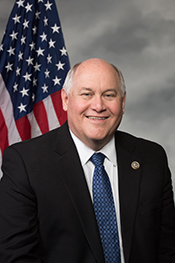
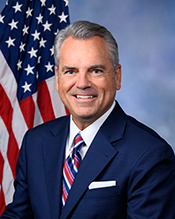
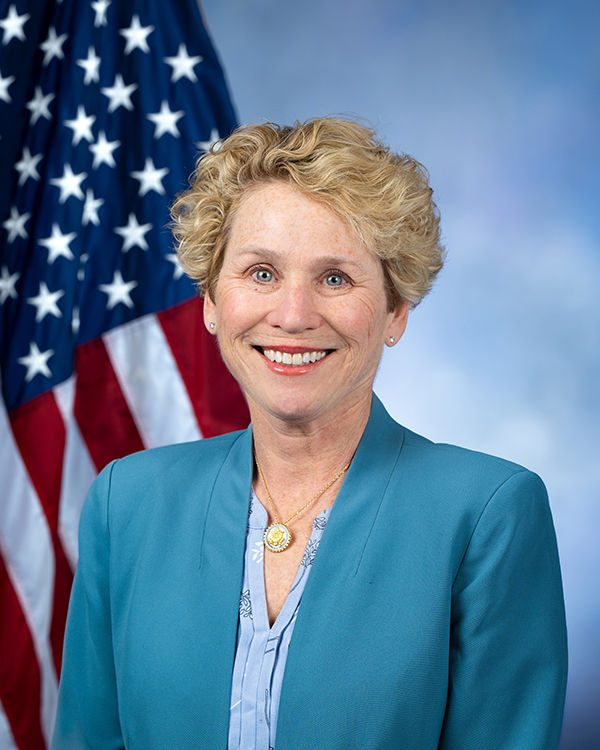
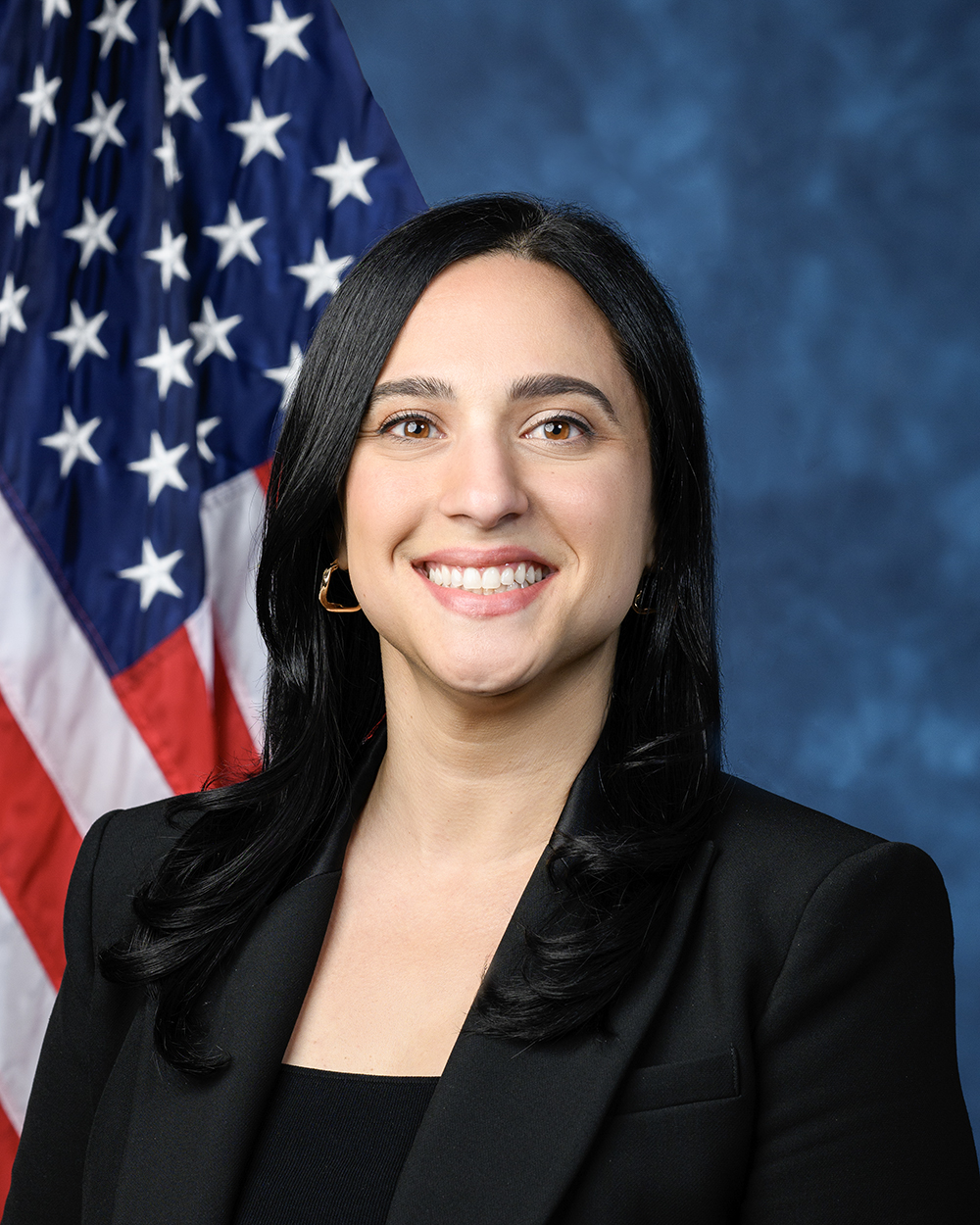
U.S. Representative Debbie Dingell (D-MI-06) and nine of her House Democratic colleagues are seeking answers from the U.S. Department of Agriculture (USDA) following the unauthorized reorganization of its staff and research projects. This reorganization has put two research projects on cyclospora—the bacterium that caused the largest foodborne illness outbreak in United States history, with most of the cases occurring in Michigan–on hold. In a letter to the USDA Secretary, the lawmakers are calling on the USDA to reinvest in this research. “Research projects like those focused on cyclospora play an important role in helping researchers, investigators, and public health officials understand the nature of an outbreak and build a strategy to prevent the next potential outbreak. Researchers who worked on the cancelled cyclospora projects have reported that they are unable to continue any research beyond preserving samples they received from previous outbreaks, and that they are having to turn down requests for assistance from other federal agencies investigating the outbreak,” said the lawmakers. In addition to Congresswoman Dingell, the letter was signed by U.S. Representatives Marc Veasey (D-TX-33), Andrea Salinas (D-OR-06), Haley Stevens (D-MI-11), Rashida Tlaib (D-MI-12), Jasmine Crockett (D-TX-30), Raja Krishnamoorthi (D-IL-08), Don Beyer (D-VA-08), Nanette Barragán (D-CA-44), and Yvette Clark (D-NY-09). A copy of the letter can be found HERE and text is below: This letter is regarding reports that two of three cyclospora-related research projects conducted by the United States Department of Agriculture’s (USDA) Agricultural Research Service (ARS) have been shelved on the heels of an unprecedented outbreak of cyclosporiasis — the gastrointestinal illness associated with the cyclospora parasite — across 48 states and Washington D.C. The third research project, though not halted, is moving from the Beltsville Agricultural Research Center (BARC) in Maryland to Iowa as part of USDA’s reorganization plan. Given that scientists working on this project are not expected to relocate, it is likely this research will not be conducted. While Americans are increasingly worried about the safety of our food supply and the ability of federal agencies to respond to outbreaks of foodborne illness like cyclosporiasis, it is especially concerning that USDA would rollback critical food safety research. This summer’s outbreak of cyclosporiasis is the largest recorded outbreak of foodborne illness in United States history, with the Centers for Disease Control and Prevention (CDC) reporting over 18,000 confirmed cases, over 14,000 of which were in Michigan. There are nearly 12,000 additional non-laboratory confirmed cases, and potentially thousands more from people who did not seek medical care or testing. Research projects like those focused on cyclospora play an important role in helping researchers, investigators, and public health officials understand the nature of an outbreak and build a strategy to prevent the next potential outbreak. Researchers who worked on the cancelled cyclospora projects have reported that they are unable to continue any research beyond preserving samples they received from previous outbreaks, and that they are having to turn down requests for assistance from other federal agencies investigating the outbreak. This will likely have a similar effect on private institutions who wish to carry out cyclospora research, since they also rely on samples from ARS. Despite these reported disruptions, USDA has claimed that these labs will be uninterrupted, and that the ARS is “working with research leaders to ensure an orderly transition of programs.” USDA has directed the blame to Congress, who voted to defund the ARS projects as part of a 2026 Continuing Resolution, enacted on November 12, 2025 However, the Department began planning for a significant workforce reduction and agency restructuring as early as April 2025, according to a document submitted to the Office of Management and Budget and the Office of Personnel Management. Notably, the November 2025 Continuing Resolution included language prohibiting the use of USDA funds for the Department’s reorganization plan without congressional approval, which they appear to be circumventing by proceeding with their plan to reduce the workforce and relocate staff and subcomponent agencies. This includes a 43 percent staffing cut for the ARS, which oversees scientific research like the three cyclospora projects at issue. The Trump Administration has claimed that research facilities like BARC are too expensive, without regard for the potential cost of stopping this research altogether. According to CDC, there have been 922 cyclosporiasis hospitalizations. While we do not yet know the total cost to the health system of this outbreak, USDA’s Cost Estimates of Foodborne Illness data estimate that, in 2023, the cost of foodborne illness in the United States was $74.7 billion. These costs — compounded by drastic cuts to Medicaid, expired ACA tax credits, and dismantled public health programs — make it clear that we must invest in research to prevent foodborne illness outbreaks. As we continue to grapple with additional cases of foodborne illnesses in our food supply, the American people should be able to have confidence that the Trump Administration is working to investigate those cases and prevent future outbreaks. Therefore, we respectfully request that you respond to the questions below within two weeks of receipt of this letter. For what reason did the Department choose not to seek congressional authorization for their reorganization plan? Do you plan to seek such authorization at any point or do you plan to proceed in direct violation of the law? How many staff at ARS have been let go, left for another position or project, or retired? a. What specific research was impacted by these departures? How does USDA plan to ensure an “orderly transition of programs” throughout their reorganization process, despite their own acknowledgement that their relocation plans will result in significant staff attrition? In terms of staff who have been ordered to relocate, how many are expected to vacate their positions instead of relocating? What plans are in place to fill any vacancies that occur as a result of these staff departures? What is the USDA’s plan for the relocation of research materials that are a part of the ongoing cyclospora research project at BARC? Specifically: a. How does USDA plan to transport samples from BARC to the new location in Iowa? b. How will USDA account for the potential impact of environmental factors on the integrity of the research conducted in the new lab location? c. When can ARS researchers who are relocating to the new location expect their research equipment to reach them? Thank you for your prompt attention to this matter and for providing a detailed response to these questions. At a time when Americans are counting on the federal government to protect the safety of their food supply, it is critical that USDA maintain the scientific capacity necessary to investigate outbreaks, support public health officials, and prevent future illnesses. For what reason did the Department choose not to seek congressional authorization for their reorganization plan? Do you plan to seek such authorization at any point or do you plan to proceed in direct violation of the law? How many staff at ARS have been let go, left for another position or project, or retired? What specific research was impacted by these departures? How does USDA plan to ensure an “orderly transition of programs” throughout their reorganization process, despite their own acknowledgement that their relocation plans will result in significant staff attrition? In terms of staff who have been ordered to relocate, how many are expected to vacate their positions instead of relocating? What plans are in place to fill any vacancies that occur as a result of these staff departures? What is the USDA’s plan for the relocation of research materials that are a part of the ongoing cyclospora research project at BARC? Specifically: How does USDA plan to transport samples from BARC to the new location in Iowa? How will USDA account for the potential impact of environmental factors on the integrity of the research conducted in the new lab location? When can ARS researchers who are relocating to the new location expect their research equipment to reach them? For what reason did the Department choose not to seek congressional authorization for their reorganization plan? Do you plan to seek such authorization at any point or do you plan to proceed in direct violation of the law? How many staff at ARS have been let go, left for another position or project, or retired? What specific research was impacted by these departures? How does USDA plan to ensure an “orderly transition of programs” throughout their reorganization process, despite their own acknowledgement that their relocation plans will result in significant staff attrition? In terms of staff who have been ordered to relocate, how many are expected to vacate their positions instead of relocating? What plans are in place to fill any vacancies that occur as a result of these staff departures? What is the USDA’s plan for the relocation of research materials that are a part of the ongoing cyclospora research project at BARC? Specifically: How does USDA plan to transport samples from BARC to the new location in Iowa? How will USDA account for the potential impact of environmental factors on the integrity of the research conducted in the new lab location? When can ARS researchers who are relocating to the new location expect their research equipment to reach them? For what reason did the Department choose not to seek congressional authorization for their reorganization plan? Do you plan to seek such authorization at any point or do you plan to proceed in direct violation of the law? How many staff at ARS have been let go, left for another position or project, or retired? What specific research was impacted by these departures? How does USDA plan to ensure an “orderly transition of programs” throughout their reorganization process, despite their own acknowledgement that their relocation plans will result in significant staff attrition? In terms of staff who have been ordered to relocate, how many are expected to vacate their positions instead of relocating? What plans are in place to fill any vacancies that occur as a result of these staff departures? What is the USDA’s plan for the relocation of research materials that are a part of the ongoing cyclospora research project at BARC? Specifically: How does USDA plan to transport samples from BARC to the new location in Iowa? How will USDA account for the potential impact of environmental factors on the integrity of the research conducted in the new lab location? When can ARS researchers who are relocating to the new location expect their research equipment to reach them? For what reason did the Department choose not to seek congressional authorization for their reorganization plan? Do you plan to seek such authorization at any point or do you plan to proceed in direct violation of the law? How many staff at ARS have been let go, left for another position or project, or retired? What specific research was impacted by these departures? How does USDA plan to ensure an “orderly transition of programs” throughout their reorganization process, despite their own acknowledgement that their relocation plans will result in significant staff attrition? In terms of staff who have been ordered to relocate, how many are expected to vacate their positions instead of relocating? What plans are in place to fill any vacancies that occur as a result of these staff departures? What is the USDA’s plan for the relocation of research materials that are a part of the ongoing cyclospora research project at BARC? Specifically: How does USDA plan to transport samples from BARC to the new location in Iowa? How will USDA account for the potential impact of environmental factors on the integrity of the research conducted in the new lab location? When can ARS researchers who are relocating to the new location expect their research equipment to reach them? For what reason did the Department choose not to seek congressional authorization for their reorganization plan? Do you plan to seek such authorization at any point or do you plan to proceed in direct violation of the law? For what reason did the Department choose not to seek congressional authorization for their reorganization plan? Do you plan to seek such authorization at any point or do you plan to proceed in direct violation of the law?
d8459cbd-24be-491c-be6a-2b933578ca84Issued within 24 hours
Other senators' releases published in the day before or after this one.