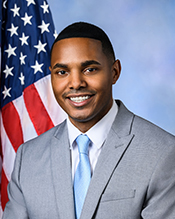
Rep. Ritchie Torres Urges DOJ to Reverse Opinion Threatening the Right to Community Living for People with Disabilities
Resources / In the News Share on Rep. Ritchie Torres Urges DOJ to Reverse Opinion Threatening the Right to Community Living for People with Disabilities Jun 26, 2026 In the News WASHINGTON, D.C. – This morning, Congressman Ritchie Torres (NY-15) wrote to Acting Attorney General Todd Blanche urging the Department of Justice to reconsider a recent Office of Legal Counsel memorandum concluding that Section 504 of the Rehabilitation Act and Title II of the Americans with Disabilities Act do not require states to serve people with disabilities in the most integrated setting appropriate to their needs. New York’s 15th Congressional District is home to one of the largest populations of Medicaid enrollees of any congressional district in the nation. For many residents of the South Bronx, access to integrated, community-based care is the difference between living at home and facing unnecessary institutionalization. The OLC memo, issued June 18, 2026, breaks with decades of settled federal disability law. In Olmstead v. L.C. , the Supreme Court held that the unjustified institutional isolation of people with disabilities constitutes discrimination under Title II of the ADA. The memo declares the longstanding regulations implementing the integration mandate unlawful and, by its own admission, takes a position that is out of step with the common understanding of that decision within the federal courts. It also calls for the rescission of regulations and guidance that have protected community-based care for decades. The timing compounds the risk. As states confront historic federal Medicaid cuts projected to reduce federal Medicaid spending by $911 billion over ten years, the memo risks being read as permission to cut home- and community-based services and push people with disabilities out of their communities and into institutions. Rep. Torres is calling on the Department to reconsider the opinion and provide a written response describing how it will ensure that the integration mandate remains in force and that people with disabilities can continue to receive care where they belong: at home, in their communities. The full letter reads: “I write to express grave concern about the recent Office of Legal Counsel memorandum concluding that Section 504 of the Rehabilitation Act and Title II of the Americans with Disabilities Act do not require states to provide services to people with disabilities in the most integrated setting appropriate to their needs, and I urge the Department to reconsider it. “I represent New York’s 15th Congressional District in the South Bronx, which is home to one of the largest populations of Medicaid enrollees of any congressional district in the nation.2 For many of the people I serve, access to integrated, community-based care can mean the difference between living at home, among family and friends they love, and risking unnecessary institutionalization. “For nearly fifty years under Section 504, and for more than three decades under Title II of the ADA, the United States has read federal disability law to require that people with disabilities be served in the most integrated setting appropriate to their needs. In Olmstead v. L.C., which marked its 27th anniversary this week, the Supreme Court held that the unjustified institutional isolation of people with disabilities is a form of discrimination prohibited under Title II. The memorandum breaks with that settled understanding. It declares the longstanding regulations implementing the integration mandate unlawful, and it concedes on its own terms that its view is “out of step with the common understanding of that decision within the federal courts.” “A memorandum cannot change the law, but it can do real harm. It signals that the federal government may stop enforcing the integration mandate and calls for the rescission of the regulations and guidance that have protected community-based care for decades. As states confront historic federal Medicaid cuts, this risks being read as permission to reduce home- and community-based services and increase the risk of unnecessary institutionalization. Advocates warn the consequences could be severe, and decades of research show that access to high-quality home- and community-based services can improve outcomes and reduce costs. “This memorandum threatens to turn back the clock on decades of hard-won progress. The federal government should protect the right of people with disabilities to receive services in the most integrated setting appropriate to their needs, not reopen a door we rightly closed. I respectfully urge the Department to reconsider this opinion, and I request a written response describing how it will ensure that people with disabilities are not pushed out of their communities and into institutions.” ### Share on
dea44d26-ec14-4d09-ac1f-6d74c8a34da9Edit history (1 prior version)
This release was edited after publication. Earlier captures are preserved below.
- Captured Jun 26, 2026, 9:46 PM EDT
Show prior body text
Resources / In the News Share on Rep. Ritchie Torres Urges DOJ to Reverse Opinion Threatening the Right to Community Living for People with Disabilities Jun 26, 2026 In the News WASHINGTON, D.C. – This morning, Congressman Ritchie Torres (NY-15) wrote to Acting Attorney General Todd Blanche urging the Department of Justice to reconsider a recent Office of Legal Counsel memorandum concluding that Section 504 of the Rehabilitation Act and Title II of the Americans with Disabilities Act do not require states to serve people with disabilities in the most integrated setting appropriate to their needs. New York’s 15th Congressional District is home to one of the largest populations of Medicaid enrollees of any congressional district in the nation. For many residents of the South Bronx, access to integrated, community-based care is the difference between living at home and facing unnecessary institutionalization. The OLC memo, issued June 18, 2026, breaks with decades of settled federal disability law. In Olmstead v. L.C. , the Supreme Court held that the unjustified institutional isolation of people with disabilities constitutes discrimination under Title II of the ADA. The memo declares the longstanding regulations implementing the integration mandate unlawful and, by its own admission, takes a position that is out of step with the common understanding of that decision within the federal courts. It also calls for the rescission of regulations and guidance that have protected community-based care for decades. The timing compounds the risk. As states confront historic federal Medicaid cuts projected to reduce federal Medicaid spending by $911 billion over ten years, the memo risks being read as permission to cut home- and community-based services and push people with disabilities out of their communities and into institutions. Rep. Torres is calling on the Department to reconsider the opinion and provide a written response describing how it will ensure that the integration mandate remains in force and that people with disabilities can continue to receive care where they belong: at home, in their communities. The full letter reads (PDF attached): “I write to express grave concern about the recent Office of Legal Counsel memorandum concluding that Section 504 of the Rehabilitation Act and Title II of the Americans with Disabilities Act do not require states to provide services to people with disabilities in the most integrated setting appropriate to their needs, and I urge the Department to reconsider it. “I represent New York’s 15th Congressional District in the South Bronx, which is home to one of the largest populations of Medicaid enrollees of any congressional district in the nation.2 For many of the people I serve, access to integrated, community-based care can mean the difference between living at home, among family and friends they love, and risking unnecessary institutionalization. “For nearly fifty years under Section 504, and for more than three decades under Title II of the ADA, the United States has read federal disability law to require that people with disabilities be served in the most integrated setting appropriate to their needs. In Olmstead v. L.C., which marked its 27th anniversary this week, the Supreme Court held that the unjustified institutional isolation of people with disabilities is a form of discrimination prohibited under Title II. The memorandum breaks with that settled understanding. It declares the longstanding regulations implementing the integration mandate unlawful, and it concedes on its own terms that its view is “out of step with the common understanding of that decision within the federal courts.” “A memorandum cannot change the law, but it can do real harm. It signals that the federal government may stop enforcing the integration mandate and calls for the rescission of the regulations and guidance that have protected community-based care for decades. As states confront historic federal Medicaid cuts, this risks being read as permission to reduce home- and community-based services and increase the risk of unnecessary institutionalization. Advocates warn the consequences could be severe, and decades of research show that access to high-quality home- and community-based services can improve outcomes and reduce costs. “This memorandum threatens to turn back the clock on decades of hard-won progress. The federal government should protect the right of people with disabilities to receive services in the most integrated setting appropriate to their needs, not reopen a door we rightly closed. I respectfully urge the Department to reconsider this opinion, and I request a written response describing how it will ensure that people with disabilities are not pushed out of their communities and into institutions.” ### Share on
Issued within 24 hours
Other senators' releases published in the day before or after this one.