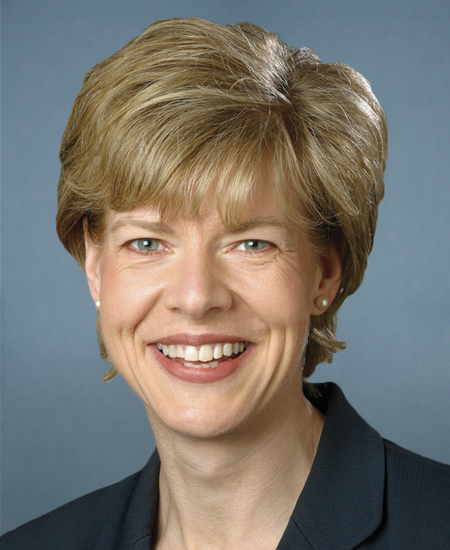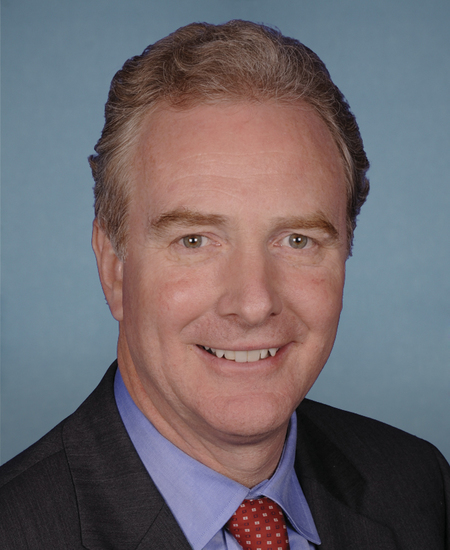
Van Hollen, Warren, Reed Call On Fed Watchdog To Investigate Vice Chair Bowman’s Private Wall Street Dinner During Fed’s Blackout Period
Today, U.S. Senators Chris Van Hollen (D-Md.), Elizabeth Warren (D-Mass.), Ranking Member of the Senate Banking, Housing, and Urban Affairs Committee, and Jack Reed (D-R.I.) sent a letter to Michael Horowitz, the Inspector General at the Board of Governors of the Federal Reserve System, calling for an investigation into Federal Reserve Vice Chair for Supervision Michelle Bowman’s recent decision to speak and answer questions at a closed-door dinner on Wall Street during the Federal Open Market Committee’s (FOMC) “blackout period.” According to recent reporting from the Wall Street Journal, Vice Chair Bowman attended an “invitation-only, private dinner that Bank of America hosted for clients” immediately following the FOMC’s first monetary policy meeting led by the newly confirmed Chair, Kevin Warsh, and while the blackout period was in effect. “During the blackout period, FOMC officials are required to ‘refrain from expressing their views about macroeconomic developments or monetary policy issues,’ including in ‘any meeting or conversation with any individual, firm, or organization who could profit financially from acquiring that information,’” wrote the Banking Committee members. “Bowman has maintained that she did not share her views on monetary policy at the dinner, (but) public reporting indicates she discussed a range of Federal Reserve monetary policy topics,” continued the Senators. “She also reportedly expressed her views about the Federal Reserve’s Standing Repo Facility, which the FOMC established ‘to support the effective implementation and transmission of monetary policy.’” The Senators highlighted concerns about the meeting from a past member of the FOMC : “Former President of the Federal Reserve Bank of Philadelphia Patrick Harker, who was previously subject to these restrictions, reacted to reports of Bowman’s conduct: ‘If Bank of America is putting their dinner on, it’s giving them a commercial advantage, right? So we were not allowed to do those.’” The Senators continued: “The top White House ethics official during the George W. Bush Administration argued that “(a) bank offering its clients a private audience with an official who oversees its supervision is the kind of exclusive access the Fed’s policies should guard against.” The Senators concluded: “The Fed has been plagued by ethics scandals in recent years involving at least six senior Fed officials. Fed officials must be held to the highest ethical standards.” The Banking Committee members requested that Inspector General Horowitz open an investigation into whether the Vice Chair’s actions violated the FOMC’s restrictions on external communications during blackout periods or any other statutes, rules, regulations, policies, or procedures. Full text of the letter is available here and below. Dear Inspector General Horowitz: We write regarding Federal Reserve Vice Chair for Supervision Michelle Bowman’s recent decision to speak at a closed-door dinner on Wall Street during the Federal Open Market Committee’s (FOMC) “blackout period.” The FOMC generally prohibits external communications around FOMC meetings to “reinforce the public’s confidence in the transparency and integrity of the monetary policy process.” Furthermore, Fed Governors are subject to strict ethics rules, which prevent them from privately discussing certain matters with banks that are under the Fed’s supervision and regulation. In light of Vice Chair Bowman’s speaking role at the dinner, we ask the Office of the Inspector General (OIG) of the Board of Governors of the Federal Reserve System to review whether her attendance or comments violated any statutes, rules, regulations, policies, or procedures and whether the Fed’s existing framework governing such external events should be strengthened. During the blackout period, FOMC officials are required to “refrain from expressing their views about macroeconomic developments or monetary policy issues,” including in “any meeting or conversation with any individual, firm, or organization who could profit financially from acquiring that information[.]” The restrictions further emphasize that officials should ensure that “contacts with members of the public do not provide any profit-making person or organization with a prestige advantage over its competitors.” The policy lists specific examples of conduct inconsistent with the restrictions, including discussing monetary policy topics at a “private meeting with selected clients of a profit-making entity[.]” Last week, the Wall Street Journal reported that immediately after the FOMC held its first monetary policy meeting led by the newly confirmed Chair, Kevin Warsh, and while the blackout period was in effect, Vice Chair Bowman attended an “invitation-only, private dinner that Bank of America hosted for clients.” The dinner was reportedly attended by more than 20 “business leaders and investors,” was not publicly advertised, and was closed to the public and media. Vice Chair Bowman spoke and answered questions. While Vice Chair Bowman has maintained that she did not share her views on monetary policy at the dinner, public reporting indicates she discussed a range of Federal Reserve monetary policy topics. These topics include Chair Warsh’s press conference at which he announced the FOMC’s interest rate policy and a set of task forces to reform how the FOMC conducts monetary policy. She also reportedly expressed her views about the Federal Reserve’s Standing Repo Facility, which the FOMC established “to support the effective implementation and transmission of monetary policy[.]” Former President of the Federal Reserve Bank of Philadelphia Patrick Harker, who was previously subject to these restrictions, reacted to reports of Bowman’s conduct: “If Bank of America is putting their dinner on, it’s giving them a commercial advantage, right? So we were not allowed to do those.” The top White House ethics official during the George W. Bush Administration argued that “[a] bank offering its clients a private audience with an official who oversees its supervision is the kind of exclusive access the Fed’s policies should guard against.” Even some private sector invitees decided to skip the dinner, “having concluded that attending could create compliance problems for their own institutions given their knowledge of the Fed’s quiet-period procedures[.]” The Fed has been plagued by ethics scandals in recent years involving at least six senior Fed officials. Fed officials must be held to the highest ethical standards. Therefore, we ask that you open an investigation into whether Vice Chair Bowman’s participation in the closed-door dinner hosted by a regulated Wall Street firm for its clients violated the FOMC’s restrictions on external communications during blackout periods or any other statutes, rules, regulations, policies, or procedures. In addition, please provide the Fed with recommendations to strengthen its rules, regulations, policies, or procedures, if your review identifies any gaps or shortcomings in the existing framework. Sincerely,
df295e53-04ef-4951-97e7-47a9d5906f29Edit history (1 prior version)
This release was edited after publication. Earlier captures are preserved below.
- Captured Jul 8, 2026, 5:28 PM EDT
Show prior body text
Washington, D.C. – Today, U.S. Senators Chris Van Hollen (D-Md.), Elizabeth Warren (D-Mass.), Ranking Member of the Senate Banking, Housing, and Urban Affairs Committee, and Jack Reed (D-R.I.) sent a letter to Michael Horowitz, the Inspector General at the Board of Governors of the Federal Reserve System, calling for an investigation into Federal Reserve Vice Chair for Supervision Michelle Bowman’s recent decision to speak and answer questions at a closed-door dinner on Wall Street during the Federal Open Market Committee’s (FOMC) “blackout period.” According to recent reporting from the Wall Street Journal, Vice Chair Bowman attended an “invitation-only, private dinner that Bank of America hosted for clients” immediately following the FOMC’s first monetary policy meeting led by the newly confirmed Chair, Kevin Warsh, and while the blackout period was in effect. “During the blackout period, FOMC officials are required to ‘refrain from expressing their views about macroeconomic developments or monetary policy issues,’ including in ‘any meeting or conversation with any individual, firm, or organization who could profit financially from acquiring that information,’” wrote the Banking Committee members. “Bowman has maintained that she did not share her views on monetary policy at the dinner, (but) public reporting indicates she discussed a range of Federal Reserve monetary policy topics,” continued the Senators. “She also reportedly expressed her views about the Federal Reserve’s Standing Repo Facility, which the FOMC established ‘to support the effective implementation and transmission of monetary policy.’” The Senators highlighted concerns about the meeting from a past member of the FOMC : “Former President of the Federal Reserve Bank of Philadelphia Patrick Harker, who was previously subject to these restrictions, reacted to reports of Bowman’s conduct: ‘If Bank of America is putting their dinner on, it’s giving them a commercial advantage, right? So we were not allowed to do those.’” The Senators continued: “The top White House ethics official during the George W. Bush Administration argued that “(a) bank offering its clients a private audience with an official who oversees its supervision is the kind of exclusive access the Fed’s policies should guard against.” The Senators concluded: “The Fed has been plagued by ethics scandals in recent years involving at least six senior Fed officials. Fed officials must be held to the highest ethical standards.” The Banking Committee members requested that Inspector General Horowitz open an investigation into whether the Vice Chair’s actions violated the FOMC’s restrictions on external communications during blackout periods or any other statutes, rules, regulations, policies, or procedures. Read the lettere here . ###
Issued within 24 hours
Other senators' releases published in the day before or after this one.