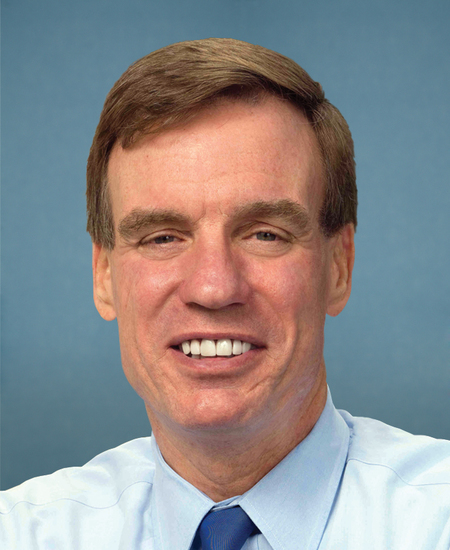
Ahead of Hearing with Secretary Bessent, Warner Encourages Treasury to Better Understand and Develop Rules Around Agentic AI
WASHINGTON – Today, U.S. Sen. Mark R. Warner (D-VA), member of the Committee on Finance, is encouraging the Treasury Department to better understand and develop rules surrounding agentic artificial intelligence usage across the financial services sector. In a letter to Treasury Secretary Scott Bessent, Sen. Warner wrote , “I write to encourage Treasury to convene a broad and diverse set of stakeholders in order to develop clarity around the use and deployment of artificial intelligence (AI) agents in the financial services sector. Agentic AI is a rapidly evolving area of technology, and a lack of regulatory clarity stifles innovation, puts financial institutions and their customers at risk, and increases the potential of American financial institutions and technology companies from being at a global market disadvantage. Treasury should take the necessary steps to develop an understanding of the state of AI agent development, the complete range of use cases and associated benefits and risks, and to develop rules that allow for innovation among financial institutions of all sizes while robustly protecting consumers.” Sen. Warner explained that an AI agent is an artificial intelligence system that can autonomously perform tasks on behalf of the user. AI agents are able to engage with external environments, performs actions, make decisions, solve problems, and learn from past interactions to better perform future actions. Sen. Warner continued , “AI agents – especially in the financial services context – should owe a duty of loyalty to the principal on whose behalf they are acting, like that of other fiduciaries.” He also explained that the financial services industry has been one of the first industries to see the risks and benefits associated with AI agents. The letter concludes with a series of questions on Treasury’s plan to address agentic AI, specifically on rulemaking, the need to examine existing laws, and potential security risks. Sen. Warner is focused on making sure agentic AI are trustworthy and used in a way that protects individuals and their rights and interests. He introduced the Augmenting Compatibility and Competition by Enabling Service Switching (ACCESS) Act , legislation that would allow users to designate a trusted third-party service to manage their privacy and account settings on social media. Read the full letter here and below. Dear Secretary Bessent: I write to encourage Treasury to convene a broad and diverse set of stakeholders in order to develop clarity around the use and deployment of artificial intelligence (AI) agents in the financial services sector. Agentic AI is a rapidly evolving area of technology, and a lack of regulatory clarity stifles innovation, puts financial institutions and their customers at risk, and increases the potential of American financial institutions and technology companies from being at a global market disadvantage. Treasury should take the necessary steps to develop an understanding of the state of AI agent development, the complete range of use cases and associated benefits and risks, and to develop rules that allow for innovation among financial institutions of all sizes while robustly protecting consumers. An AI agent is an artificial intelligence system that performs tasks autonomously on behalf of a principal user. AI agents can engage with external environments and perform actions, make decisions and solve problems, and learn from past interactions to better perform future actions on behalf of the principal. AI agents – especially in the financial services context – should owe a duty of loyalty to the principal on whose behalf they are acting, like that of other fiduciaries. The financial services industry has been one of the first industries to see the risks and benefits associated with AI agents. Stakeholders include systemic financial institutions and national banks, regional banks, community banks, and most importantly the American public and businesses who rely on the banking system for financial management and capital access. As Treasury undertakes this task, some questions that it should consider include: Given the increased integration of AI into banking technology, especially through third-party vendors, what steps is Treasury taking to ensure that national, regional, and community banks receive timely and actionable guidance on how to evaluate and oversee AI-enabled third-party service providers? Many banks rely on core processors and fintech vendors to access AI capabilities but face examiner scrutiny without clearly defined supervisory expectations. Will Treasury support interagency efforts to issue supplemental FAQs or tailored guidance clarifying how existing third-party risk management frameworks (such as the 2023 Interagency TPRM Guidance) apply specifically to AI systems? Agentic payment tools are developing alongside other payment technologies, such as stablecoins. In addition to existing payment rails (e.g. card networks, wire transfers, and others), new payment rails based on agentic technologies are beginning to emerge. Will Treasury commit to examining new payment rails and ensure that protections for banking institutions and their customers are at least as robust as existing protections? Bank customers must have clarity on what support and protections are available to them from their financial institutions and regulators in the event of mistakes, fraud, or other errors as they engage in agentic commerce. As agentic technologies mature and agentic payments grow, will Treasury examine how existing laws interact with financial institution and consumers’ liability in order to develop guidelines that protect customers and financial institutions from fraud, mistake, and other errors? What were the key findings, outcomes, or policy takeaways from the Treasury Department and FSOC’s AI Innovation Series announced on March 23, 2026? What specific next steps does Treasury plan to take based on the AI Innovation Series, including any plans for reports, guidance, regulatory recommendations, or additional public-private engagements? In light of recent developments involving frontier AI models with advanced cyber capabilities, does Treasury currently have access to these models for evaluation, testing, or red-teaming purposes? How is Treasury coordinating with the federal banking agencies, CISA, NIST, ONCD, and the intelligence community to assess and mitigate the potential financial-sector risks associated with advanced AI models and their agentic capabilities? Thank you for your attention to this matter. ###
e28916b8-cd81-4722-802f-8b94839c7daeIssued within 24 hours
Other senators' releases published in the day before or after this one.