Bennet, Crow Reintroduce Legislation to Support Law Enforcement and Strengthen Community Policing During National Mental Health Awareness Month
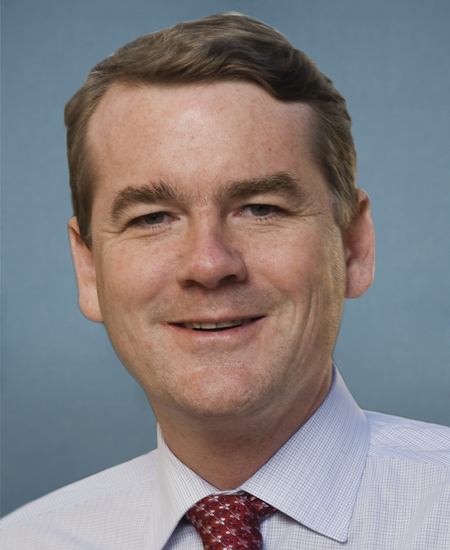
Pursuant to Senate Policy, petitions, opinion polls, and unsolicited mass electronic communications cannot be initiated by this office for the 60-day period immediately before the date of a primary or general election. Subscribers currently receiving electronic communications from this office who wish to unsubscribe may do so here . M About About Michael Legislation News Press Releases Social Media Newsletter Archive Services Priorities Top Issues Child Tax Credit Investing in Colorado Contact Map Español Acerca de Michael Escribe a Michael Prioridades Servicios Visitando D.C. Bennet, Crow Reintroduce Legislation to Support Law Enforcement and Strengthen Community Policing During National Mental Health Awareness Month Denver — Colorado U.S. Senator Michael Bennet and U.S. Representative Jason Crow reintroduced the Supporting Mental Assistance Responder Teams (SMART) Community Policing Act during National Mental Health Awareness Month. The legislation would provide dedicated funds for collaborative partnerships between law enforcement, health professionals, case managers, and outreach teams to improve public safety and connect people […] May 27, 2026 | Press Releases Denver — Colorado U.S. Senator Michael Bennet and U.S. Representative Jason Crow reintroduced the Supporting Mental Assistance Responder Teams (SMART) Community Policing Act during National Mental Health Awareness Month. The legislation would provide dedicated funds for collaborative partnerships between law enforcement, health professionals, case managers, and outreach teams to improve public safety and connect people with mental health services and community resources. Instead of treating situations primarily as criminal matters, the goal is to stabilize the person, reduce escalation, and connect them with care. “Too often, people experiencing a mental health crisis end up in situations that escalate because they are not getting the care and support they need,” said Bennet. “Law enforcement agencies across Colorado are partnering with behavioral health specialists to help de-escalate crises, connect people to treatment and long-term support, and ensure individuals receive the help they need in the moment. This legislation builds on that approach so that communities across the country can better respond to mental health crises while strengthening public safety.” “Effective policing relies on building trust within communities,” said Crow. “Our legislation, drawing on the state of Colorado’s leadership, supports local law enforcement and expands community policing efforts nationwide. I’m glad to partner with Senator Bennet to better protect our communities, improve public safety, and connect people with life-saving mental health, substance use, and other life-saving services.” Public safety in Colorado and across the country demands a comprehensive response. Mental assistance responder teams play a critical role in partnering with law enforcement and emergency responders to connect at-risk individuals with resources, prevent crime, and improve public safety. Mobile crisis teams, co-responder units, and case managers are vital to these efforts. They engage people experiencing crises related to mental health, poverty, homelessness, or substance use disorders to de-escalate challenging situations and connect them to services. The mental assistance responder teams reduce the strain on law enforcement and allow safety departments to focus on violent crimes. Studies confirm this approach yields better public safety outcomes while conserving limited resources. Specifically, the SMART Community Policing Act would create or expand programs that: Pair a mental health clinician with a paramedic or emergency medical technician (EMT) to respond to certain low-risk calls to the 911 system; Train crisis workers to respond to calls for service and help stabilize encounters; Provide mental health services for persons, including those in crisis who may need further evaluation and treatment; Stabilize encounters between law enforcement officers and people experiencing behavioral health crises and connect them with appropriate support programs; and Build case management and outreach teams to follow up with people to develop specific solutions to reduce repeat interactions with emergency services. “By combining the skills of highly trained Police Officers with mental health clinicians we are able to provide a safer environment to address the needs of an individual experiencing a mental health crisis,” said Matt Smith, Chief of Police, Grand Junction Police Department . “This collaborative effort allows many individuals to get resources at home or the most appropriate treatment facility for their individual needs.” “The SMART Community Policing Act supports programs that emphasize training, partnerships, and community-based solutions that strengthen both public safety and behavioral health response capabilities and helps ensure that co-responder programs have the l
ee911252-c355-40f5-acb3-5eb140b31ce5Issued within 24 hours
Other senators' releases published in the day before or after this one.