Press Release
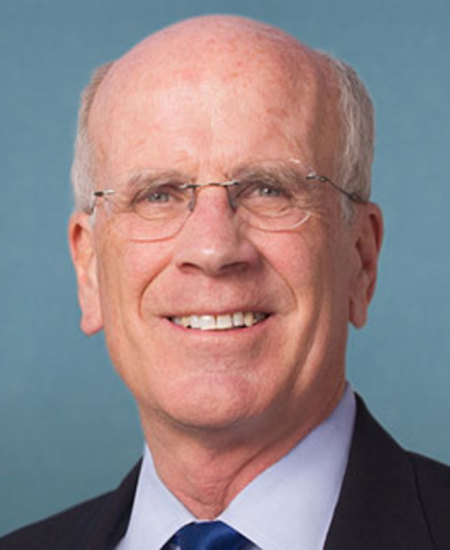
WASHINGTON, D.C. – U.S. Senator Peter Welch (D-Vt.) , Member of the Senate Finance Subcommittee on Health Care , and U.S. Senator Shelley Moore Capito (R-W.Va.) introduced the Rural Communities Opioid Response Program (RCORP) Authorization Act, bipartisan, bicameral legislation to maintain the Rural Communities Opioid Response Program, which was established to expand prevention, treatment, and recovery services in rural areas for substance use disorders, related behavioral health conditions, and other related public health issues. “While Vermont has seen a decrease in overdose deaths in recent years, our work to help those struggling with addiction isn’t over—far from it. We need to do everything in our power to support folks on the road to recovery, especially in rural communities, where treatment and resources are harder to come by,” said Senator Welch . “We’re working across the aisle to ensure that rural communities in Vermont, West Virginia, and across the country can access vital prevention and recovery services necessary to combat the opioid crisis.” “West Virginians know firsthand the devastating toll the opioid epidemic has had on our state’s families and communities. We also know that recovery is possible when those struggling have access to the right resources,” said Senator Capito . “The Rural Communities Opioid Response Program has helped strengthen prevention, treatment, and recovery efforts in communities that often face unique challenges accessing care. By preserving this successful program, we can provide greater certainty for rural providers and ensure communities in West Virginia and across the country continue to receive the support they need to recover.” U.S. Representatives Carol Miller (R-WV-01), Paul Tonko (D-NY-20), Terri Sewell (D-AL-07), and Buddy Carter (R-GA-01) introduced companion legislation in the House. “Supporting communities battling addiction remains one of my highest priorities. Representing a rural district, I know how critical it is for families to have reliable access to quality health care and recovery services. RCORP delivers essential funding to rural areas that lack the resources needed to address substance use disorders, and formally authorizing this program provides stability for the providers doing this lifesaving work. I’m grateful to my colleagues for joining me in this bipartisan effort to strengthen prevention and recovery services in some of the most underserved parts of our nation,” said Rep . Miller . “For the millions of Americans battling substance use disorder, having access to proven, affordable treatment can mean the difference between life and death. The RCORP program is critical in bringing those lifesaving services to our rural communities, including those in our own Capital Region. I’m proud to join my colleagues to introduce this legislation that ensures those living with the disease of addiction have access to the health care treatment and resources they need to find and follow the path to recovery,” said Rep . Tonko . “Opioid addiction doesn’t discriminate by age, income, or political party, and it’s going to take all of us working together to end to this national crisis. I’m proud to work with my colleagues authorize the Rural Communities Opioid Response Program. While there is no silver bullet, bipartisan solutions like this will help us save lives and support those struggling with substance use,” said Rep . Sewell . “Rural districts like mine face significant barriers to opioid treatment and recovery. Formally authorizing the Rural Communities Opioid Response Program ensures those battling substance abuse maintain access to prevention, treatment, and recovery services. As a pharmacist, this issue is deeply personal to me. I will continue working so every American has the tools and support necessary to overcome addiction, and I thank my colleagues for working together to save lives,” said Rep . Carter . The RCORP Authorization Act would: Formally authorize the Rural Communities Opioid Response Program (RCORP) to ensure its predictability and long-term stability. Provide access to prevention, treatment, and recovery services for substance use disorders in rural communities. Support local partnerships to strengthen coordinated, community-based care. Provide grants to rural organizations to address opioid use disorder and other behavioral health challenges. Authorize funds annually from Fiscal Year 2027 through 2031 to sustain and expand the program. Read and download the full text of the legislation. Senator Welch has led his colleagues in a series of substance use disorder research, treatment, and prevention efforts. This Congress, Senator Welch cosponsored the Maximizing Opioid Recovery Emergency (MORE) Savings Act , legislation to make it easier for individuals struggling with an opioid-use disorder (OUD) to access evidence-based treatment. The Senator also reintroduced his bipartisan, bicameral Overcoming Prevalent Inadequacies in Overdose Information Data Sets (OPIOIDS ACT) to confront the devastating opioid crisis and give state and local governments additional tools to address the opioid epidemic in their communities. In 2023, Senator Welch’s bipartisan Testing, Rapid Analysis, and Narcotic Quality (TRANQ) Research Act was signed into law by President Biden. ###
f7fba59b-f2ee-456a-b7da-e93796726eb0Issued within 24 hours
Other senators' releases published in the day before or after this one.