Cramer Brings Burgum, Federal Leaders to North Dakota for Landowner Town Hall on Fish and Wildlife Service Overreach
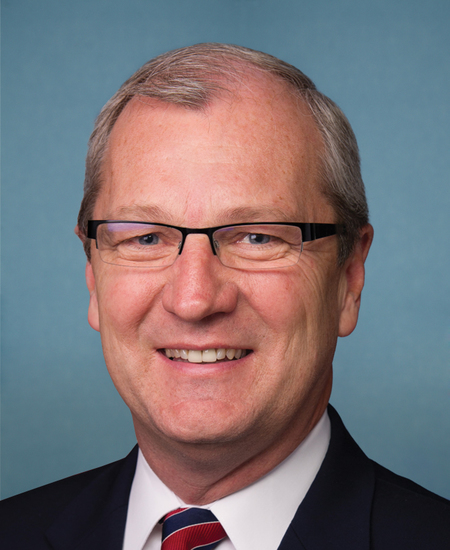
***Click here for media resources.*** JAMESTOWN, N.D. – North Dakota landowners brought their concerns over federal wetland easements directly to top U.S. Department of the Interior (DOI) officials today during a town hall hosted by U.S. Senator Kevin Cramer (R-ND). The meeting brought the two highest-ranking officials at DOI—Secretary Doug Burgum and Deputy Secretary Kate MacGregor—along with senior DOI and U.S. Fish and Wildlife Service (FWS) leaders to Jamestown to hear how Waterfowl Production Area (WPA) easement policies affect farmers, ranchers, and private property owners across the state and the Prairie Pothole Region. The town hall marked an opportunity for landowners to speak with the federal officials overseeing the policies and press for meaningful changes after decades of overreach and mismanagement. Farmers and ranchers traveled from across North Dakota and nearby states to share personal experiences, raise their concerns, and explain how federal easement restrictions have affected their ability to manage and produce on their land. The event was held at the North Dakota Farmers Union headquarters, an organization which represents more than 70,000 farm, ranch, and member families. “Thank you, North Dakota Farmers Union, for your incredible hospitality and for opening up your wonderful facility for this important meeting—and then for reconfiguring it, because I noticed some walls had to be moved to accommodate the growing crowd,” said Cramer. “Thank you all for the invaluable gift of your time, yet again. You’ve trusted me multiple times, and you’ve shown up multiple times. Each time, I feel like we’ve taken a step or two forward, maybe half a step or a step backward, and we just find ourselves in this cycle. I won’t go through the entire history of it all. We’ll let others do that as they share their stories. I feel your frustration. I know the people in this room feel the frustration of dealing with the same issues over and over and over again. And you talked about trust. But one of the things that helps repair broken trust is showing up. The people sitting at this table today—particularly Secretary Burgum, Deputy Secretary Kate MacGregor, and Deputy Fish and Wildlife Service Director Kellogg—showed up. They came a long way to be here.” “The people closest to the land, especially our farmers, ranchers and hunters, understand its challenges and opportunities better than anyone,” said Burgum. “We’re grateful to Senator Cramer for bringing together the entire congressional delegation and so many North Dakotans who continue to give their time and bring their perspectives to the table. If there's one place in the country that can be a model of conservation while letting our farmers do what they do best, it’s North Dakota. I've always believed in our state, I believe in the team we’ve put together and I know we can build a durable solution that works.” Click here to watch the town hall At the center of the discussion was growing frustration among North Dakota landowners over the FWS expansion of federal authority beyond the boundaries of the land originally covered by easement contracts. The agency’s practices have restricted their ability to manage water, install drainage systems, and maintain productive farmland, raising serious concerns about private property rights and the federal government’s obligation to honor its agreements. Across North Dakota and the broader Prairie Pothole Region, landowners say the consequences of federal easement restrictions are showing up in their fields and on their balance sheets. Their experiences mirror those of North Dakota farmer Cody Peterson, whose once highly productive fields have suffered stunted yields because restrictions tied to federal easements have prevented him from installing water management systems needed to address soil quality issues and excess water. Peterson shared a photo of a field he farms for corn, showing the stark contrast between productive areas and struggling sections—and illustrating just how much potential profit is being lost. Other North Dakota farmers affected by the agency’s policies shared similar concerns. Steve Hansen, a farmer from Oakes, discussed FWS Principal Deputy Director Tyler Kellogg’s recent visit to North Dakota to “put eyes on what we’re talking about.” Hansen said they showed agency officials not only the problems but also potential solutions. He emphasized that solutions exist and reiterated how all landowners are asking for is the ability to maintain their easements. “If we can do that, we can protect soil health, and we can improve habitat,” said Hansen. “We’re really good at it, just let us do it.” Ryan Pederson explained that a landowner’s greatest legacy to their children is the land itself, “and conservation is part of that legacy.” However, he argued that since the contracts were signed, the agency has defined the rules to its own advantage and hidden behind those definitions. He noted that since these contracts were signed, the FWS has taken a legacy of conservation and turned it into the greatest mistake their grandparents and parents made. State Representative Mike Brandenburrg, a fourth-generation farmer, said he’s been battling this for over 40 years. He stressed the need to find a compromise because he wants to be able to produce for the “fifth generation, and the sixth generation, and the generations to come.” At the town hall, Scott German said it’s “ time to stop kicking the can down the road” and return to the original intent of the easement program. “Let’s let farmers manage their land like this whole program was intended to and I think we can have a working symbiotic relationship with landowners and the Service,” said German. Cramer regularly demands federal agencies are accountable for their easement practices, previously describing the encroachments as “nothing short of theft of property.” He has argued landowners should not be left unable to farm or manage their property because of federal agency actions that extend beyond the terms of their agreements. As part of this effort, Cramer has placed holds on Trump administration nominees until meaningful progress is made toward resolving the easement dispute and protecting landowners’ ability to farm without fear of federal interference. He has also recognized the administration’s good-faith efforts, releasing a limited number of nominations after constructive engagement with DOI and the White House. Bringing federal decisionmakers to North Dakota is part of Cramer’s broader effort to secure changes to how wetland easements are managed. He regularly presses agency leaders and nominees to address landowners’ concerns. He brought FWS Director Brian Nesvik and Principal Deputy Director Tyler Kellogg to the state to see the effects of the agency’s easement practices. Cramer also hosted Burgum in Valley City for a roundtable with area farmers whose land had been seized or degraded through FWS easement practices.
ff6870c6-0d57-4118-9b0a-06c61c63f89aIssued within 24 hours
Other senators' releases published in the day before or after this one.