Rep. Sara Jacobs Stresses Need for Whole-of-Government Strategy for Nigeria
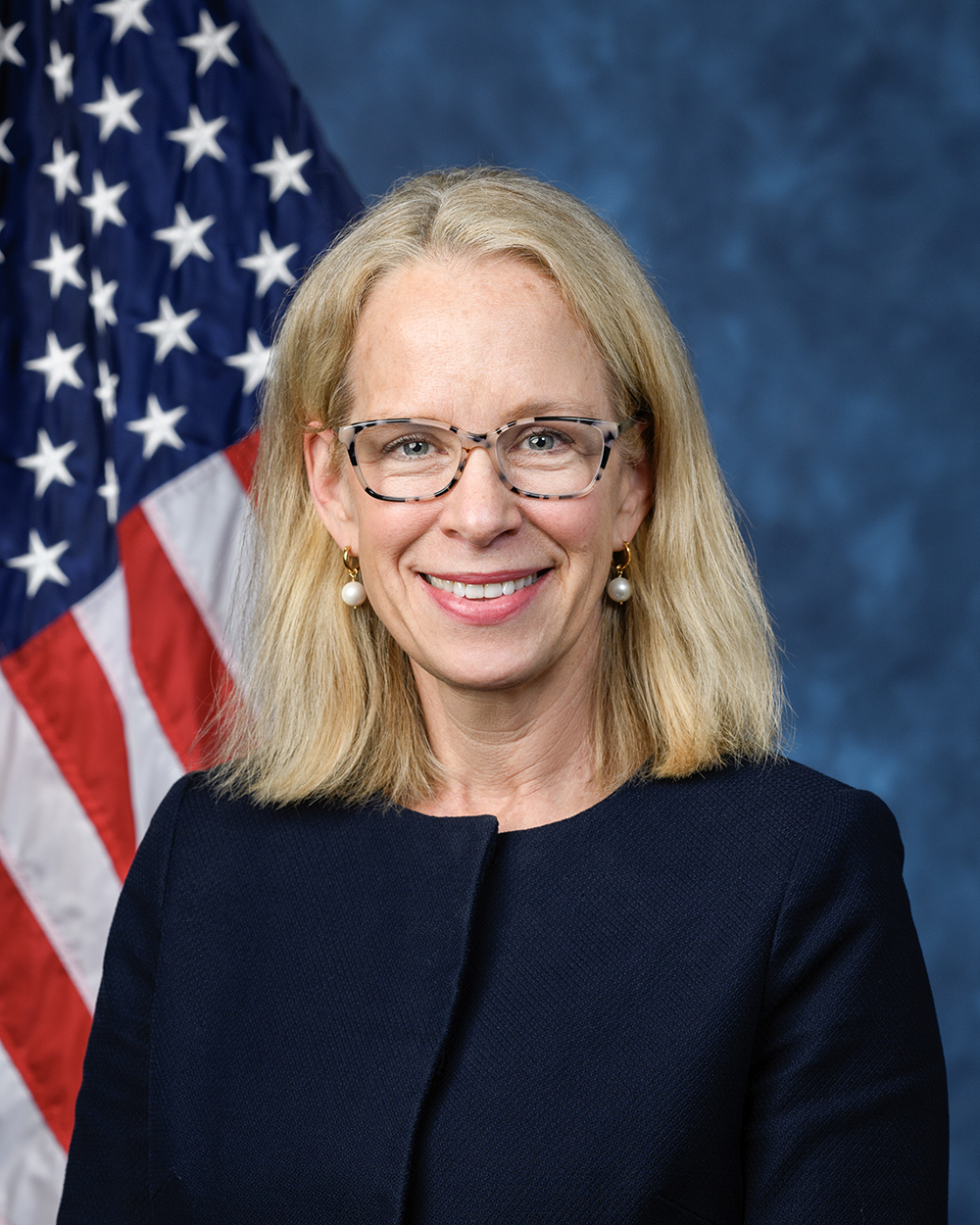
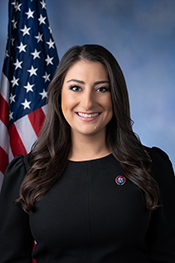
November 12, 2026 Rep. Sara Jacobs Stresses Need for Whole-of-Government Strategy for Nigeria Rep. Sara Jacobs (CA-51), Ranking Member of the House Foreign Affairs Subcommittee on Africa, today stressed the importance of the U.S. creating a whole-of-government strategy to address the drivers of conflict and instability in Nigeria and the need for more aggressive oversight of the Trump Administration’s Africa policies. Watch Rep. Sara Jacobs’ Opening Remarks Here Rep. Sara Jacobs said: “Thank you, Chairman Smith, and to Assistant Secretary Frank Garcia and Assistant Secretary Riley Barnes for testifying today. I want to particularly thank Assistant Secretary Garcia for appearing today, as this is the first time our subcommittee has had the pleasure, so we will have plenty of oversight questions for you. “But let’s first start with looking at Nigeria. We all know here that Nigeria is an incredibly important country as Africa’s largest economy, most populous nation, and a significant actor in the region and on the world stage. “Meanwhile, Nigeria is facing its own challenges – like rising insecurity, shrinking freedom of expression, and a struggling economy - which are preventing the country from long-term stability and prosperity. So Nigeria’s ability to address these challenges and the United States’ role in supporting them is critical. But these security challenges are complex and vary across the country, affecting both Christians and Muslims. “In the northeast, Boko Haram and ISIS-WA terrorize both Christian and Muslim communities with Muslims being the majority of victims, preying on grievances from extreme economic inequality between northern and southern regions. In northwest and central Nigeria, armed clashes have occurred both between Christian and Muslim communities and among communities of the same faith. “The drivers of conflict in Nigeria are diverse, ranging from competition over land and water resources to frustrations over the Nigerian government’s inability to meet the economic and security needs of its citizens. The latter has prompted people to resort to criminality—including banditry and kidnapping for ransom—to meet their basic needs. “Oversimplification of these conflict dynamics is counterproductive. Insecurity and the failure of governance impacts everyone. And false narratives perpetuate harmful stereotypes and motivate tensions and violence based on religious identity. Distorting what’s happening into solely a religious narrative erases the real drivers of violence and makes it harder to implement effective solutions. “It’s been one year since the designation of Nigeria as a Country of Particular Concern. So the question is, what has been the result of this designation and the Administration’s engagement with Nigeria? Did the Christmas strike in Sokoto and increased security cooperation get us closer to peace? Has there been real, measurable progress in improving Nigeria’s governance at the federal, subnational, and local level to protect its own citizens from violence and insecurity? “These issues are complex and require a whole-of-government approach on both the United States’ and Nigerian sides. I have worked on Nigeria policy since I was at the State Department in 2014 so I know firsthand these security challenges are multifaceted and require holistic responses. “So when the Department of Defense is focused on helping Nigeria target terrorists in the northeast and northwest, the State Department needs to work on the diplomatic and development front to push the Nigerians to address the drivers of violence and insecurity — not just the outcomes of them. And that includes our foreign assistance. Last year, this Administration gutted hundreds of billions of dollars of foreign aid, including hundreds of millions in Nigeria. Sabotaging our response does not demonstrate that the U.S. is serious about helping Nigeria protect its citizens. “But there are several issues across Africa that our subcommittee has not had the opportunity to dig into in public hearings with senior Administration officials, and it’s long past time that we do so. “In Sudan, President Trump committed to ending what is currently the largest humanitarian crisis almost exactly a year ago. He calls himself the Peace President. But unfortunately, the Sudanese people are still suffering. This committee doesn’t have clarity on what this Administration’s strategy is in strategic places like Somalia or the Sahel region. We have reports of opaque third-country deportation deals that in some cases included side deals like security assistance to abusive militaries. “All of these issues deserve more attention in this body and I look forward to discussing some of these important oversight questions with our witnesses today. Thank you.” ### Print Email Share Tweet
03247908-9491-4a2e-9d39-39be5ff97cb2Issued within 24 hours
Other senators' releases published in the day before or after this one.