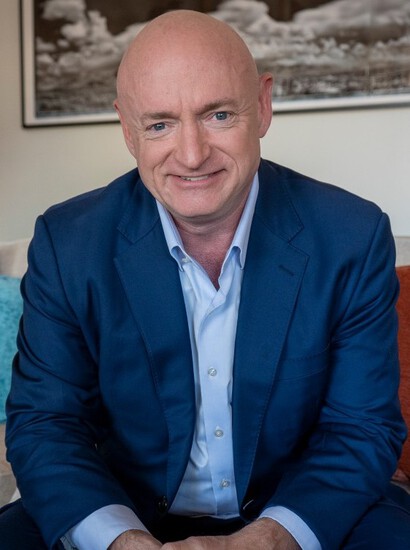
WATCH: In SSCI Hearing, Kelly Presses Officials on How Iran War Benefits Russia and Demands Answers on Whether President Was Briefed on Strait of Hormuz Closure
Today, during a Senate Select Committee on Intelligence (SSCI)
hearing
, Arizona Senator and Navy combat veteran Mark Kelly pressed senior Intelligence officials on how the administration’s war with Iran is directly benefiting U.S. adversaries, notably Russia, and demanded answers on whether the president was fully briefed on the risks of escalation in the region, including the then-potential closure of the Strait of Hormuz.
Kelly also called out reports that political supporters could receive private national security briefings in exchange for donations, warning such actions would raise serious legal and ethical concerns at the same time the American people aren’t getting answers about the war.
Kelly pressed the officials on rising global oil prices and questioned whether Russia is financially
benefiting
from the conflict in Iran:
“I think we can all agree that sanctions were loosened, and that means more money into the coffers of Vladimir Putin. Would you agree that if he has more funding, he is likely to put that to his war effort against Ukraine?”
Kelly also raised concerns
about transparency
around what intelligence and analysis, if any, was presented to the president about the risks of the Strait of Hormuz being closed:
“Director Gabbard, you tweeted yesterday that President Trump concluded there was an
‘imminent threat’
and made a decision to attack Iran after
‘carefully reviewing all of the information before him’. I think the country deserves to know what the information was. I’m going to ask a series of questions and just want a yes or no. We don’t need any explanation, just yes or no. Starting with, were you asked—I’m not asking if you did brief this—were you asked to brief on whether Iran would close the Strait of Hormuz?”
“We’re trying to figure out if the president knew what the downside was of the Strait of Hormuz being closed. And
I’m
having
a hard time
finding out whether the White House asked or whether there was a brief, whether the president knew. Did he know this was going to happen or did he just disregard it?”
Throughout the exchange, the intelligence officials declined to directly answer several of Kelly’s questions about what analysis was provided to the president ahead of the operation. Kelly made clear that Americans deserve transparency about decisions that affect U.S. troops, global stability, and national security.
Sen. Kelly questions Director Tulsi Gabbard and Director John Ratcliffe at a SSCI hearing.
Kelly further called out a fundraising email from the President suggesting supporters, in exchange for donations, could receive private national security
briefings, raising serious legal and ethical concerns:
“Just want to point out something that was released about six days ago. This is a fundraising email from the president, from the president of the United States. And in this email here, where there’s multiple links to donate money. It says
‘as a national security briefing member,
you’ll
receive my private national security briefings’.
Director Gabbard or Director Ratcliffe, do you think the public should be able to, supporters of the president should be able to pay and receive his private national security briefings? I assume these are briefings, Director Ratcliffe, that you provide to the president that is now going to be provided to somebody who
makes a donation.”
Kelly concluded that the
Hatch Act
should prohibit this type of conduct.
Click
here
to download a video of Kelly’s questioning. See the transcript below:
Senator Kelly:
Thank you, Mr.
Chairman, and thank you for being here today, to
all of
our witnesses. So,
for more than a decade, the United States has tried to make a pivot to Asia in its national defense strategy
in order to
confront significant threats from China. For years, administrations of both parties have
identified
China as a top threat facing our country and worked
to build relationships across Asia and deter Chinese aggression.
At the same time, we have bolstered our European allies and asked them to contribute more to their defense to deter Russia. Director Gabbard and Ratcliffe, would you agree that China and Russia are our primary geopolitical rivals? Director Gabbard.
Director
Tulsi
Gabbard:
Yes, they are our primary strategic
competitors.
Kelly:
Thank you, Director Ratcliffe?
Director Ratcliffe:
I would agree with that. Although I
don’t
think
they’re
equal in terms of the threats
that they pose.
Kelly:
I understand.
Thank you. So that brings us to the war with Iran. So,
this has created one of the largest ever supply shocks to the global oil supply, which has sent gas prices skyrocketing for Americans.
But not everybody is losing. Directors Gabbard and Ratcliffe, is it
accurate
that Russia has gained billions of dollars in
additional
oil revenue due to price spikes
as a result of
the war
and loosened
sanctions? Director Gabbard.
Gabbard:
That is what has been reported. I defer to the
director of—Secretary of Treasury and Energy on that front for details.
Kelly:
Director Ratcliffe.
Ratcliffe:
Yeah,
I’m
not an economist. Not going to
try and do those calculations. But as I talked about earlier, sometimes there are decisions made that will
benefit
adversaries. At the same time, policymakers think that it will
benefit
the American people.
Kelly:
I think we can all agree that sanctions were loosened, and that means more money into the coffers of Vladimir Putin. Would you agree that if he has more funding, he is likely to put that to his war effort against Ukraine? Director Gabbard.
Gabbard:
I would defer to an actual intelligence assessment on what they would believe
his intentions are.
Kelly:
Director Ratcliffe.
Ratcliffe:
Yeah, I
wouldn’t
speculate
on that.
Kelly:
Wouldn’t
speculate?
Okay. And is it accurate that China is continuing to receive preferential oil flows from Iran despite the conflict, as Iran allows its own tankers to transit the strait?
Director Gabbard.
I’m going to go back and forth between the two of you.
Gabbard:
There has been some reporting of
China, India,
and other countries being able to move their tankers through the strait. However, it is unclear the volume or the measure of that.
Kelly:
Okay, so it sounds like
it’s
accurate. Thank you.
I’m
going to move on. Director Gabbard, you tweeted yesterday that President Trump concluded there was an
“imminent threat”
and
made a decision
to attack Iran
after
“carefully reviewing all
of the information before him”.
I think the country
deserves to know what the information was.
I’m
going to ask a series of questions and just want a yes or no.
We
don’t
need any explanation, just yes or no. Starting with, were you asked—I’m
not asking if you did brief this—were you asked to brief on whether Iran would close the Strait of Hormuz?
Gabbard:
I’m
not going to comment on what the president did or
didn’t
ask me on any topic.
Kelly:
I’m
not asking if you briefed it.
I’m
just asking
if there was a request by the
White
House.
Gabbard:
I understand.
Kelly:
Director
Ratcliffe, were you asked to brief on whether Iran would close the Strait of Hormuz?
Ratcliffe:
The briefings to the to the president, the
White House,
typically
don’t
come at the request of the
White House. So
typically,when we get intelligence that we want the president to be aware of, the intelligence community brings that to the president.
Kelly:
Did you produce the analysis for the Straits of Hormuz?
Ratcliffe:
There has been and continues to be analysis with respect to that.
Kelly:
Were you
asked to brief on how our adversaries and allies would respond
to the war in Iran?
I imagine I’ll get the same answer. So,
it’s just to point out
here, it’s challenging to—forget
about actually what was in the brief for a second.
We’re
having
a hard time
finding out not only if you briefed the president on something, but even if the
White House asked if they could be briefed on something or if analysis was produced.
So
I just want to point out here—
Ratcliffe:
Can I comment on
that?
Kelly:
Yes.
Ratcliffe:
I go back to the point.
It’s
the same approach that we took to the to the prior operations, which to your credit, Senator, you have praised the intelligence and military communities in Operation Midnight Hammer and Operation Absolute Resolve.
It’s
the same approach and the same professionals in terms of how they approached this
particular operation.
Kelly:
But we’re trying to
figure out if the president knew what the downside was of the Strait of Hormuz being closed. And
I’m
having
a hard time
finding out whether the
White House asked or whether there was a brief,
whether the president knew. Did he know this was going to happen or did he just disregard it?
And I just want to point out something that was released about six days ago. This is a fundraising email from the president, from the president of the United States. And in this email here, where there’s multiple links to donate money. It
says
“as a national security briefing member, you’ll receive
my private national security briefings”.
Director Gabbard or Director Ratcliffe, do you think the public should be able to, supporters of the president should be able to pay and receive his private national security briefings?
I assume these are briefings, Director Ratcliffe, that you provide to the president that is now going to be provided to somebody who
makes a
donation.
Ratcliffe:
Regardless of what that—I
don’t
know what that document is.
But
regardless
what it says, it
didn’t
happen.
Kelly:
Oh, no, this is new.
Ratcliffe:
Well, but
I’m
telling you is that
the Hatch Act would prevent me from in a
political role from engaging in that.
I’m
not aware that anything like that happened.
Kelly:
This
says
“unfiltered updates”.
So, Director Gabbard, do you have any comment on whether unfiltered updates of private national security briefings should be made to individuals that donate to the president?
Gabbard:
I’m
not familiar with that document.
Kelly:
It’s
been made very public six days ago.
We’ll
get you
a copy here, because I agree with you,
Director Ratcliffe, that the Hatch Act should prohibit this type of conduct. Thank you.
04cacc52-a610-457a-8618-07ce53e8c514Issued within 24 hours
Other senators' releases published in the day before or after this one.