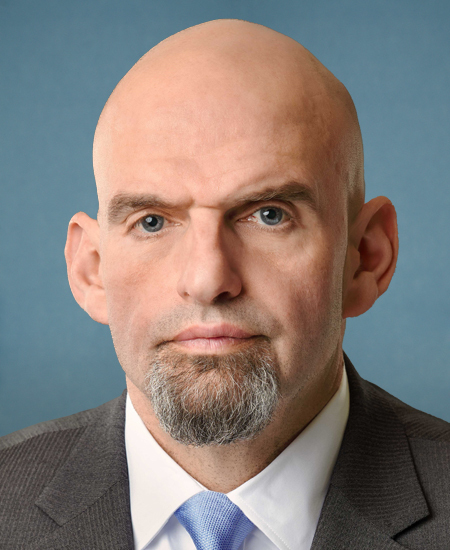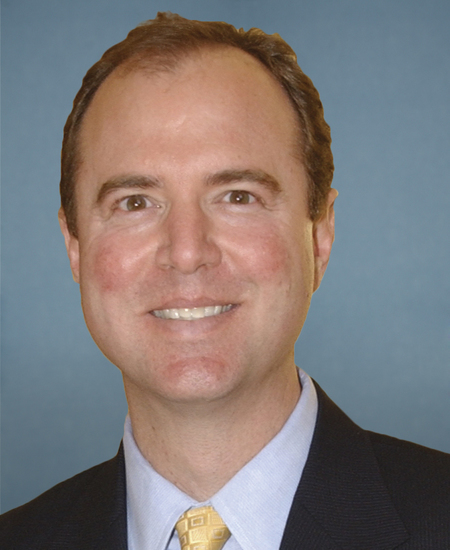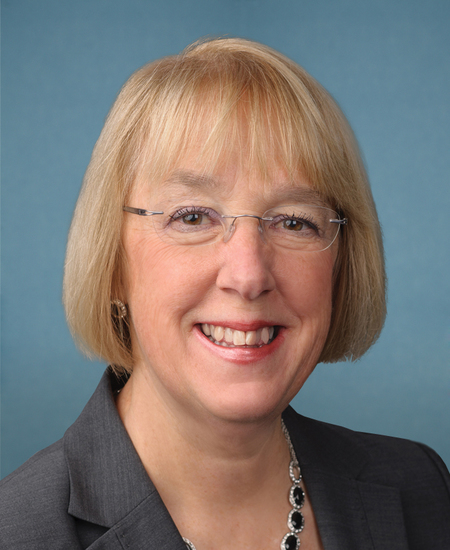
Luján, Bennet, Senate Agriculture Democrats Demand USDA Withdraw Proposed Rule Restricting Food Assistance
Washington, D.C. – U.S. Senators Ben Ray Luján (D-N.M.), Ranking Member of the Senate Agriculture Committee’s Subcommittee on Food and Nutrition, Michael Bennet (D-Colo.), and John Fetterman (D-Pa.) led U.S. Senators Amy Klobuchar (D-Minn.), Tina Smith (D-Minn.), Dick Durbin (D-IlI.), Cory Booker (D-N.J.), Raphael Warnock (D-Ga.), Peter Welch (D-Vt.), Adam Schiff (D-Calif.), and Elissa Slotkin (D-Mich.) in urging the U.S. Department of Agriculture (USDA) to withdraw its proposed rule restricting Broad-Based Categorical Eligibility (BBCE) under the Supplemental Nutrition Assistance Program (SNAP) that will severely narrow eligibility requirements for the nation’s largest anti-hunger program. “We write to strongly urge the U.S. Department of Agriculture (USDA) to withdraw its proposed rule restricting Broad-Based Categorical Eligibility (BBCE) under the Supplemental Nutrition Assistance Program (SNAP). Should this rule take effect, an estimated 6.3 million Americans, including many seniors and nearly 1.8 million children, would lose SNAP benefits according to the USDA’s own analysis. At a time when everyday Americans are already struggling to afford groceries, USDA should not be making changes to SNAP that leave families with fewer resources to meet their basic needs,” began the senators. Broad-Based Categorical Eligibility helps working families and seniors afford groceries at a time when the rising costs of housing, child care, health care, and other necessities are stretching household budgets. It gives states flexibility to help low-income households access food assistance while supporting work and financial stability. Without BBCE, families could lose SNAP benefits even when they are still struggling to make ends meet. It also allows families and seniors to build and maintain modest savings without jeopardizing their access to food assistance. Protections like these are critical not only to ensure struggling Americans meet their basic needs, but also to help these individuals build toward greater financial mobility. This proposed rule would also make SNAP more challenging and costly for states to administer, increasing paperwork, the risk of payment errors, and demands on state workers. These added burdens come as states are already absorbing a larger share of SNAP administrative expenses under The One Big Beautiful Bill Act, leaving states with fewer resources to manage these additional requirements. The consequences would extend beyond SNAP. Children in households that lose SNAP eligibility could also lose automatic certification for free school meals, requiring families to submit additional applications to establish eligibility and creating more administrative work for schools. This added red tape could prevent eligible children from receiving meals and reduce federal reimbursements for schools, threatening efforts to provide free school meals to all students. The proposal could also create additional red tape for families seeking assistance through the Special Supplemental Nutrition Program for Women, Infants, and Children (WIC), potentially leaving some families unable to access benefits and others ineligible for assistance altogether. “In the proposed rule, USDA repeatedly claims that it is aligning SNAP rules with congressional intent, but the legislative history clearly demonstrates otherwise. Congress established categorical eligibility to simplify access to food assistance and preserved this framework when it created Temporary Assistance for Needy Families in 1996. States have relied on this flexibility for decades to serve low-income households and administer SNAP more efficiently. Congress subsequently considered proposals to eliminate or restrict BBCE during the 2005 reconciliation debate and the 2014 and 2018 Farm Bill negotiations, but these restrictions were ultimately rejected on a bipartisan basis and excluded from the final legislation. While maintaining SNAP eligibility for 6.3 million Americans who need it should be reason enough, the fact that this proposed rule is contrary to congressional intent and the law is another reason it should be withdrawn,” continued the senators. “Children should not go hungry, seniors should not have to spend down their savings to afford groceries, and working families should not lose assistance while they are still struggling to make ends meet. USDA’s proposal would put these families at greater risk while adding costs and complications for states. We urge USDA to withdraw the proposed rule in its entirety,” concluded the senators. As Ranking Member of the Subcommittee on Food and Nutrition, Specialty Crops, Organics, and Research, Senator Luján has led the charge to protect and restore access to Supplemental Nutrition Assistance Program (SNAP) in New Mexico and across the country. In November, Senator Luján led the entire Senate Democratic Caucus in introducing legislation to repeal all the devastating Republican cuts to SNAP made in the Republican Budget Betrayal. The text of the letter is available HERE and below . Dear Secretary Rollins: We write to strongly urge the U.S. Department of Agriculture (USDA) to withdraw its proposed rule restricting Broad-Based Categorical Eligibility (BBCE) under the Supplemental Nutrition Assistance Program (SNAP). Should this rule take effect, an estimated 6.3 million Americans, including many seniors and nearly 1.8 million children, would lose SNAP benefits according to the USDA’s own analysis. At a time when everyday Americans are already struggling to afford groceries, USDA should not be making changes to SNAP that leave families with fewer resources to meet their basic needs. The costs of housing, utilities, child care, health care, and other necessities are leaving working families and seniors on fixed incomes with little money left for food. BBCE helps these households access food while supporting work and financial stability. Without it, a working family could lose SNAP benefits entirely after a modest raise, even when the additional earnings are not enough to replace the assistance it loses. BBCE allows states to prevent this abrupt cutoff so that families can continue receiving assistance as their earnings increase and their SNAP benefits gradually decline. It also allows low-income families and seniors to maintain modest emergency savings without losing assistance. These protections help people meet their basic needs while building assets and working toward greater financial security and economic mobility. This flexibility has been embraced by leaders of both parties and is now used in 43 states, the District of Columbia, Guam, and the U.S. Virgin Islands. Beyond the direct harm to families, the proposal would make SNAP more difficult and expensive for states to administer. Most states use BBCE to raise or eliminate SNAP’s restrictive and complex federal asset test, reducing paperwork and the potential for payment errors. Reinstating these tests would require households to provide additional financial verification and place significant new demands on state workers. According to an analysis by the Center on Budget and Policy Priorities, asset-related errors added approximately one percentage point, on average, to SNAP payment error rates in states that retained asset tests in fiscal year 2023. Under H.R. 1, which ties states’ share of SNAP benefit costs to their payment error rates, even a small increase could push states into higher cost-sharing tiers. With states already absorbing a larger share of SNAP administrative expenses, this proposal would impose new burdens while leaving them with fewer resources to manage those demands. The effects would also reach well beyond SNAP. Children in households that lose SNAP eligibility would lose their SNAP-based automatic certification for free school meals, requiring families without another automatic eligibility pathway to submit additional applications and schools to verify eligibility. This would add unnecessary red tape for families and schools and increase the risk that eligible children miss out on meals. Fewer children directly certified through SNAP would also put federal school meal reimbursements at risk, particularly for schools participating in the Community Eligibility Provision. USDA’s own analysis warns that declining federal reimbursements could threaten the financial viability of state efforts to provide free school meals, such as universal breakfast and lunch programs in Colorado and New Mexico and universal free breakfast in Pennsylvania. The proposal would also complicate access to the Special Supplemental Nutrition Program for Women, Infants, and Children (WIC), requiring some families to provide additional income documentation and leaving others ineligible for assistance altogether. In the proposed rule, USDA repeatedly claims that it is aligning SNAP rules with congressional intent, but the legislative history clearly demonstrates otherwise. Congress established categorical eligibility to simplify access to food assistance and preserved this framework when it created Temporary Assistance for Needy Families in 1996. States have relied on this flexibility for decades to serve low-income households and administer SNAP more efficiently. Congress subsequently considered proposals to eliminate or restrict BBCE during the 2005 reconciliation debate and the 2014 and 2018 Farm Bill negotiations, but these restrictions were ultimately rejected on a bipartisan basis and excluded from the final legislation. While maintaining SNAP eligibility for 6.3 million Americans who need it should be reason enough, the fact that this proposed rule is contrary to congressional intent and the law is another reason it should be withdrawn. Children should not go hungry, seniors should not have to spend down their savings to afford groceries, and working families should not lose assistance while they are still struggling to make ends meet. USDA’s proposal would put these families at greater risk while adding costs and complications for states. We urge USDA to withdraw the proposed rule in its entirety. ###
1272f650-28c9-4a75-9164-ef1a7069ebccIssued within 24 hours
Other senators' releases published in the day before or after this one.