WA Legislators Introduce Bipartisan Bill to Expand Funding for Local Drug Task Forces to Combat Opioids
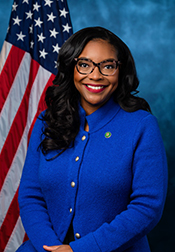
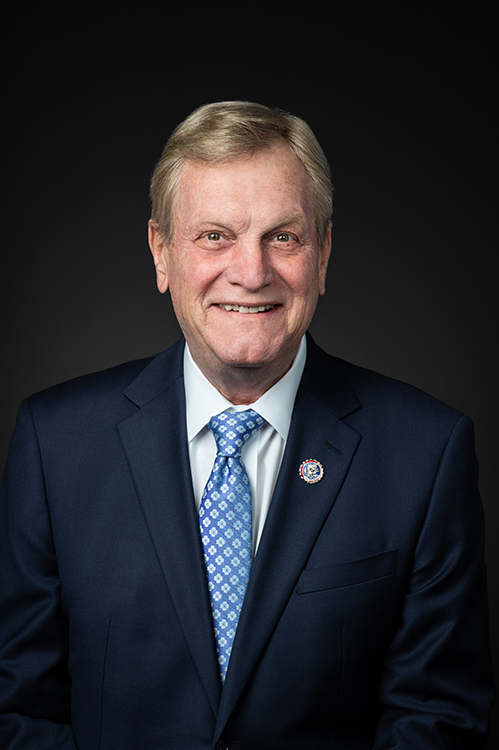
Today, Reps. Rick Larsen (WA-02), Marie Gluesenkamp Perez (WA-03) and Dan Newhouse (WA-04) introduced the End Fentanyl Trafficking with Local Task Forces Act to establish a dedicated federal funding stream to help multi-jurisdictional drug task forces combat opioid trafficking in Washington state and across the country. The bill’s introduction coincides with National Police Week, celebrated from May 11th through May 17th to recognize the sacrifices that law enforcement officers make to keep communities safe across the United States. “We have made progress in the fight against the opioid epidemic in recent years, but there is more work to be done,” said Rep. Larsen. “Local, state and Tribal law enforcement officers have told me they often lack the funding and resources to stem the flow of opioids harming their communities. This bill invests in and empowers multi-jurisdictional task forces to get more opioids and fentanyl off our streets – a critical investment that will save lives.” “Law enforcement makes real sacrifices to their personal safety to stop Fentanyl trafficking - inherently drug trafficking happens across jurisdictional boundaries and requires the multi-jurisdictional approach,” said Rep. Gluesenkamp Perez. “This funding makes all the sense in the world and I’m proud to help honor the sacrifice of our law enforcement by ensuring they’ve got the tools they need to most effectively combat the fentanyl crisis.” “In order to reverse the fentanyl crisis that has plagued Central Washington, and our nation as a whole, there needs to be an all-hands-on-deck approach to crack down on opioid trafficking,” said Rep. Newhouse. “State, local, and tribal law enforcement agencies need additional resources and improved coordination to tackle this issue head on and make our communities safer. This legislation builds off of my Joint Task Force to Counter Illicit Synthetic Narcotics Act of 2025 because ending the fentanyl crisis must be a bipartisan effort. I thank Rep. Larsen for providing additional legislation to continue fighting this epidemic.” According to preliminary data , in 2025 there were 2,170 fatal opioid overdoses in Washington state, a 12.8% decrease from 2024, and 11,122 suspected opioid overdose emergency department visits, a 16.6% decrease from 2024. What Are Multi-Jurisdictional Drug Task Forces? In Washington state and around the country, law enforcement agencies partner across jurisdictions to form task forces that coordinate information, resources and staff to target the illegal distribution of drugs at the local and regional levels. Washington state currently has 16 active multi-jurisdictional task forces (MJTFs). For example, the Whatcom County Drug Task Force is staffed by investigative personnel from the Whatcom County Sheriff’s Office, Homeland Security Investigations and Bellingham Police Department, with support from local police departments in Blaine, Everson, Ferndale, Lynden and Sumas; the U.S. Border Patrol; the Washington State Patrol; and the Washington State Department of Corrections. The Edward Byrne Memorial Justice Assistance Grant (Byrne JAG) program is the leading source of federal justice funding for states, tribes and local governments supporting a range of criminal legal system improvement and community advancement initiatives, including MJTFs. In 2023, Washington state announced it was reducing funds it historically guaranteed for MJTFs through the Byrne JAG program. At the time, Larsen, Gluesenkamp Perez, Newhouse and four other members of Washington’s congressional delegation sent a letter to Governor Jay Inslee to emphasize the importance of Byrne JAG funding to continuing the work of Washington’s 16 MJTFs. Without guaranteeing an alternative source of funding, task forces across Washington state are at immediate risk of closure and those that remain open will need to greatly reduce their working capacity. The End Fentanyl Trafficking with Local Task Forces Act would establish a dedicated funding stream to ensure these MJTFs have the resources they need. What Does the Bill Do? The End Fentanyl Trafficking with Local Task Forces Act would: Expand and formalize an existing Department of Justice (DOJ) program administered by the Community Oriented Policing Services (COPS) Office – the Anti-Heroin Task Force (AHTF) – to fund multi-jurisdictional task forces to target opioid trafficking. Help law enforcement expand partnerships across federal, state, Tribal, and local agencies to address opioid trafficking. Allow funds to be used to create new, or expand existing, muti-jurisdictional drug task forces; hire and train law enforcement offices and other support employees; procure equipment, technology, and support systems; and pay overtime. Require 40 percent of funding to be made directly available to Indian Tribes (20 percent) and MJTFs (20 percent), which will help promote local law enforcement goals and limit the administrative burdens and additional requirements associated with using pass-through entities to secure funding. Authorize funding that doubles the amount historically provided to the AHTF to robustly support MTJFs and anti-trafficking efforts. Permit the COPS director to provide technical assistance , including through training centers and facilities, to instruct law enforcement and MJTFs on best practices for combating opioid trafficking A fact sheet on the legislation is available HERE . What Stakeholders Are Saying About the Bill Representatives from MJTFs and stakeholder organizations emphasized the importance of the End Fentanyl Trafficking with Local Task Forces Act to combating the opioid epidemic. National National Narcotic Officers’ Associations’ Coalition (NNOAC) President Tony Kestner: "The National Narcotic Officers’ Associations’ Coalition commends Representatives Larsen, Gluesenkamp Perez, and Newhouse for their work and introduction of the End Fentanyl Trafficking with Local Task Forces Act. Greater investment in resources for drug enforcement efforts – particularly multi-jurisdictional drug task forces – is needed to counter the alarming trend of drug poisoning. Multi-jurisdictional drug task forces have generated best practices in information sharing, case deconfliction, and institutional coordination against local and regional drug threats. Given the diversification of Byrne JAG funding for purposes other than multi-jurisdictional drug task forces in some states, this legislation will provide much needed dedicated funding to address the drug poisoning epidemics in our communities.” Major County Sheriffs of America (MCSA) Executive Director Megan Noland: “The Major County Sheriffs of America (MCSA) applauds Representatives Larsen, Gluesenkamp Perez, and Newhouse for their efforts to combat the fentanyl epidemic and for advocating for essential resources to support our mission of protecting communities across the nation. The End Fentanyl Trafficking with Local Task Forces Act would provide law enforcement with critical tools to target drug traffickers and prevent fentanyl from entering our communities. We appreciate that the bill would provide dedicated resources to support local multi-jurisdictional drug task forces.” National Sheriffs’ Association: Read their original letter in support of the legislation HERE . The Fraternal Order of Police (FOP) has also endorsed the legislation. Local Washington State Narcotics Investigators Association (WSNIA) President Chris Foreman: Read their original letter in support of the legislation HERE . Washington Association of Sheriffs and Police Chiefs (WASPC) Executive Director Steve Strachan: "WASPC is pleased to endorse this proposal and really appreciates Reps. Larsen, Gluesenkamp Perez, and Newhouse's support and advocacy for Washington's multi-jurisdictional drug task forces." Snohomish Regional Drug Task Force (SRDTF) Executive Board: “The Snohomish Regional Drug Task Force Executive Board supports and values Congressman Larsen’s effort to combat illicit drugs like fentanyl through the ‘End Fentanyl Trafficking with Local Task Forces Act.’ Fentanyl and its many analogs pose a substantial threat to the citizens of Snohomish County, both directly and indirectly, due to their broad harmful effects. Substance use and opioid use disorders devastate families, businesses, and communities. Congressman Larsen’s balanced approach to addressing this public health dilemma is commendable.” Skagit County Interlocal Drug Enforcement Unit (SCIDEU) Commander Tobin Meyer: "Rep. Larsen has remained a strong advocate and supporter of multi-jurisdictional drug task forces, including the Skagit County Interlocal Drug Enforcement Unit (SCIDEU), which consists of detectives and federal drug enforcement agents from across the north Puget Sound region. Local and regional multi-jurisdictional drug task forces are vital to national security and public health. These teams work tirelessly to disrupt the flow of fentanyl into our nation and state, working hand-in-hand with the DEA, FBI, and other federal partners to dismantle mid- and upper-level drug trafficking organizations. SCIDEU, and other teams like ours, play a key law enforcement role in tackling transnational drug trafficking organizations and support the extradition and indictment of major international cartel leadership. A lack of dedicated funding now threatens the viability of these efforts in Washington State and across the nation. SCIDEU is proud to support the End Fentanyl Trafficking with Local Task Forces Act. We are thankful for Reps. Larsen, Gluesenkamp Perez, and Newhouse and their teams’ support in our mission to keep our communities safe, enjoyable and healthy for all.” Whatcom Regional Drug Task Force (WRDTF) Executive Board Member and Whatcom County Sheriff Donnell “Tank” Tanksley: “I fully support the End Fentanyl Trafficking with Local Task Force Act legislation to establish dedicated federal funding for multi-jurisdictional task forces (MJTFs). The Whatcom Regional Drug Task Force (WRDTF), established in 1988, is a collaborative effort between local, state, and federal agencies hosted by the Whatcom County Sheriff's Office. Partner agencies include the Bellingham Police Department, Ferndale Police Department, Homeland Security Investigations, and the Drug Enforcement Administration. This multi-jurisdictional unit is dedicated to preventing drug-related crimes, overdoses, and deaths, thereby significantly improving community safety. In 2024, the task force made 27 federal arrests and 58 arrests within Whatcom County. Notably, their efforts led to the seizure of over 700,000 Fentanyl pills and 51 firearms, among other significant seizures. The WRDTF's exceptional work was recently recognized at the 2025 National High-Intensity Drug Trafficking Areas (HIDTA) Awards ceremony near Washington, D.C., receiving the Community Impact Investigation award for disrupting and dismantling drug trafficking organizations. The WRDTF's achievements highlight the value of continued support and legislation, such as the End Fentanyl Trafficking with Local Task Forces Act, in further addressing the opioid crisis and promoting community safety.” Tulalip Tribes Chair Hazen Shopbell: “The drug trafficking distribution network has expanded throughout Washington State and into our tribal communities, crossing jurisdictional boundaries and exploiting law enforcement resources and jurisdictional gaps. The Tulalip Indian Reservation is located adjacent to Interstate-5, a major thoroughfare for fentanyl and other illicit drugs. The Tulalip Police Department needs improvements to technology and sufficient resources to create a multi-jurisdictional approach to combat the opioid crisis that has had devastating effects on tribal members, their families, and many Washingtonians. The End Fentanyl Trafficking with Local Task Force Act will do just this. We urge Congress to pass this important piece of legislation.” Lummi Indian Business Council Chairman Anthony Hillaire: Read their original letter in support of the legislation HERE . ###
1319ab49-87b0-451f-8aa5-657f84a462f6Issued within 24 hours
Other senators' releases published in the day before or after this one.