Fischer at Armed Services Committee: We Must Accelerate the Sentinel Program to Improve ICBM Capabilities
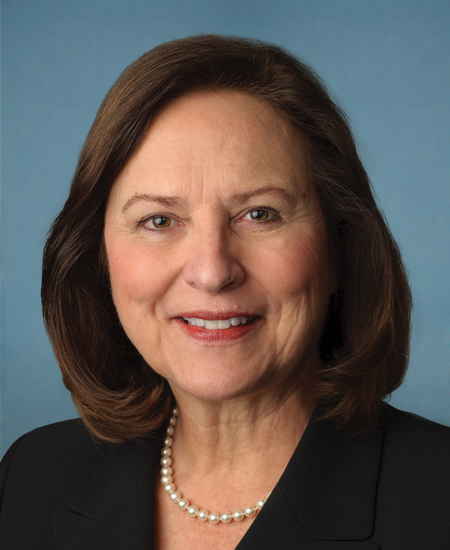
U.S. Senator Deb Fischer (R-Neb.), a senior member of the Senate Armed Services Committee, questioned Secretary of the Air Force Troy Meink on the urgent need to accelerate the Sentinel Program to improve U.S. intercontinental ballistic missile (ICBM) capabilities. Fischer emphasized that further delays will only lead to increased costs. She also stressed the importance of military construction projects to support the new Survivable Airborne Operations Center (SAOC). SAOC will eventually replace the Air Force’s current fleet of E-4Bs, highly specialized “doomsday” planes hosted by Offutt Air Force Base.
During her remarks, Fischer questioned Chief of Space Operations General B. Chance Saltzman about the Space Force’s role in integrating requirements and developing programs that would address potential threats.
Click the image above to watch a video of Fischer’s questioning
Click
here
to download audio
Click
here
to download video
On Accelerating the Sentinel Program and Ensuring its ICBM Capability:
Fischer:
Secretary Meink, at your confirmation hearing, you committed to utilizing all available tools to accelerate Sentinel emplacement and ensure that our nation's ICBM capability does move forward. The Nunn-McCurdy review concluded that the continuation of Sentinel is essential to our national security, and thanks to the thoroughness of that review, we can make smarter changes to the program that will reduce the projected cost and schedule of the program.
However, the Air Force needs to start making design decisions that will get us to Milestone B. The longer you wait, the more likely it is that costs will increase. I also don't want to see the Air Force choose to raid Sentinel budget lines to pay for other programs, because the Air Force has delayed Milestone B decisions.
On Fulfilling STRATCOM B-21 Bomber Recommendations:
Fischer:
U.S. STRATCOM Commander General Cotton has recommended that the Air Force procure at least 145 B-21 bombers to meet his requirements as STRATCOM commander. How do you intend to work with STRATCOM to understand these requirements and ensure that the Air Force procures enough B-21s so that we can meet that projected threat?
Meink:
The Department's working with STRATCOM – as well as Joint Staff and throughout the administration, the SecDef (United States Secretary of Defense) – to help define what is that long term requirement, and do we need to increase beyond 100. So, we are looking at that, and thankfully, that is one of the programs that's actually executing pretty well within the Department.
On Maintaining Space Force Capabilities to Address Threats:
Fischer:
General Saltzman, all of the other services are investing heavily in long range fires, and as I've said many times, we can't shoot what we can't see. We are going to need to rely heavily on our space-based systems to track objects beyond the line of sight. How does Space Force work with your sister services to understand what space capabilities they will need to rely on so that they can close those kill chains?
Saltzman:
Yes, ma'am, we were designated the Joint Space Requirements integrator by the JROC on the Joint Staff, and one of the ways that we execute those responsibilities is we stood up a Requirements Integration Cell in the J8 where all the services can put their requirements in, vet them all, make sure there's proper attention given to each requirement, and there's not too much redundancy but no gaps in the capabilities as well. Programs like our ground moving target indicator, soon to be our air moving target indicator, account for these requirements—what the fidelity of the data is, what the latency of the data to support weapon system in flight updates, etc. We make sure we account for all those things as we develop the programs.
On Supporting the Crucial Survivable Airborne Operations Center
:
Fischer:
Mr. Secretary, in the submitted Air Force posture statement, you describe SAOC as “crucial to any future warfare endeavor.” I agree with that. And it's for this reason that I was disappointed that President Biden – his budget request last year – did not include any military construction funding necessary to support SAOC. Do you agree that the Air Force should be planning for SAOC's associated military construction projects – those hangars and ramps, for example – to be completed by the time that SAOC is expected to reach the initial operating capability by 2032?
Meink:
Yes, Senator, we should be planning for that, and I've already had some discussions on that to make sure that we're ready.
Fischer:
Will you continue to have the Air Force work to ensure that those projects are going to be completed in a timely manner?
Meink:
Yes, Senator.
17ce418a-7a4b-442d-8adb-0491e3fd87caIssued within 24 hours
Other senators' releases published in the day before or after this one.