Taylor Leads Colleagues in Bill to Cut Red Tape in the Housing Market
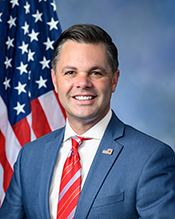
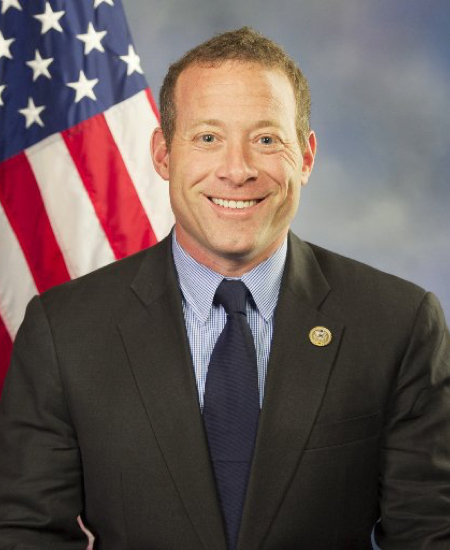
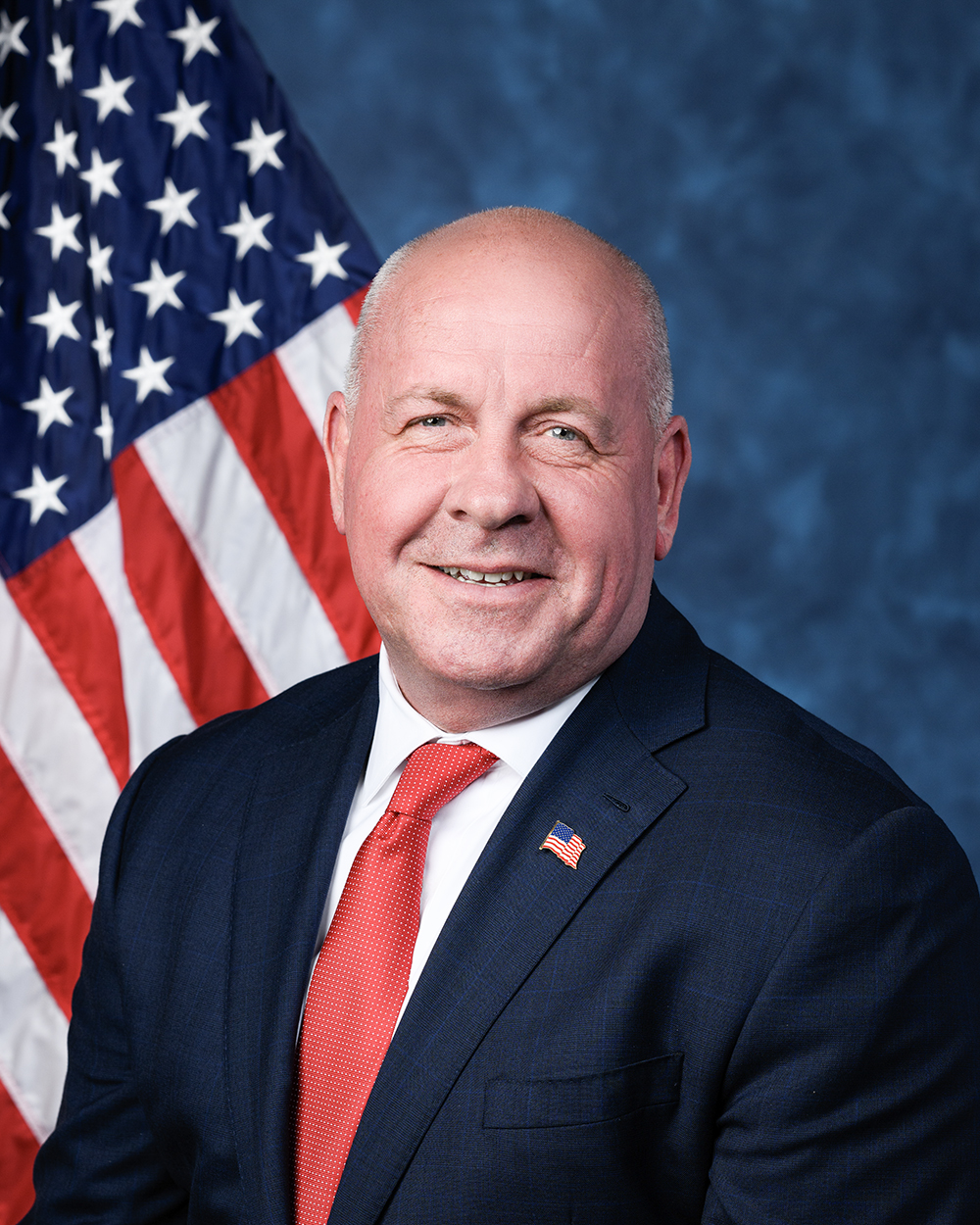
May 20, 2026 Press Release WASHINGTON, D.C. – Congressman Dave Taylor (OH-02) today introduced the Housing Regulatory Clarity Act, which will relieve unnecessary regulatory burdens for housing providers and institute much-needed regulatory clarity by preventing the Department of Housing and Urban Development (HUD) from using disparate impact to regulate housing. Representatives Paul Gosar (AZ-09), Mike Collins (GA-10), Mike Rulli (OH-06), and Matt Van Epps (TN-07) joined Congressman Taylor as cosponsors of this bill. “Instead of ensuring fairness in the housing market, HUD’s implementation of disparate impact has imposed undue burdens on housing providers and undermined the principle of equal opportunity outlined in our Constitution,” said Congressman Taylor. “I’m proud to lead my colleagues in restoring common sense to our housing market, untying the hands of landlords and sellers, and getting the government out of the way so Buckeye families can choose where they live without burdensome bureaucratic barriers.” “Unelected bureaucrats should not be weaponizing vague ‘disparate impact’ theories to punish Americans who never intended to discriminate in the first place. The Housing Regulatory Clarity Act restores fairness, reduces costly regulatory burdens and legal battles, and codifies President Trump’s executive order to rein in out-of-control federal overreach at HUD. I am proud to support this commonsense legislation that brings greater certainty and accountability to the housing market,” stated Congressman Gosar. "Americans need a home, a place to rest, raise our families, and make memories. But when landlords fear frivolous lawsuits from federal agencies, they may choose not to rent out their homes at all, reducing the housing available to Americans," said Congressman Collins. "That's why I'm proud to cosponsor Congressman Dave Taylor's Housing Regulatory Clarity Act. This legislation will cut burdensome regulations, provide clarity for housing providers, and help expand access to housing for Americans." “The Housing Regulatory Clarity Act brings common sense back to housing policy. By ending the use of disparate impact, we are removing unfair regulatory burdens that drive up costs and slow down new housing,” said Congressman Rulli. “Ohio families and our real estate professionals deserve clear rules that focus on actual discrimination, not statistical outcomes.” “Equal treatment under the law is a cornerstone of our constitutional system. Yet for years, the federal government has used disparate-impact liability to pressure institutions and businesses into treating Americans differently based on race. That approach has had serious consequences in areas like hiring and housing,” said Congressman Van Epps. “I am proud to support Rep. Dave Taylor’s Housing Regulatory Clarity Act, which makes clear that agencies like HUD cannot use disparate-impact standards to justify racial discrimination and instead must focus on serving every American fairly and equally under the law.” “We applaud Representative Taylor for leading the charge to codify a prohibition on the use of disparate-impact by HUD,” said Jimi Grande, Senior Vice President of Federal and Political Affairs at the National Association of Mutual Insurance Companies. “As President Trump has noted, disparate-impact liability undermines our national values and threatens the bedrock American principle that all citizens are treated equally under the law. We commend the bill sponsors and encourage its swift passage to ensure that the agency charged with responsibility for housing treats all individuals equally before the law.” Background: The Department of Housing and Urban Development enforces fair housing laws under the Fair Housing Act. Part of this enforcement relies on disparate impact, which allows HUD to take action against policies or practices that incidentally disadvantage a protected class, even if there was no intent on behalf of the seller to discriminate against them. This has resulted in murky guidelines for housing providers, increased regulatory burden, and needless legal battles. In April of 2025, President Trump issued Executive Order 14281 , which restricted federal agencies, including HUD, from using disparate impact as a tool in housing regulation. This executive order required agencies to review, amend, or rescind rules that impose disparate impact liability, including on participants of the housing market. The Housing Regulatory Clarity Act would codify this into law, preventing HUD from implementing unnecessary government intervention and clarifying requirements for buyers and sellers. The National Association of Mutual Insurance Companies is a supporting organization of this bill. The full bill text for the Housing Regulatory Clarity Act is available here . ### Issues : Congress Economy
1c0d74d3-cc34-42cf-a564-e3f41817360eEdit history (1 prior version)
This release was edited after publication. Earlier captures are preserved below.
- Captured May 20, 2026, 2:08 PM EDT
Show prior body text
May 20, 2026 Press Release WASHINGTON, D.C. – Congressman Dave Taylor (OH-02) today introduced the Housing Regulatory Clarity Act, which will relieve unnecessary regulatory burdens for housing providers and institute much-needed regulatory clarity by preventing the Department of Housing and Urban Development (HUD) from using disparate impact to regulate housing. Representatives Paul Gosar (AZ-09), Mike Collins (GA-10), Mike Rulli (OH-06), and Matt Van Epps (TN-07) joined Congressman Taylor as cosponsors of this bill. “Instead of ensuring fairness in the housing market, HUD’s implementation of disparate impact has imposed undue burdens on housing providers and undermined the principle of equal opportunity outlined in our Constitution,” said Congressman Taylor. “I’m proud to lead my colleagues in restoring common sense to our housing market, untying the hands of landlords and sellers, and getting the government out of the way so Buckeye families can choose where they live without burdensome bureaucratic barriers.” “Unelected bureaucrats should not be weaponizing vague ‘disparate impact’ theories to punish Americans who never intended to discriminate in the first place. The Housing Regulatory Clarity Act restores fairness, reduces costly regulatory burdens and legal battles, and codifies President Trump’s executive order to rein in out-of-control federal overreach at HUD. I am proud to support this commonsense legislation that brings greater certainty and accountability to the housing market,” stated Rep. Paul Gosar. "Americans need a home, a place to rest, raise our families, and make memories. But when landlords fear frivolous lawsuits from federal agencies, they may choose not to rent out their homes at all, reducing the housing available to Americans," said Rep. Mike Collins. "That's why I'm proud to cosponsor Congressman Dave Taylor's Housing Regulatory Clarity Act. This legislation will cut burdensome regulations, provide clarity for housing providers, and help expand access to housing for Americans." “The Housing Regulatory Clarity Act brings common sense back to housing policy. By ending the use of disparate impact, we are removing unfair regulatory burdens that drive up costs and slow down new housing,” said Rep. Michael Rulli. “Ohio families and our real estate professionals deserve clear rules that focus on actual discrimination, not statistical outcomes.” “Equal treatment under the law is a cornerstone of our constitutional system. Yet for years, the federal government has used disparate-impact liability to pressure institutions and businesses into treating Americans differently based on race. That approach has had serious consequences in areas like hiring and housing,” said Rep. Van Epps. “I am proud to support Rep. Dave Taylor’s Housing Regulatory Clarity Act, which makes clear that agencies like HUD cannot use disparate-impact standards to justify racial discrimination and instead must focus on serving every American fairly and equally under the law.” “We applaud Representative Taylor for leading the charge to codify a prohibition on the use of disparate-impact by HUD,” said Jimi Grande, Senior Vice President of Federal and Political Affairs at the National Association of Mutual Insurance Companies. “As President Trump has noted, disparate-impact liability undermines our national values and threatens the bedrock American principle that all citizens are treated equally under the law. We commend the bill sponsors and encourage its swift passage to ensure that the agency charged with responsibility for housing treats all individuals equally before the law.” Background: The Department of Housing and Urban Development enforces fair housing laws under the Fair Housing Act. Part of this enforcement relies on disparate impact, which allows HUD to take action against policies or practices that incidentally disadvantage a protected class, even if there was no intent on behalf of the seller to discriminate against them. This has resulted in murky guidelines for housing providers, increased regulatory burden, and needless legal battles. In April of 2025, President Trump issued Executive Order 14281 , which restricted federal agencies, including HUD, from using disparate impact as a tool in housing regulation. This executive order required agencies to review, amend, or rescind rules that impose disparate impact liability, including on participants of the housing market. The Housing Regulatory Clarity Act would codify this into law, preventing HUD from implementing unnecessary government intervention and clarifying requirements for buyers and sellers. The National Association of Mutual Insurance Companies is a supporting organization of this bill. The full bill text for the Housing Regulatory Clarity Act is available here . ### Issues : Congress Economy
Issued within 24 hours
Other senators' releases published in the day before or after this one.