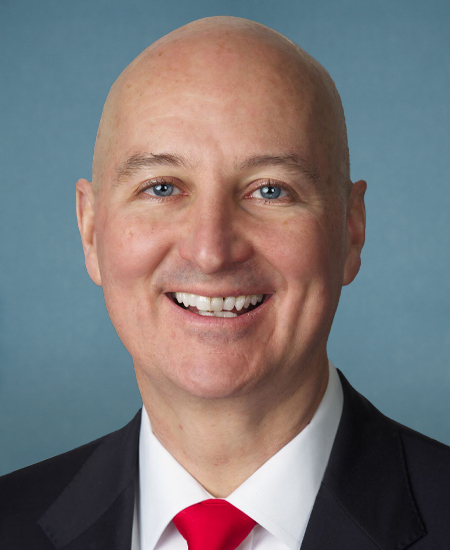
Kelly Introduces Bills to Smartly Integrate AI into U.S. Military
Bills require DoD to assess impact of AI on warfighter skills and keep humans in command of decisions involving the use of force Today, Senator Mark Kelly (D-AZ) introduced a two-bill package—the Ultimate Human Responsibility in Defense Systems Ac t and the Warfighter AI Readiness and Preparedness (WARP) Act —to make sure that as artificial intelligence is integrated in warfare the U.S. military preserves human judgement and accountability and protects the human skills that AI cannot replace. The Ultimate Human Responsibility in Defense Systems Act establishes statutory requirements to ensure autonomous weapon systems are developed, tested, and employed in a manner that preserves meaningful human judgment and accountability over the use of force. Similar legislation was introduced by Representative Suhas Subramanyam (D-VA-10) in the House. The WARP Act , introduced alongside Senator Tom Cotton (R-AR), directs the Department of Defense (DoD) to assess how increasing AI integration affects warfighter effectiveness, skill retention, and operational readiness. The two pieces of legislation build on Kelly’s AI for America , a roadmap he released last year outlining principles to make AI work for all Americans—not just large companies. “AI is already making our military more capable, but we have to be smart about how we integrate it to keep Americans safe,” said Sen. Kelly . “We can’t lose the essential skills that make our military the best in the world or implement systems that could make life and death decisions without human accountability. These bipartisan solutions will integrate AI into the military smartly so that we strengthen our national security.” “As AI and autonomous systems redefine warfare, we must ensure that our values and control are not sidelined. This bill ensures that a human operator can always oversee, override, or shut down an autonomous weapon. By pairing strict safety reviews with real-world training for our servicemembers, we are prioritizing both national security and accountability,” said Rep. Subramanyam. “In future conflicts, our military advantage will depend on leveraging AI as much as possible, and just as importantly, whether we can adapt and execute when AI systems fail. Our bill will ensure our military has the proper training to maintain their mission readiness in the AI age,” said Sen. Cotton. Background: As the U.S. military uses AI to move faster and make better decisions, adversaries like China and Russia are working to disrupt and disable those systems. As autonomous weapon systems become more advanced, the absence of clear requirements for human judgment and accountability over the use of force presents serious legal, ethical, and operational risks. The Ultimate Human Responsibility in Defense Systems Act establishes requirements to ensure that autonomous weapon systems and artificial intelligence capabilities used by the DoD are developed, tested, and employed in a manner that preserves meaningful human judgement and accountability over the use of force. The bill codifies and builds upon key principles contained in the current DoD Directive 3000.09 to: Establish a DoD-wide requirement for meaningful human judgement for autonomous weapon systems and artificial intelligence capabilities. Define “ultimate human responsibility” as ensuring human commanders and operators can understand, supervise, intervene in, or terminate the use of force and maintain compliance with U.S. and international law. Require all DoD autonomous weapon systems and artificial intelligence capabilities to be designed and operated in ways that preserve human oversight and accountability. Directs DoD to develop technical, operational, and organizational guidelines governing the military AI use and unlawful applications of AI. Modeling after reporting practices on aviation safety systems, create a centralized DoD database to track system failures, unintended behaviors, near misses, human-machine interaction failures, and targeting actions inconsistent with commander intent. As the DoD integrates artificial intelligence into military operations, AI is helping warfighters process information faster, make better-informed decisions, and enhance mission effectiveness. But as these systems become more deeply embedded, the military must also ensure that warfighters maintain the skills, judgment, and proficiency needed to operate effectively in contested environments and when technology does not perform as expected. The WARP Act helps ensure that AI strengthens military capability while preserving the critical human skills that underpin operational readiness. It directs DoD to: Assess how AI integration impacts warfighter readiness, skill retention, and operational effectiveness. Identify military roles where critical skills must be sustained as AI-enabled systems become more widely used. Determine how to preserve independent judgment and proficiency when AI systems are unavailable or compromised. Recommend updates to training, doctrine, and readiness policies to ensure warfighters can operate effectively in degraded or contested environments. Click here to read the full text of the Ultimate Human Responsibility in Defense Systems Act. Click here to read the full text of the WARP Act .
200e38c1-55a0-41a1-a2a7-1739447410deIssued within 24 hours
Other senators' releases published in the day before or after this one.