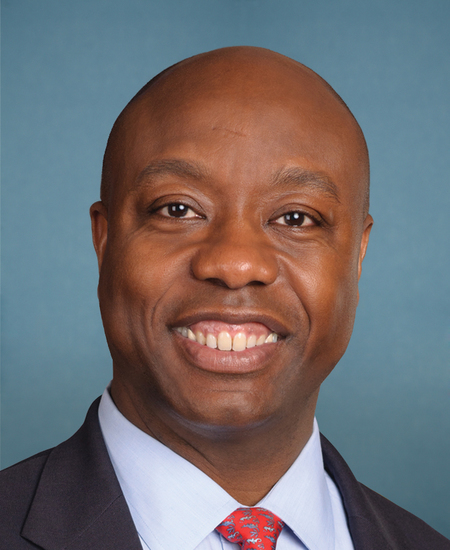
Sen. Tim Scott honors Lindsey Graham, highlights Banking Committee wins at South Carolina Business Council
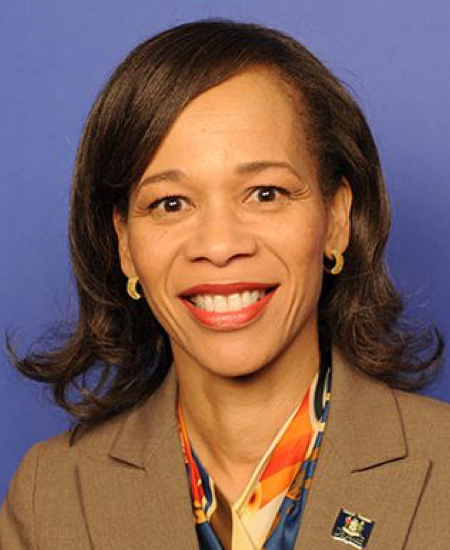
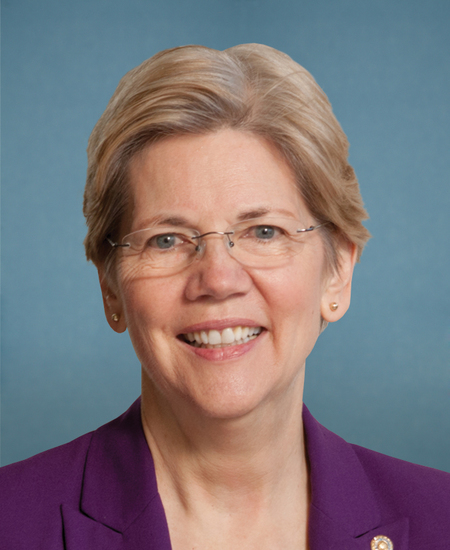
WASHINGTON — This week, U.S. Senator Tim Scott (R-S.C.) delivered remarks at a South Carolina Business Council gathering of industry and community leaders from across the Palmetto State in Washington. Sen. Scott honored the life and legacy of his friend and colleague, the late Sen. Lindsey Graham, and his decades of service to South Carolina. As chairman of the Senate Committee on Banking, Housing, and Urban Affairs, he also highlighted the landmark 21st Century ROAD to Housing Act, his work to establish clear rules of the road for digital assets, and the need for America to win the AI race. On Senator Lindsey Graham’s legacy: He was the kind of guy that would go the extra mile because he knew it was important to you. And to have someone who loves our state so much that no matter how inconvenient it is for him, no matter how challenging it might be for all of us — Lindsey was there. […] Most of us celebrate the Working Families Tax Cut bill, 97% of Americans received a tax cut, somewhere around $250 a month, or what we like to say is $5 trillion. The challenge, of course, is that me nor Lindsey know what $5 trillion look like, but we can understand $250. So, to have a guy who’s known for the Kavanaugh hearing, who’s known for foreign policy, who’s known for his strong, passionate defense of America, become your Budget chairman, it sent chills down the spines of every member of the United States Senate. But to produce two, not one, but two reconciliation vehicles and get it through our conference is a miracle like Peter walking on the water. And literally without his wit and his humor, we would not have passed the Working Families Tax Cut bill, we would not have secured the national security apparatus through the budget vehicle called reconciliation. So, Lindsey’s footprint, without any question, indelible imprints in the sand from a foreign policy perspective. But without doubt, the nation will benefit for generations because of the multi-trillion dollar tax cut that […] 97% of Americans are benefiting from. And as we celebrated my Opportunity Zones, there’s no doubt that they were embedded in the reconciliation vehicle so without that, we would not have Opportunity Zones 2.0 bringing over a $100 billion in its first iteration and to the poorest communities around the country and certainly the poorly named, I call it a high potential area, others called it the corridor of shame. If we’re going to bring more resources into the hardest hit areas of South Carolina, we’re going to have to be creative in bringing solutions to the table. On the 21st Century ROAD to Housing Act: As Chairman of the Banking Committee, I’ll say that we’ve had a lot of success. Most folks are shocked that we’ve had as much cooperation on the Banking Committee tackling some of the really important issues that all South Carolinians face and, frankly, Americans face. […] Humans like to see their kids do better. Doesn’t matter whether you’re a rich person or a poor person, if you’re a black person or a white person. It doesn’t matter if you’re a Tiger or a Carolina fan. It doesn’t matter whether you’re a Republican or Democrat, conservative or liberal, it just doesn’t matter. What you really want in the end, are more opportunities for your kids to do better than you did. On the Banking Committee, the 21st Century Housing bill really came together because we were able to find partnerships with folks like Elizabeth Warren and Senator Gallego and Senator Alsobrooks, and they partnered with Senator Rounds. […] We were able to pass a housing bill 24 to zero and bring much needed reg reform […] to our country because we had people, disparate interests coming together on one common ground. […] And to see the Banking Committee take on the challenge of overcoming their own obstacles and to bridge the gap of relationships to get something so powerful and meaningful done as housing reform. […] And we were able, with Senator Rounds working with a Democrat on the other side, to put NEPA reform for housing in the bill and get all the Democrats to pass that, that is just a really cool thing to watch when you see people put some of their political interests behind them in order to serve their communities. On the GENIUS Act and stablecoins: Another thing that’s really worked out very well for the long-term viability of our country really has to do with the GENIUS Act that makes our stablecoins a global phenomenon, number one. Number two, requires U.S. treasuries to back them, dollar for dollar. Number three, makes our U.S. currency more likely to remain the reserve currency of the world, because now more than $400 billion of treasuries are wanted and needed across the world because of the GENIUS Act. On the Clarity Act: Another part of our agenda that we were able to get out of committee in a bipartisan fashion is the Clarity Act, or our market structure legislation. […] It’s ultimately, I think, incredibly important that America remains a dominant economic superpower, which requires us to take a look at the future and make sure we work our way back from it, as opposed to trying to work our way towards it. Next week, we’ll have a hearing on our capital formation bill, which I think will be interesting, which is basically empowering Main Street as it relates to finding more access and more resources on the local level so that we have more business startups. On American leadership in AI: The one thing that we are concluding in this artificial intelligence future is that liberal arts education is going to be more important, not less important. The ability to think critically is going to be more important, not less important. […] The fact of the matter is that for us to have the kind of future we want to have, we are going to have to be not only critical in our thinking skills, but we’re going to have to be entrepreneurial because the job situation as it relates to artificial intelligence, I think is incredibly positive. And long term, we’re going to have more jobs not fewer jobs, but it will take a different skill set. […] Most of it, 95% of the conversation is about augmentation, which means the ability to do something better using AI, as opposed to eliminating something because of AI. […] But the truth of the matter is that 95% of the things that are done will be done by a human, plus AI, as opposed to AI and not a human. Some things really good news for the long-term job market, but we are facing something that is greater than even the potential of advancement. AI will help us solve cancer in a way that we can never do with the human eye. It’s already having impact today, but fear and trepidation around electricity prices, water utilization, and aesthetics will stop the AI revolution from happening in America first, and it will empower China to beat America on this front if we don’t get it right. It’s one of the reasons why the president was right when he decided to have an Executive Order that said, if you’re building a data center, that data center has to be self-sufficient. And if it is not, then it will not pass his test, which I think is good news. […] Yes, AI and the data centers will use more power but provide their own power, pay for it. So, what could happen ultimately is a subsidy for our electricity ratepayers, not a burden on our ratepayers. […] If we are going to embrace it as a society, we need to understand the benefits in our households, now. We need to understand that the electricity costs will be absorbed by them. We need to know that the water utilization will not deprive us. ###
20a3817b-0654-452d-b3f4-0517275686ddIssued within 24 hours
Other senators' releases published in the day before or after this one.