Pingree Urges USDA to Look Beyond Cotton in Push to Rebuild American Textiles
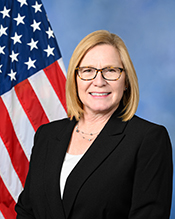
Congresswoman Chellie Pingree (D-Maine), a longtime organic farmer and leader in Congress for sustainable agriculture and reducing pollution from fast fashion, is calling on the U.S. Department of Agriculture (USDA) to strengthen federal support for American-grown and American-made natural fibers. In a letter to USDA Secretary Brooke Rollins , Pingree urged the Department to build on its recently announced “ Great American Cotton Plan ” by expanding its focus to include other plant- and animal-based fibers, including hemp, flax, wool, alpaca, and leather. Pingree also requested information on existing USDA programs, authorities, and data collection efforts that could support domestic natural fiber production and processing. “As global trends have impacted the economics of producing textiles and apparel outside the U.S., there is a critical need to reshore production of American-made textiles and to ensure more sustainable textile production,” Pingree wrote. “The United States Department of Agriculture plays an important role in supporting these efforts and revitalizing the sustainable fibers industry in the U.S.” According to the Textile Materials Market Report, synthetic fibers accounted for approximately 65 percent of global fiber production in 2022, with polyester ranking as the most widely used fiber. In contrast to synthetic fibers, which shed microfibers that pollute waterways, land, and air, natural fibers may have a lower environmental footprint and can also be grown and raised in ways that sequester carbon and provide additional co-benefits to producers, such as improved soil health and reduced inputs like pesticides. “As global fiber production continues to increase, it is critical to support the production and processing of additional plant-based fiber crops, such as hemp and flax, and animal-based fibers such as wool, alpaca, and leather, as the USDA considers reshoring fiber production,” Pingree continued. In the letter, Pingree noted that natural fiber production aligns with multiple USDA mission areas, including farm production and conservation, domestic and international marketing of U.S. agricultural products, rural economic opportunity, and providing farmers and ranchers with opportunities to compete in the global marketplace. Pingree requested USDA provide information on: Existing programs and authorities that can support natural fiber production and processing; USDA data collection on fiber production in the United States, specifically whether the USDA Census of Agriculture includes data on fiber crops such as flax and hemp; Examples of USDA funding supporting natural fiber production and processing; Barriers to addressing existing gaps in the natural fiber textile supply chain; Whether USDA is evaluating approaches to reduce the use of synthetic pesticides in fiber production, and how such considerations are being incorporated into current or future programs; How the goals, tools, or findings of the Great American Cotton Plan may inform USDA’s strategies for other fiber crops and materials. The full text of Pingree’s letter is available here and copied below. Pingree has been a national leader in pushing for a more sustainable textile economy. She is the founder and chair of the Congressional Slow Fashion Caucus, which aims to raise awareness about textile waste, pollution, labor concerns, and develop policies that support circular, sustainable, and domestically produced materials. +++ Dear Secretary Rollins, I am writing regarding the production and processing of natural fibers, specifically plant and animal-based fibers. As global trends have impacted the economics of producing textiles and apparel outside the U.S., there is a critical need to reshore production of American- made textiles and to ensure more sustainable textile production. The United States Department of Agriculture (USDA) plays an important role in supporting these efforts and revitalizing the sustainable fibers industry in the U.S. I appreciate USDA’s recently announced Great American Cotton Plan, which aims to strengthen domestic cotton production and provide new opportunities for American growers. As USDA proceeds with the implementation of this plan, I urge USDA to expand the plan to include additional natural fiber crops and materials. I also request USDA examine existing programs that can support natural fiber production and processing. As global fiber production continues to increase, it is critical to support the production and processing of additional plant-based fiber crops, such as hemp and flax, and animal-based fibers such as wool, alpaca, and leather, as the USDA considers reshoring fiber production. According to the Textile Materials Market Report, in 2022, synthetic fibers made up approximately 65 percent of global fiber production, with polyester being the most widely used fiber. In contrast to synthetic fibers, which shed microfibers that pollute waterways, land, and air, natural fibers may have a lower environmental footprint and can also be grown and raised in ways that sequester carbon and provide additional co-benefits to producers, such as improved soil health and reduced inputs like pesticides. Natural fiber production and processing is relevant to multiple USDA mission areas, including farm production and conservation, facilitating domestic and international marketing of U.S. agricultural products, supporting opportunity and economic security for people and communities in rural America, and providing our farmers and ranchers with opportunities to compete in the global marketplace. In light of these priorities and USDA’s new initiatives, I request that the USDA provide the following information: Existing programs and authorities that can be used to support natural fiber production and processing; USDA data collection on fiber production in the United States, specifically whether the USDA Census of Agriculture includes data on fiber crops such as flax and hemp; Examples of USDA funding supporting natural fiber production and processing; Barriers to addressing existing gaps in the natural fiber textile supply chain; Whether USDA is evaluating approaches to reduce the use of synthetic pesticides in fiber production, and how such considerations are being incorporated into current or future programs; How the goals, tools, or findings of the Great American Cotton Plan may inform USDA’s strategies for other fiber crops and materials. I appreciate learning more about existing support from the USDA to enhance natural fiber products and ask for your commitment to working with Congress to enhance the production and processing of natural fibers. Sincerely, ###
26e93dfd-0c71-44b3-911a-920d0f27946aIssued within 24 hours
Other senators' releases published in the day before or after this one.