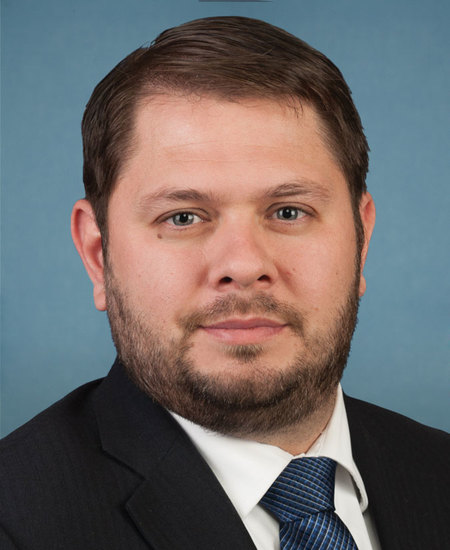
Gallego, Banks Urge Trump Administration to Shore Up 6G Security
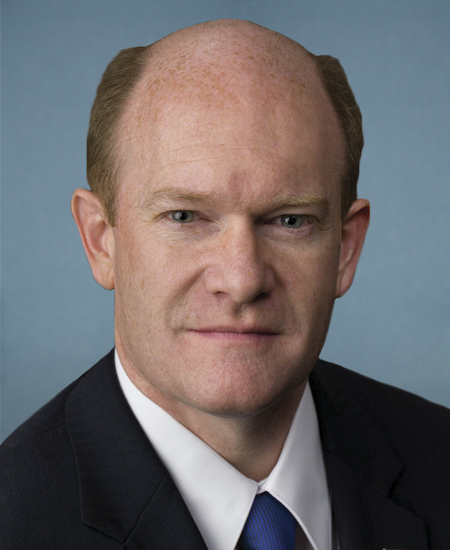
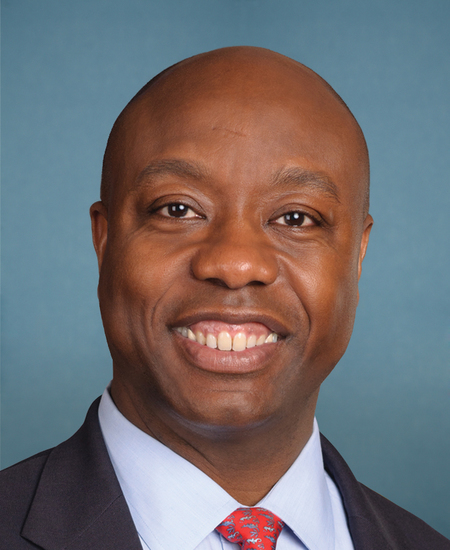
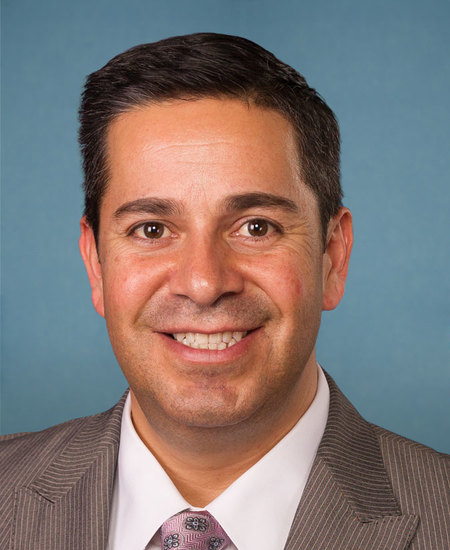
WASHINGTON – Today, Senators Ruben Gallego (D-AZ) and Jim Banks (R-IN) wrote to Secretary of State Marco Rubio urging him to coordinate with allies to secure next-generation mobile telecommunications systems and infrastructure in the United States and around the globe. Specifically, the senators called on the Trump administration to name a U.S. head of delegation for the 2027 World Radiocommunication Conference (WRC-27), coordinate with allies on the security threat posed by China and strengthen U.S. leadership on 6G and satellite technology. The letter comes ahead of the WRC-27, slated to begin in Shanghai in October 2027, where nations will decide standards governing the 6G networks that will underpin global communications for the next decade or more. It also follows Senator Gallego’s attendance at the United Nations General Assembly in New York and comes after President Trump hosted Chinese President Xi Jinping for a summit in Washington. “Designating a delegation lead would help the United States avoid a repeat of WRC-23, when the then-head of the U.S. delegation had to be replaced on short notice mid-preparation,” wrote the senators. “We cannot afford to enter WRC-27 under similar conditions.” In 2012, Congress identified China-based Huawei, one of the four major network equipment manufactures globally, as a security risk, and the largest U.S telecommunications service providers — including AT&T, T-Mobile, and Verizon — chose not to use Chinese-made network equipment. However, smaller U.S. providers continued to purchase Huawei and ZTE for their networks, asserting the Chinese providers offered less expensive equipment and end-to-end support. Huawei also maintains a large footprint in Europe and Africa, where its equipment carries vast amounts of sensitive communications and data, giving China a potential avenue into critical infrastructure and greater leverage over networks the United States and its allies depend on. Naming a U.S. head of delegation now, before those standards are set, will help ensure those standards reflect U.S. and allied interests rather than Chinese influence. “On matters as consequential as the technical rules for the next generation of global communications, the U.S. should set a clear lead and force our adversaries to play catch-up — not the other way around,” the senators concluded. Read the full letter HERE .
2936b884-d17b-4bf8-af61-83624e3c77aeIssued within 24 hours
Other senators' releases published in the day before or after this one.