Curtis, Rosen Introduce Bill to Counter Chinese Sabotage of Taiwan’s Undersea Cables
Bipartisan legislation aims to protect Taiwan’s undersea communication cables against “gray zone tactics” used by China
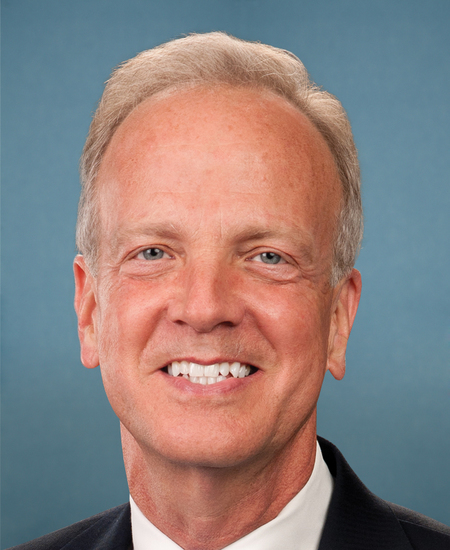
Washington, D.C.– U.S. Senators John Curtis (R-UT) and Jacky Rosen (D-NV), members of the Foreign Relations Committee, todayintroducedtheTaiwan Undersea Cable Resilience Initiative Act, bipartisan legislation that would protect Taiwan’s critical communications infrastructure and deter malicious “gray zone” activities by the People’s Republic of China (PRC). The cables—critical for global communication and commerce—have been a primary target of the PRC for undercover sabotage to undermine Taiwan’s security and sovereignty.
“We can’t stand idle as China ramps up its tactics to isolate Taiwan, including by sabotaging its vital undersea cables,”said Senator Curtis.“By improving systems monitoring and helping increase cable resiliency, our bipartisan legislation sends a clear message: the United States stands with Taiwan and our allies in defending shared infrastructure, sovereignty, and freedom.”
“The Chinese Communist Party’s ongoing efforts to target Taiwan’s undersea cable infrastructure don’t just threaten Taiwan’s national security, but connectivity and communication around the world,”said Senator Rosen.“Senator Curtis and I are introducing this bipartisan legislation to bolster collaboration between our two nations in order to protect these underground cables and impose sanctions on any adversary that targets this critical infrastructure. I will continue to push back on China’s growing aggression, and its attempts to undermine democracy.”
Background:
Undersea cables are the invisible backbone of modern communication, enabling everything from internet access, communication, and economic transactions to military coordination. For Taiwan—a vital democratic partner for the U.S. in the Indo-Pacific—these cables are an essential lifeline that China has been sabotaging using “gray zone” tactics. These activities fall below the threshold of traditional warfare, allowing authoritarian regimes to exert pressure and destabilize democracies while avoiding direct military confrontation.
Disrupting undersea cables is a key part of China’s military strategy tocrippleTaiwan’s communication in a conflict. In February 2023, two of Taiwan’s undersea internet cables wereseverednear the Matsu Islands, causing widespread outages. The incidents were linked to vessels suspected of deliberate interference. In January 2025, Taiwan’s Chunghwa Telecom reporteddamageto an international undersea cable near a “suspicious vessel” identified as the Chinese-linked cargo ship Shunxin39. Shortly afterward, Taiwan’s Coast Guardseizedanother ship—Hong Tai 58—suspected of deliberate sabotage. Since 2023, there have been at least 11 reported cases of cable disruption around Taiwan.
To counter China’s “gray zone” tactics and help safeguard Taiwan’s national security, theTaiwan Undersea Cable Resilience Initiative Actmandates the establishment of an initiative, led by the Secretary of State and in coordination with other agencies, to prioritize the protection and resilience of undersea cables near Taiwan.
Specifically, theTaiwan Undersea Cable Resilience Initiative Actwould:
The full text of the bill can be foundhere.
2d243282-cf18-40fa-aff7-3535962ab0beIssued within 24 hours
Other senators' releases published in the day before or after this one.