Pueblo Leaders, N.M. Delegation Press to Keep 10-Mile Buffer Protecting Chaco Canyon
GRANTS, N.M. — Thirteen current and former Pueblo governors and lieutenant governors joined members of New Mexico’s congressional delegation outside the U.S. Capitol on Tuesday, urging Congress and the administration to maintain a 10-mile buffer that restricts new oil, gas, and exploratory mining around Chaco Culture National Historical Park.
“Chaco Canyon is one of the world’s greatest treasures and it is vital that it is protected for our future generations,” U.S. Sen. Ben Ray Luján said in a statement shared with theCibola Citizen.“As one of only a handful of World Heritage Sites in the United States, Chaco Canyon holds deep spiritual and cultural significance for our Tribes and Pueblos.” Luján noted he has reintroduced legislation this year to permanently protect Chaco Canyon and the Greater Chaco Region.
The show of unity from Pueblo leaders — including representatives of the Pueblos of Acoma and Laguna — comes as federal officials reconsider a 2023 Interior Department order that withdrew federal minerals from new leasing within 10 miles of the park for 20 years. In May of this year, the U.S. Bureau of Land Management notified several Pueblo leaders that it was weighing whether to revoke that withdrawal. Tribal leaders say the reversal would undermine years of consultation and threaten a living cultural landscape; industry advocates and some local stakeholders argue it would limit economic opportunity in one of the nation’s busiest gas-producing basins.
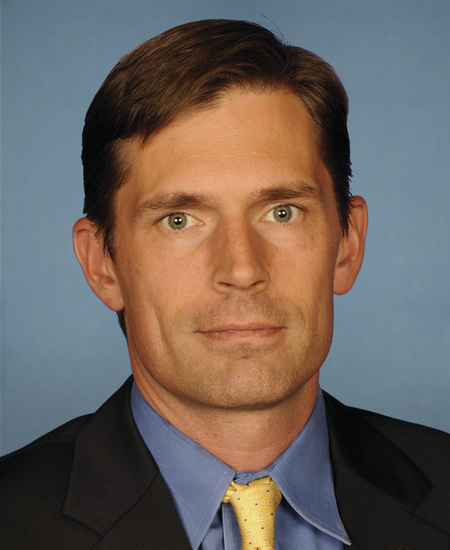
“This is your nation’s capital; Chaco Canyon is our nation’s capital,” said Santo Domingo Pueblo Lt. Gov. Raymond Aguilar Jr., standing alongside U.S. Sen. Martin Heinrich and U.S. Reps. Teresa Leger Fernández and Melanie Stansbury, all Democrats. Heinrich urged Interior Secretary Doug Burgum to visit the site before any decision: “Come out, see this with your own eyes. Walk these grounds, meet with the people whose identities are so intricately connected to this place.”
Stansbury framed the debate in spiritual terms. “Can you imagine allowing oil and gas drilling in the heart of a church? This place is holy. It must be protected.”
Pueblo leaders said that their push this week is about safeguarding cultural heritage for the long term.
“We come as a united front to show that all Pueblo leaders are behind us and that we can work as one,” said Pueblo of Acoma Gov. Charles Riley. “We hope and pray that time goes on, not for ourselves, not for our kids, not for our grandkids, but for those future generations of our people, that they too, can be afforded that sacred place.”
Cochiti Pueblo Lt. Gov. Jeff Suina, in Washington this week, described Chaco as “a sacred site… very cherished and hallowed, almost like visiting a memorial or a relatives’ grave site.”
What’s at Stake
Chaco Culture National Historical Park is a UNESCO World Heritage Site in northwestern New Mexico — it is at the heart of a broad cultural landscape that Pueblo, Diné (Navajo), and other Indigenous communities say extends well beyond the park’s boundaries.
The 10-mile buffer set in 2023 was intended to protect that landscape from new federal leasing. Existing leases and private, state, and tribal lands were not directly affected by the federal withdrawal.
Members of New Mexico’s congressional delegation reintroduced legislation in April to permanently codify the buffer around Chaco. A competing bill from U.S. Rep. Eli Crane, R-Ariz., would rescind the withdrawal. Meanwhile, the Navajo Nation sued the Interior Department in January to overturn the 10-mile restriction, arguing that the agency failed to adequately consider a 5-mile alternative and that Navajo allottees in the area depend on royalty income from oil and gas.
“This area remains one of the least economically developed places in the United States, and Navajo allottees residing in this rural region rely heavily on royalty payments,” the lawsuit states. The case was paused in July as the Interior Department undertakes a wider review of federal land withdrawals, including the Chaco buffer. The All Pueblo Council of Governors has passed a resolution supporting the 10mile protection; Acoma and Laguna have joined the litigation on the side of the Interior Department to keep the buffer in place.
Local Impact for Cibola
County
For communities in Cibola County — home to both Acoma and Laguna Pueblos — Chaco protections are more than a policy debate.
Leaders say the outcome will shape cultural stewardship, heritage tourism, and land-use decisions for decades. The site, located in the San Juan Basin, sits amid active energy development; supporters of the buffer argue that safeguarding the cultural landscape and sacred sites is compatible with broader regional planning, while opponents emphasize economic needs and private mineral rights.
Luján, who as a House member in 2019, helped pass a Chaco protection bill and convened a field hearing on methane pollution in Santa Fe, said Pueblo leaders’ presence in Washington this week underscores the urgency. “With so many Pueblo leaders in D.C., it is clear that protecting Chaco Canyon and the Greater Chaco Region is a top priority, and I am committed to continue fighting to ensure we protect it for generations to come.”
The office of Navajo Nation President Buu Nygren did not respond to a request for comment.
30788609-e31a-4103-a4fa-c70bb5680538Issued within 24 hours
Other senators' releases published in the day before or after this one.