King, Hoeven Fight for Potato Farmers, Call for Investigation into Canadian Trade Practices
March 18, 2026
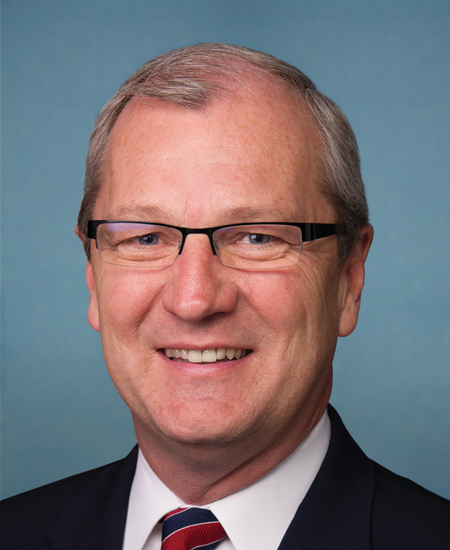
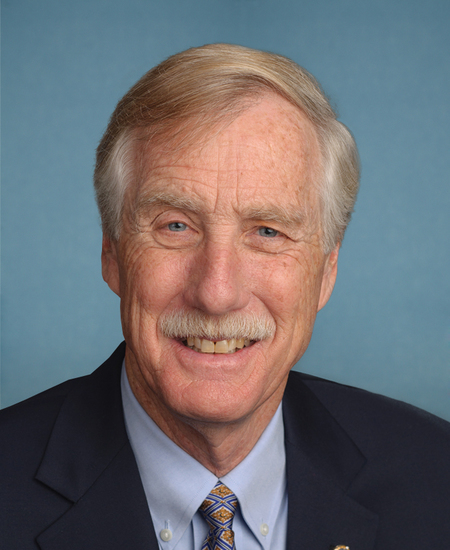
WASHINGTON, D.C. — U.S. Senators Angus King (I-ME) and John Hoeven (R-ND) led a bipartisan effort calling for an investigation into unfair Canadian trade practices that are harming U.S. potato producers. In a letter to U.S. International Trade Commission (ITC) Chair Amy Karpel and Commissioners David Johanson and Jason Kearns, the senators outline how Canadian federal and provincial policies impose competitive disadvantages on U.S. producers. In the letter also signed by Senator Susan Collins (R-ME), the senators also raise concerns regarding recent antidumping duties imposed by the Province of British Columbia on U.S. fresh potatoes, noting the antidumping policies do not reflect any realistic market conditions.
Antidumping laws intend to prevent foreign producers from undercutting domestic potato farmers by selling at a cheaper price, however the senators argue current Canadian antidumping laws are misguided and harming U.S. producers.
“Canada is one of the most important export markets for U.S. fresh and processed potatoes, with annual trade valued in the hundreds of millions of dollars. A stable, transparent, and rules-based trading relationship with Canada is therefore essential to the continued viability of potato producers in our states. Unfortunately, recent developments have raised concerns among U.S. growers regarding whether current trade conditions are fair, and consistent with international law and trade agreements,” the senators wrote .
“Producers in the Upper Midwest and Northeast in particular, have emphasized the importance of understanding whether these policies are materially affecting competition, investment decisions, and long-term market balance in regions where U.S. and Canadian potato industries have historically been closely integrated,” the senators continued.
“We believe that Congress, the administration, and U.S. potato producers would benefit from a clear, objective, and comprehensive assessment of the facts provided by a Section 332 investigation. A Commission investigation could examine trade flows, pricing trends, cost structures, and government support measures, as well as the cumulative effects of these factors on U.S. producers, processors, and rural economies in potato-producing states,” the senators concluded.
In addition to King and Hoeven, the letter was signed by U.S. Senators Steve Daines (R-MT), Michael Bennet (D-CO), Susan Collins (R-ME), Maria Cantwell (D-WA), Kevin Cramer (R-ND), Patty Murray (D-WA), Tim Sheehy (R-MT), Tammy Baldwin (D-WI), John Hickenlooper (D-CO), and Elissa Slotkin (D-MI).
Senator King is a staunch advocate for the Maine agriculture industry. Earlier this year, he called on the Trump Administration to ensure its relief for specialty crop farmers addresses the needs of blueberry, potato, and apple farmers across Maine. He also introduced bipartisan legislation to reauthorize and strengthen the Agricultural Management Assistance (AMA) programs, which help farmers manage financial risk through diversification, marketing, or conservation practices. Last year, he introduced the American Grown Act , bipartisan legislation to prioritize domestic horticulturists and farmers, and strengthen the American floral industry. Senator King cosponsored the Honor Farmer Contracts Act which released withheld federal funding and allocated it back to farmers as Congress had intended. Additionally, he is an original sponsor of the bipartisan Dairy PRIDE Act which combats the mislabeling of non-dairy products and requires accurate labeling of dairy and non-dairy products as mislabeling is harmful to dairy farmers selling their products in a crowded marketplace. Senator King also cosponsored the Dairy Pricing Opportunity Act to direct the U.S. Department of Agriculture (USDA) to give milk producers a greater voice in dairy pricing.
The full text of the letter can be found here and below.
+++
Dear Chair Karpel and Commissioners Johanson and Kearns:
We write as United States Senators representing states with significant potato production to respectfully request that the United States International Trade Commission initiate a fact-finding investigation pursuant to Section 332 of the Tariff Act of 1930 to examine the trade conditions affecting the U.S. potato industry in relation to Canada.
Canada is one of the most important export markets for U.S. fresh and processed potatoes, with annual trade valued in the hundreds of millions of dollars. A stable, transparent, and rules-based trading relationship with Canada is therefore essential to the continued viability of potato producers in our states. Unfortunately, recent developments have raised concerns among U.S. growers regarding whether current trade conditions are fair, and consistent with international law and trade agreements.
Potato producers across the Upper Midwest, the Northeast, and other potato-producing regions have long raised concerns about competitive disadvantages in the U.S. market that may be linked to Canadian federal or provincial policies. These concerns include the potential impact of government programs, freight or transportation advantages, and other structural supports that may affect production costs or pricing behavior. When combined with exchange rate dynamics, these factors may be contributing to market distortions that allow Canadian potatoes to be sold in the United States at prices U.S. growers struggle to match.
Producers in the Upper Midwest and Northeast in particular, have emphasized the importance of understanding whether these policies are materially affecting competition, investment decisions, and long-term market balance in regions where U.S. and Canadian potato industries have historically been closely integrated.
As well, we are concerned by the continued application—and recent escalation—of antidumping duties imposed by the Province of British Columbia on certain U.S. fresh potatoes. Although these duties stem from an antidumping determination made more than four decades ago, changes implemented in mid-2025 dramatically increased the applicable trigger price. Growers in Washington State report that the new trigger price exceeds any recent market price for the affected varieties, sizes, and packaging, effectively shutting U.S. potatoes out of the British Columbia market and resulting in millions of dollars in lost exports. These actions raise serious questions, and We believe it is appropriate for the Commission to examine the origins, administration, and present-day impacts of this long-standing antidumping measure.
We believe that Congress, the administration, and U.S. potato producers would benefit from a clear, objective, and comprehensive assessment of the facts provided by a Section 332 investigation, particularly ahead of the upcoming USMCA joint review. A Commission investigation could examine trade flows, pricing trends, cost structures, and government support measures, as well as the cumulative effects of these factors on U.S. producers, processors, and rural economies in potato-producing states.
Thank you for your consideration of this request, and we appreciate the Commission’s longstanding role in providing Congress with rigorous, nonpartisan trade analysis.
Sincerely,
###
31d1886c-f376-4525-b7d4-779c56e269b7Issued within 24 hours
Other senators' releases published in the day before or after this one.