Pingree Presses Zeldin for Action as EPA Leaves Farmers in Limbo on PFAS-Contaminated Sludge
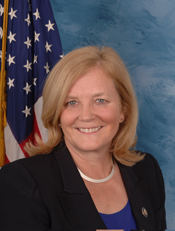
Congresswoman Chellie Pingree (D-Maine), Ranking Member of the House Appropriations Subcommittee on Interior, Environment, and Related Agencies, is pressing Environmental Protection Agency (EPA) Administrator Lee Zeldin to stop delaying meaningful federal action on per-and polyfluoroalkyl Substances (PFAS) in sewage sludge. In a letter to Zeldin , Pingree warns that EPA’s latest draft guidance fails to provide a clear path toward enforceable protections for farmers, rural communities, and the nation’s food supply. The guidance was issued instead of finalizing EPA’s January 2025 draft risk assessment—which would have been an important step toward restricting the application of PFAS-contaminated sewage sludge, also known as biosolids, on farmland. “As you and I have discussed at length, PFAS chemicals have been linked to serious health effects, including cancer, reproductive and developmental harms, and weakened immune systems. Maine farmers have had their livelihoods disrupted due to PFAS contamination, which originated in sewage sludge that was spread as fertilizer by farmers who were told by the government that it was safe to use,”Pingree wrote. “Unfortunately, this sewage sludge contained PFAS, leading to contamination of agricultural land, products, and water.” Maine has been at the forefront of testing, cleanup, and research into PFAS contamination of farmland. An extensive state investigation found contamination on more than 50 farms linked to sewage sludge application. Farmers have lost income, faced threats to their livelihoods, and experienced health problems after unknowingly spreading contaminated sludge that government authorities had said was safe. Yet instead of completing its risk assessment and tightening protections for farmers and rural communities, Trump’s EPA released draft guidance this summer that leaves its regulatory plans unresolved. “[...] Rather than finalizing this risk assessment, the Agency’s release of Draft Guidance for Reducing Risk from PFOA and PFOS in Biosolids leaves regulatory next steps unclear and farmers in limbo,” Pingree said. With the public comment period on the guidance scheduled to close October 5, Pingree is calling on Zeldin to explain: Whether EPA intends to finalize its draft sewage sludge risk assessment for PFOA and PFOS; What scientific review supports a decision not to finalize it; How EPA will prevent further contamination and protect farmers from the unique exposure risks created by land application of sewage sludge; When EPA will propose enforceable limits on land application; Whether EPA will address PFAS chemicals beyond PFOA and PFOS; and How EPA is working with the Department of Agriculture to help farmers, ranchers, and rural communities manage PFAS contamination. “Without additional action by EPA, farmers across the country will continue to be at heightened risk from PFAS exposure from land application of biosolids,” Pingree wrote. “It is critical that EPA takes additional steps to protect our rural communities and food supply.” The full letter is available here and is copied below. +++ Dear Administrator Zeldin, I write to you regarding the Environmental Protection Agency’s (EPA) efforts to reduce risk from per-and polyfluoroalkyl Substances (PFAS) in sewage sludge, also known as biosolids. As you and I have discussed at length, PFAS chemicals have been linked to serious health effects, including cancer, reproductive and developmental harms, and weakened immune systems. Maine farmers have had their livelihoods disrupted due to PFAS contamination, which originated in sewage sludge that was spread as fertilizer by farmers who were told by the government that it was safe to use. Unfortunately, this sewage sludge contained PFAS, leading to contamination of agricultural land, products, and water. Maine is far from the only state in this situation, but we have been on the front lines on testing, cleanup, and research. An extensive state investigation found contamination found on over 50 farms because of sewage sludge. These farmers have had their livelihoods lost or threatened and experienced health problems. This is an issue across the country whether states are taking action or not, and it is imperative the federal government, and EPA specifically, continues to advance research and remediation efforts to protect our food supply and rural economies, including by actively preventing additional contamination. EPA’s Draft Sewage Sludge Risk Assessment for Perfluorooctanoic Acid (PFOA) and Perfluorooctane Sulfonic Acid (PFOS), released in January 2025, was an important step towards eventual restrictions on applying contaminated sludge to farmland, but rather than finalizing this risk assessment, the Agency’s release of Draft Guidance for Reducing Risk from PFOA and PFOS in Biosolids leaves regulatory next steps unclear and farmers in limbo. Please respond to these questions by November 16, 2026 : Does EPA intend to finalize the Draft Sewage Sludge Risk Assessment for Perfluorooctanoic Acid (PFOA) and Perfluorooctane Sulfonic Acid (PFOS)? If not, how is that decision documented, and what scientific review supported that conclusion? If not, how does EPA intend to prevent additional land contamination and protect farmers specifically from the additional, unique exposure pathways they face from land application of sewage sludge? What are EPA’s next steps to propose enforceable regulatory limits on land application of sewage sludge? Does EPA plan to expand its focus beyond PFOA and PFOS to other types of PFAS contamination? How is EPA working with USDA to help farmers, ranchers, and rural communities manage PFAS impacts in agricultural settings? Without additional action by EPA, farmers across the country will continue to be at heightened risk from PFAS exposure from land application of biosolids. It is critical that EPA takes additional steps to protect our rural communities and food supply. Thank you for your attention to this matter. Sincerely, ###
4467f91c-c7f4-49dd-93c6-34c8145be83fIssued within 24 hours
Other senators' releases published in the day before or after this one.