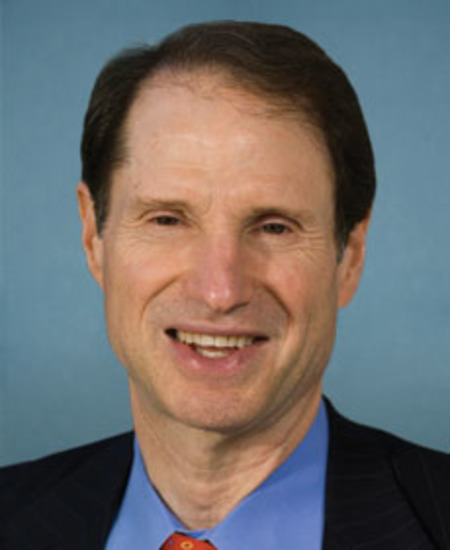
Hirono Presses Hegseth on Critical Munitions Inventory, Raises Alarms About Readiness Impacts
“ I write to express my deep and continuing concern regarding the state of the United States military’s critical munitions inventory.” WASHINGTON, D.C. – Today, U.S. Senator Mazie K. Hirono (D-HI), Ranking Member of the Senate Armed Services Committee Subcommittee on Readiness and Management Support, pressed U.S. Department of Defense (DOD) Secretary Pete Hegseth on the state of the United States military’s critical munitions inventory, following reports of depleted weapons shortages as a result of the ongoing illegal war in Iran. In a letter to Secretary Hegseth, Senator Hirono raised alarms about the impacts of munitions shortages on the United States military’s overall readiness, demanding an accurate update on the impacts of these shortages. “A recent Washington Post report details a disturbing confrontation at Camp David last week, where President Trump reportedly expressed frustration over being misled regarding the severity of offensive and defensive weapons shortages in pursuit of this illegal war in Iran. I note what was not said – how the shortages are negatively impacting overall military readiness and our ability to deter aggression in the Indo-Pacific. Despite the President and your own dismissals of the reporting as “NOT TRUE”, your recent $87 billion-dollar supplemental funding request to Congress includes $21 billion alone for “munitions procurement”, highlighting the urgency of this issue,” wrote Senator Hirono. In her letter, Senator Hirono outlined that even prior to the war in Iran, Congress had expressed concerns over the alarming state of the United States military’s munitions inventory, especially if the United States were to be pulled into a large-scale military conflict with a near peer adversary. She highlighted how the ongoing munitions expenditures in the Middle East at an unsustainable rate could create a strategic vacuum in other theaters, including the Indo-Pacific. “This leaves the United States unacceptably vulnerable to aggression from near-peer adversaries like China ,” she continued. Senator Hirono demanded that DOD provide prompt and accurate responses, including a classified accounting of munitions stockpile levels prior to the Iran War; an assessment of how critical munitions shortages have affected military options, strike planning, and defense postures during the ongoing conflict; the mitigation strategies at DOD to ensure deterrence is not compromised in the Indo-Pacific; and resources required to replenish and bolster the munitions inventory. The full letter is available here and below: Dear Secretary Hegseth, I write to express my deep and continuing concern regarding the state of the United States military’s critical munitions inventory. Even prior to the war in Iran, senior military leaders, defense analysts, and members of Congress were worried about the alarming state of our inventory, especially if the United States was pulled into a large-scale military conflict with a near-peer adversary. This illegal, five-month war with Iran has only exacerbated these concerns because of the expenditure of hundreds of offensive precision guided missiles and air-defense interceptors, leaving our arsenal dangerously depleted. A recent Washington Post report details a disturbing confrontation at Camp David last week, where President Trump reportedly expressed frustration over being misled regarding the severity of offensive and defensive weapons shortages in pursuit of this illegal war in Iran. I note what was not said – how the shortages are negatively impacting overall military readiness and our ability to deter aggression in the Indo-Pacific. Despite the President and your own dismissals of the reporting as “NOT TRUE”, your recent $87 billion-dollar supplemental funding request to Congress includes $21 billion alone for “munitions procurement”, highlighting the urgency of this issue. By expending critical munitions at an unsustainable rate in the Middle East, the Department is creating a severe strategic vacuum in the Indo-Pacific. This leaves the United States unacceptably vulnerable to aggression from near-peer adversaries like China. To fulfill my constitutional oversight responsibilities, I request that the Department provide answers to the following questions no later than August 31, 2026: A complete, classified accounting of current stockpile levels for all critical munitions, along with an accounting of the stockpile levels prior to the start of the Iran War in February 2026. For purposes of this request, “critical munitions” are defined as the fourteen priority weapons systems identified by the Pentagon’s Munitions Acceleration Council (MAC). To what extent have critical munitions shortages influenced or restricted military options, strike plans, or defense postures in the ongoing war with Iran? What specific mitigation strategies is the Department executing to ensure that expenditures in the Middle East do not compromise our deterrence posture and forward-deployed units in the Indo-Pacific? The MAC is the Department’s primary body established to rapidly scale up critical munitions production. What steps is the MAC currently taking to expand critical munitions procurement, and what additional authorities or actions may Congress consider to help with this process? Given that manufacturing lead times for critical munitions often span years, what is the realistic timeline for the restoration of inventories to pre-Iran War levels in February 2026? What is the realistic timeline for bolstering the inventory of critical munitions to the level required by U.S. Pacific Command’s operational plan (OPLAN) related to a potential conflict with China over Taiwan? The cost disparity between expensive U.S. missile interceptors and cheap one-way attack drones has been highlighted in the Iran War, with the cost ratio often exceeding 100 to 1, an unsustainable amount not only for this illegal war, but also potential wars of the future with near-peer competitors. What steps is the Department taking to actively develop and procure cheaper low-cost interceptors and offensive strike missiles in order to address this problem? I appreciate your prompt attention to these questions and expect a timely and complete response. Sincerely, ###
4771853f-7f8b-4f4a-88fb-3fa443f397aeIssued within 24 hours
Other senators' releases published in the day before or after this one.