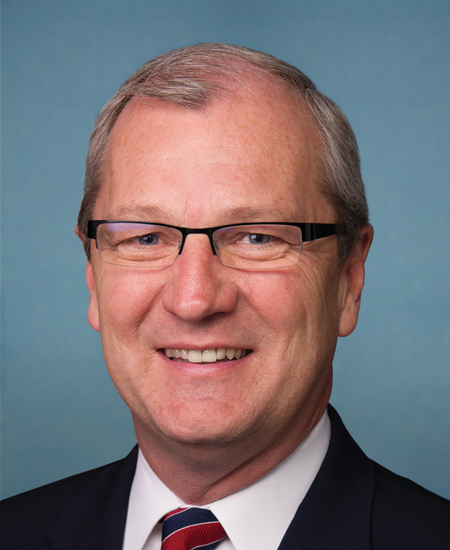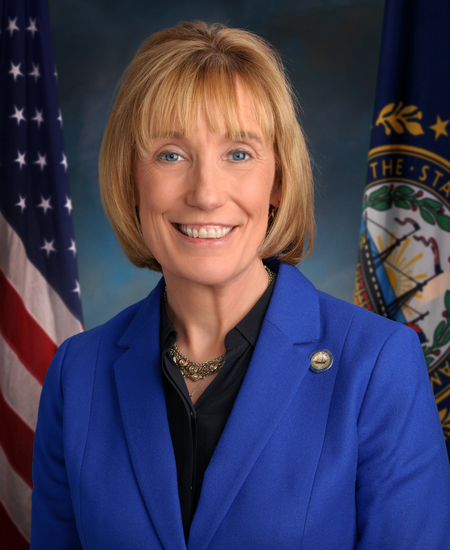
Senators Hassan, Justice Introduce Bipartisan Bill to Eliminate Delays in Accessing Gold Standard Addiction Treatment
TheNo Red Tape for Addiction Treatment ActWould Remove Bureaucratic Barriers to Life-Saving Medication
WASHINGTON – U.S. Senators Maggie Hassan (D-NH) and Jim Justice (R-WV) introduced bipartisan legislation to help ensure that people who are struggling with addiction can access life-saving medication-assisted treatment (MAT) – the gold standard of addiction care – without dangerous delays. TheNo Red Tape for Addiction Treatment Actwould eliminate prior authorization requirements for people with Medicaid coverage who need medication-assisted treatment for opioid addiction, removing a bureaucratic barrier that can leave patients waiting days to fill their prescriptions when every moment counts.
“The fentanyl crisis continues to devastate communities in New Hampshire and across the country, and when someone takes the courageous step to seek treatment, bureaucratic red tape should not stand in their way,”said Senator Maggie Hassan. “Medication-assisted treatment is the gold standard for treating opioid use disorder, and this commonsense bipartisan bill will help ensure that people grappling with addiction have immediate access to this evidence-based, life-saving medication. I am grateful for Senator Justice’s partnership on this bipartisan effort to remove barriers to treatment and help save lives.”
“When someone asks for help, the answer shouldn’t be a stack of paperwork. This legislation cuts through the red tape and puts lifesaving addiction treatment where it belongs — in the hands of doctors for patients that need them. TheNo Red Tape for Addiction Treatment Actis commonsense, protects our families, and gives West Virginians and Americans a second chance at life,”said Senator Jim Justice.
Under current law, many patients who seek treatment and receive a prescription for MAT are forced to wait days for Medicaid to authorize payment, drawing out the window during which they remain at high risk for deadly overdose. This bipartisan bill requires that:
Organizations that support theNo Red Tape for Addiction Treatment Actinclude: American Society of Addiction Medicine, American College of Emergency Physicians, Mental Health America, Partnership to End Addiction, Zero Overdose, Legal Action Center, Opioid Prevention Initiative, Anxiety and Depression Association of America, International Society of Psychiatric-Mental Health Nurses, National Alliance on Mental Illness, Inseparable, Big Cities Health Coalition, Drug Policy Alliance, American Association of Psychiatric Pharmacists, American Academy of Family Physicians, and the Federation of American Hospitals.
“In the aftermath of a non-fatal overdose, every minute counts. Paperwork can be deadly. We are grateful to Senators Hassan and Justice for leading on a commonsense fix that ensures Medicaid coverage works the way it was intended, with timely access to proven medications when it matters most.” –Libby Jones, Associate Vice President, Overdose Prevention Initiative at the Global Health Advocacy Incubator
“Delayed access to opioid use disorder treatment caused by prior authorization can have dangerous and deadly consequences. Americans with opioid use disorder deserve timely access to lifesaving medications, which is why ASAM proudly supports theNo Red Tape for Addiction Treatment Act.This bill recognizes that every minute counts in addiction care by reducing burdensome prior authorizations in Medicaid on FDA-approved medications that treat addiction and save lives.” –Stephen M. Taylor, MD, MPH, President of the American Society of Addiction Medicine (ASAM)
“As emergency physicians on the frontline of the opioid and substance use disorder crisis, we see firsthand how every bit of red tape is an impediment for our patients on their path to recovery. TheNo Red Tape for Addiction Treatment Actwill ensure that burdensome prior authorization processes or dosage limitations do not prevent patients from accessing the safe, effective, and proven treatments they need through the Medicaid program. ACEP thanks Senators Hassan and Justice for their leadership in the continued effort to combat the opioid epidemic.” –L. Anthony Cirillo, MD, FACEP, President of the American College of Emergency Physicians
###
480183c4-62c5-4e76-a1fd-5b753484d57cIssued within 24 hours
Other senators' releases published in the day before or after this one.