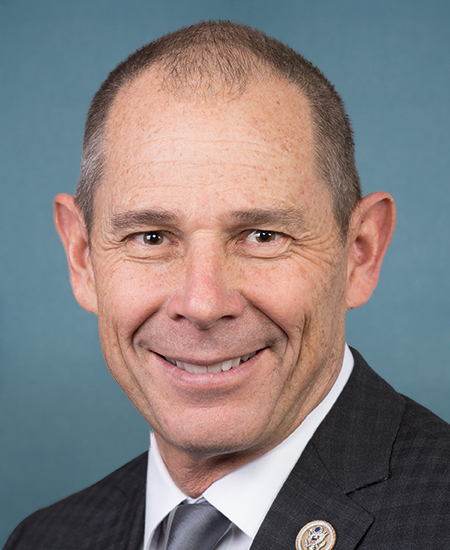
Curtis Highlights Need for Protection of Olympic Sports, College Athletics Reform
WASHINGTON —During a U.S. Senate Commerce, Science, and Transportation Committee hearing on the future of college athletics, Senator John Curtis (R-UT) underscored the need for a clear national framework governing college sport while advocating for stronger protections for Olympic and non-revenue sports that serve thousands of student-athletes across the country.
Questioning University of Utah football player Lance Holtzclaw, Senator Curtis highlighted the challenges student-athletes face navigating a patchwork of state laws and institutional policies. Holtzclaw emphasized that a national framework would bring “standardization and regulation” while eliminating confusion and uncertainty for athletes.
Senator Curtis also focused attention on the critical role college sports play in developing future Olympians, particularly as Utah prepares to host the 2034 Winter Olympic Games. Speaking with Notre Dame Athletic Director Pete Bevacqua, Curtis noted that many future Team USA athletes are currently training and competing through collegiate programs. Bevacqua agreed that federal legislation should include meaningful protections for Olympic sports, warning that without sustained university investment, the United States’ Olympic pipeline could suffer.
The Senator concluded by discussing the broader purpose of college athletics with legendary coach Nick Saban. Referencing BYU Head Coach Kalani Sitake’s observation that the best part of coaching is developing leaders, Curtis stressed that college sports should remain focused on preparing young people for success beyond competition.
The full transcript of the exchange is below, and video can be found here .
Senator Curtis: Mr. Holtzclaw, my colleague alluded to the fact that you have played for a lot of different teams, and this wouldn’t be a good sports hearing without a little banter, so, I’m kind of curious: what is your favorite team? And just in case you need any help… * displays University of Utah cap *
Lance Holtzclaw: I wouldn’t call any team my favorite, but I do represent the team I currently play for, which is the University of Utah.
Curtis: You should be in politics.
Chairman Ted Cruz: Okay, that’s damn diplomatic. Senator Curtis, you better be worried that he may file for election.
Curtis: Oh, he looks far more comfortable in a uniform than he does in that suit, I’ll tell you that. So let me start with you and kind of follow up on this question. Through these different frameworks, you’ve seen different state laws, institutional rules, and constant legal authority changes. From your perspective as a student-athlete, what would be the benefit of having one clear national framework for name and likeness, transfers, eligibility, and athlete protections, rather than asking athletes to figure out a different system depending on where they play?
Holtzclaw: I think what it does is it creates standardization and regulation, and it keeps everybody on the same page regarding what we can and cannot do. It makes things a little easier in some respects. The way I would look at it is that it eliminates a lot of the gray area. That’s a big part of what we should do when we’re dealing with people who don’t always have the knowledge of what they can and cannot do and who may not know the legal frameworks at all times.
Curtis: Mr. Bevacqua, Utah will host the 2034 Olympic Games. I’m sure you’re aware of that. Many of the athletes who will represent Team USA in those games are being developed right now through college sports in Utah. That pipeline includes skiers, runners, and a host of other athletes who rely on college programs to help them achieve their dreams. As an athletic director responsible for making real budget decisions, what signals from Congress would incentivize schools to not only to preserve non-revenue sports but to expand opportunities for these athletes?
Mr. Pete Bevacqua: Well, thank you for that question. I am a tremendous fan of the Olympic movement. It goes back to my days at NBC Sports , which has been the home of the Olympics for so long. I’ve been fortunate enough to attend many Olympic Games. Some of our proudest moments on campus are when our student-athletes represent our country in the Olympics. That’s a moment of pride for Notre Dame, and obviously a moment of pride for their friends and families. I think there does need to be real teeth in the bill to protect Olympic sports and the Olympic movement because, without universities maintaining and investing in their Olympic sports, the U.S. Olympic movement will take a major step backward.
Quite frankly, I think you need to hold our feet to the fire. If universities are going to invest so heavily in sports like football and men’s and women’s basketball, there needs to be a quid pro quo. Where we are also going to demand you don’t take your foot off the gas, you continue to keep those Olympic programs. The overwhelming majority of young men and women student-athletes in this country participate in Olympic sports.
Curtis: Do you think this bill does that and sends those signals?
Bevacqua: I think it sends those signals. As Senator Cruz and Senator Cantwell said, the bill is a work in progress. I think it could do a stronger, more straightforward, and clearer job of protecting Olympic sports, depending on where the remainder of the bill goes.
Curtis: Coach Saban, I was moved by something you said in your written testimony. You talked about young people coming into a program needing structure, discipline, coaching, academic support, and accountability, and leaving with a degree, a career, a family, and a better chance to be successful in life. It reminds me of a comment by BYU head football coach Kalani Sitake, said that the best part of the job is helping develop great leaders. That is exactly what college athletics should be about. Those life-changing experiences are not limited to football. They also occur in sports that generate no revenue and have few fans, yet still transform the lives of young people. So, my question is this: As Congress looks at the future framework of college athletics, what do we need to get right to ensure we not only protect but also help grow non-revenue sports?
Nick Saban: Well, I think a lot of the things we’ve discussed here today are certainly imperative. If we’re going in the direction we are going—making huge investments in football and basketball and paying players increasingly larger amounts—we should stop calling them student-athletes and start calling them students that are athletes. We’re going to end up with professional sports teams sponsored by colleges and universities. That’s what’s going to happen because we’re going to be paying players so much.
I really think the only way to remedy this is to recognize that we have competitive conferences, competitive teams, and competitors all trying to create advantages for themselves in every way that we can. Yet in college athletics, we don’t have a legislative branch that sets the rules. In the NFL, the commissioner can say, “This is what you’re allowed to do. This is the salary cap. This is how we draft players. This is how we create parity. This is how we generate revenue so that we can maintain a level of competition across all sports, including Olympic sports and women’s sports.” We don’t have that in college athletics. People talk about conferences being dismantled and all of that. That would never happen if there were a head of all of this.
Right now, as they say back in West Virginia, it’s not about the money—it’s about how much. Everything that happens is about how much money can we create? The real question is whether we’re deploying that money in the right places to maintain student-athletes’ well-being.
Curtis: Regrettably, I am out of time, but thank you very much. Go Utes!
48bc6fe7-8ff0-48a1-a859-b153ab903aabIssued within 24 hours
Other senators' releases published in the day before or after this one.