Padilla Joins Democratic Colleagues in Condemning Trump Administration Attempts to Shield Communications Between Trump and Private Advisers from Congressional Oversight
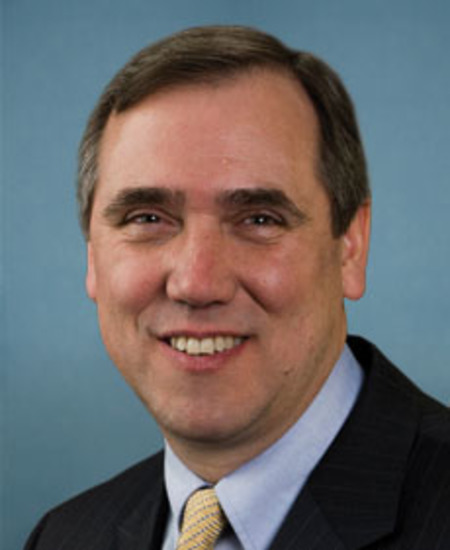
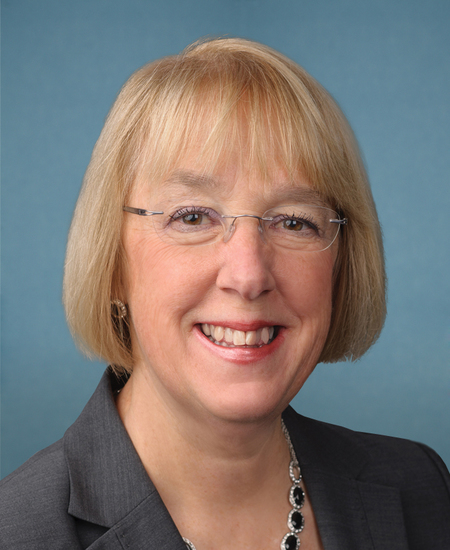
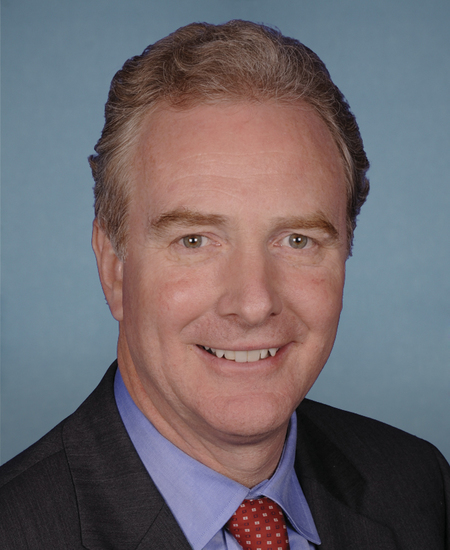
WASHINGTON, D.C. — U.S. Senators Alex Padilla and Adam Schiff (both D-Calif.), along with Senate Democratic Leader Chuck Schumer (D-N.Y.) and seven Democratic colleagues, pushed back against a recent opinion from the Department of Justice’s Office of Legal Counsel (OLC) asserting that presidential executive privilege applies to communications between the President and his private, non-governmental advisers. In a letter sent to White House Counsel David Warrington, the Senators emphasized that OLC lacks the authority to override judicial precedent and unilaterally dictate the boundaries of congressional oversight as they attempt to shield communications involving the President and “private advisers.” “Extending this constitutional protection to private individuals — who hold no official government position, take no oath to support the Constitution, and are exempt from federal ethics and record-keeping laws — fundamentally distorts the intent of the executive privilege,” wrote the Senators. “Allowing the President to extend privilege to outside consultants or advisers creates an unchecked loophole through which private citizens can shape public policy without public, electoral, or congressional accountability.” “We are deeply concerned that the White House requested guidance pursuant to the August 10 OLC opinion with the intent of improperly withholding documents and instructing private individuals and non-governmental advisers to defy lawful congressional subpoenas and oversight inquiries, now and in the future,” continued the Senators . “Such actions severely harm Congress’s ability to fulfill its constitutional oversight responsibilities and obstruct any public accountability.” The Senators demanded that the White House Counsel’s Office confirm whether it will fully cooperate with all current or future congressional inquiries, and requested a detailed list of all private advisers OLC believes to be shielded under the opinion as well as all communications in the White House Counsel’s Office and DOJ’s possession regarding the August 10 OLC opinion. In addition to Padilla, Schiff, and Leader Schumer, this letter was signed by Senate Democratic Whip Dick Durbin (D-Ill.), and Senators Richard Blumenthal (D-Conn.), Cory Booker (D-N.J.), Peter Welch (D-Vt.), Mazie Hirono (D-Hawaii), Chris Van Hollen (D-Md.), and Tammy Duckworth (D-Ill.). In April, Padilla joined Schiff and Leader Schumer in demanding answers from the White House Counsel’s Office on the Administration’s OLC opinion declaring the Presidential Records Act (PRA) of 1978 unconstitutional. Full text of the letter can be found here and below: Dear Mr. Warrington: We are writing to express serious concern regarding the latest Department of Justice Office of Legal Counsel (OLC) opinion to come at the behest of the White House’s attempts to shield any communications involving the President from Congress’s constitutional oversight responsibilities. On August 10, 2026, OLC published an opinion titled “Applicability of Executive Privilege to Presidential Communications with Private Advisers” in which it argued the President can assert executive privilege over a broad purview of communications with “private advisers.” The opinion, which was rendered at the request of your office, asserts that executive privilege related to presidential communications extends to communications with individuals outside the Executive Branch – including private citizens. This expansive interpretation appears designed to build a blanket shield around external and informal influences on presidential decision-making, insulating the President’s personal and non-governmental advisers from any potential congressional scrutiny. Further, much like an April 1, 2026, OLC opinion concerning the Presidential Records Act that has already been enjoined by a federal judge, this opinion does not arise from an inter-agency legal disagreement or statutory conflict, but rather serves to unilaterally broaden executive secrecy. The August 10 OLC opinion asserts that executive privilege applies to private advisers so long as communications relate to official presidential decision-making, involve or reflect communications with the President or direct advisers, and are confidential. This position stands in stark contrast to long-established separation-of-powers principles and federal jurisprudence. Federal courts have repeatedly emphasized that executive privilege must be narrowly construed due to its direct tension with Congress’s core Article I oversight functions and the public’s right to government transparency. In applying the presidential communications privilege to communications that are either by the President directly or by his immediate advisers in the wake of the Nixon-era Watergate scandal, the judiciary cautioned that not every communication with a presidential adviser would be protected. The courts further declined to grant the privilege to certain Justice Department officials outside of the President’s immediate advisers. Executive privilege is a qualified doctrine intended to ensure that the President receives candid, uninhibited advice from government subordinates in the execution of Article II duties. It is not an unlimited shield designed to insulate private citizens, informal advisers, and non-governmental actors from congressional oversight and public accountability. Extending this constitutional protection to private individuals — who hold no official government position, take no oath to support the Constitution, and are exempt from federal ethics and record-keeping laws — fundamentally distorts the intent of the executive privilege. Allowing the President to extend privilege to outside consultants or advisers creates an unchecked loophole through which private citizens can shape public policy without public, electoral, or congressional accountability. OLC’s traditional role is to provide objective legal guidance on complex legal questions, not to fashion novel legal theories designed to overcome existing or anticipated congressional oversight. Furthermore, OLC lacks the authority to override judicial precedent or unilaterally dictate the boundaries of congressional oversight established by the Constitution. We are deeply concerned that the White House requested guidance pursuant to the August 10 OLC opinion with the intent of improperly withholding documents and instructing private individuals and non-governmental advisers to defy lawful congressional subpoenas and oversight inquiries, now and in the future. Such actions severely harm Congress’s ability to fulfill its constitutional oversight responsibilities and obstruct any public accountability. Our concerns are furthered by your failure to respond to our previous April 29, 2026, inquiry regarding OLC’s April 1 opinion on the Presidential Records Act. Please confirm by September 4, 2026, that the White House will fully cooperate with current and future congressional inquiries, including by providing all requested or subpoenaed information or communication records between any non-governmental advisers and the President. Additionally, we request a detailed list of all non-governmental advisers for whom the White House claims executive privilege protections – including their employers, titles, and relation to the President – as well as all communications in your office’s and DOJ’s possession regarding the August 10 OLC opinion. Please provide these records no later than September 4, 2026. ###
4a5273e4-0d9d-4deb-bb8a-70ad2267f213Issued within 24 hours
Other senators' releases published in the day before or after this one.