ICYMI: Sens. Schiff, Curtis Press CFTC on Reports of Deceptive Marketing by Prediction Market Operator
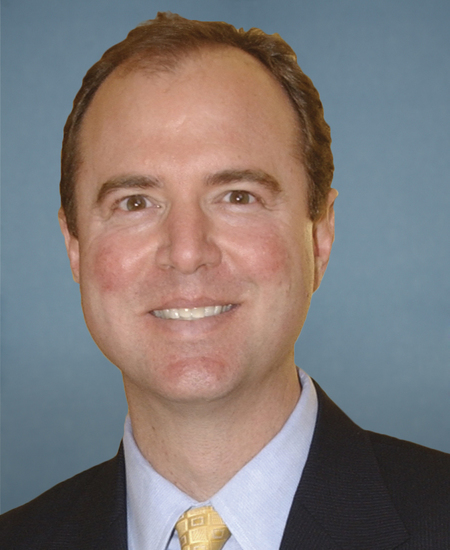
Letter requests information concerning Wall Street Journal reporting on Polymarket marketing tactics Washington, D.C. —U.S. Senators Adam Schiff (D-Calif.) and John Curtis (R-Utah) sent a letter to Commodity Futures Trading Commission (CFTC) Chairman Michael S. Selig requesting answers following recent reports that prediction market operator Polymarket used deceptive marketing tactics to promote gambling-style products to U.S. audiences. In their letter, the senators argue that the alleged conduct underscores growing concerns that prediction markets are functioning more like gambling than legitimate financial instruments. “The CFTC has repeatedly asserted regulatory authority over prediction markets and event contracts, including through its enforcement actions and its rules governing event contracts listed on CFTC-registered entities. Yet with content creators routinely portraying prediction markets as ‘free money,’ there is little basis for treating them differently from gambling. These contracts are not in the public interest and should not be treated as derivative products with hedging value. We remain concerned that the Commission is neither enforcing the law appropriately, nor is equipped to serve as a federal gambling regulator,” the senators wrote. “The public-facing behavior alleged here does not resemble a sober financial market designed for hedging or price discovery. Instead, it reflects clear regulatory arbitrage, where prediction markets can defy state and tribal gaming regulatory frameworks with ease. Traditional gaming operators are subject to state and tribal licensing, age restrictions, responsible-gaming requirements, advertising rules, integrity monitoring, and enforcement regimes designed to protect consumers and preserve lawful oversight. Prediction market operators should not be permitted to avoid those obligations by rebranding gambling products as federally regulated financial contracts. Nor should the CFTC allow companies to invoke the credibility of federal oversight while engaging in conduct that would raise serious concerns in any regulated gaming market,” the senators continued. A recent Wall Street Journal investigation reported that Polymarket orchestrated a social media marketing campaign in which paid content creators posted videos depicting simulated trades and exaggerated winnings on websites designed to resemble the company’s platform. According to the report, many of the creators did not disclose that they were being compensated, and the campaign generated millions of views across major social media platforms while promoting prediction market activity to U.S. audiences, despite Polymarket’s primary platform being unavailable to U.S. users. Following the report, Polymarket said it would review its promotional practices. The letter requests answers by July 10, 2026, including: Whether the CFTC is investigating the conduct described in the Wall Street Journal’s reporting; What steps the agency has taken since its 2022 enforcement action to prevent Polymarket from targeting U.S. users through offshore platforms or affiliated entities; Whether the Commission believes prediction market operators may lawfully use simulated trades or fake websites in promotional content; What consumer protection standards currently apply to prediction market advertising, influencer marketing, age verification, and responsible gaming safeguards; and Whether the CFTC intends to preserve state and tribal authority over sports betting and casino-style gaming products offered as event contracts. Schiff and Curtis have strongly advocated for prediction market contracts reform, including introducing legislation to ban sports prediction markets gambling and prohibit federal officials from using sensitive information to bet on prediction market contracts. The full letter is available below and here . Dear Chairman Selig: We write regarding recent reporting by the Wall Street Journal alleging that Polymarket used simulated trading websites, staged transactions, and undisclosed paid influencer content to promote prediction-market activity online, including activity associated with its offshore platform, which is not available to U.S. users. According to the reporting, Polymarket paid social media creators to film trades on websites designed to resemble Polymarket, even though those trades were not real. The reporting further alleges that many of these creators failed to disclose they were paid by Polymarket, that some videos used fake or misleading materials to imply large winnings, and that Polymarket hired overseas workers to help distribute this content to U.S. audiences. If accurate, these allegations are deeply troubling and demand immediate scrutiny from the Commodity Futures Trading Commission (“CFTC” or “Commission”). The CFTC has repeatedly asserted regulatory authority over prediction markets and event contracts, including through its enforcement actions and its rules governing event contracts listed on CFTC-registered entities. Yet with content creators routinely portraying prediction markets as “free money,” there is little basis for treating them differently from gambling. These contracts are not in the public interest and should not be treated as derivative products with hedging value. We remain concerned that the Commission is neither enforcing the law appropriately, nor is equipped to serve as a federal gambling regulator. In 2022, the CFTC brought an enforcement action against Polymarket for operating an illegal, unregistered event-based binary options trading platform and required the company to pay a $1.4 million civil monetary penalty, shut down noncompliant markets, and cease and desist from violating the Commodity Exchange Act and CFTC regulations. Notwithstanding the CFTC’s order, Polymarket continued to use deceptive marketing to target U.S. users and encourage them to use this prohibited offshore platform. Polymarket is reportedly using fake websites, staged transactions, undisclosed paid influencers, and viral social media campaigns to cultivate American users and normalize betting-like activity outside the state and tribal frameworks that govern gambling in this country. As Polymarket’s main platform looks to reenter the U.S. market, the Wall Street Journal’s reporting indicates that the company has applied the same deceptive tactics in promoting its CFTC-regulated U.S. app to American users. This illustrates why the Commission should be skeptical of claims that sports, entertainment, and other betting-style contracts are materially different from gambling merely because they are offered through event contracts. With promises of fast money, influencer marketing, social media virality, and a deliberate blurring of what is real and what is staged, it is unsurprising that Americans view purchasing event contracts on prediction markets as much closer to gambling than investing by a 61-to-8 percent margin. The public-facing behavior alleged here does not resemble a sober financial market designed for hedging or price discovery. Instead, it reflects clear regulatory arbitrage, where prediction markets can defy state and tribal gaming regulatory frameworks with ease. Traditional gaming operators are subject to state and tribal licensing, age restrictions, responsible-gaming requirements, advertising rules, integrity monitoring, and enforcement regimes designed to protect consumers and preserve lawful oversight. Prediction-market operators should not be permitted to avoid those obligations by rebranding gambling products as federally regulated financial contracts. Nor should the CFTC allow companies to invoke the credibility of federal oversight while engaging in conduct that would raise serious concerns in any regulated gaming market. Accordingly, we respectfully request that the Commission provide written responses to the following questions no later than July 10, 2026: Is the CFTC investigating the conduct described in the Wall Street Journal’s reporting? If not, why not? 2. What steps has the CFTC taken since its 2022 Polymarket enforcement action to ensure that Polymarket is not soliciting, marketing to, or otherwise targeting U.S. users through offshore platforms, affiliates, contractors, influencers, or related entities? Does the Commission believe that a prediction-market operator may lawfully use fake trades or simulated websites in promotional content without clear and conspicuous disclosure? What consumer-protection standards does the CFTC currently require of predictionmarket operators with respect to advertising, age verification, addiction warnings, responsible-gaming tools, affiliate marketing, and influencer disclosures? If the Commission believes it has exclusive or primary jurisdiction over these markets, does it also believe it has the authority, resources, and expertise to replicate the consumer-protection, licensing, and enforcement functions currently performed by state and tribal gaming regulators? Will the CFTC commit to preserving state and tribal authority over sports betting and casino-style gaming products, including when those products are offered under the label of event contracts? The Commission should not allow companies to invoke CFTC oversight as a way to avoid state and tribal gambling laws, weaken consumer protections, or promote betting-style products through deceptive campaigns. We look forward to your response. ###
50561dd4-a636-40f1-a687-2e8ed4549255Issued within 24 hours
Other senators' releases published in the day before or after this one.