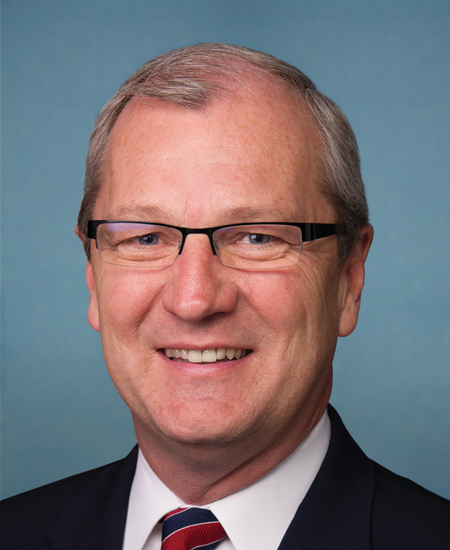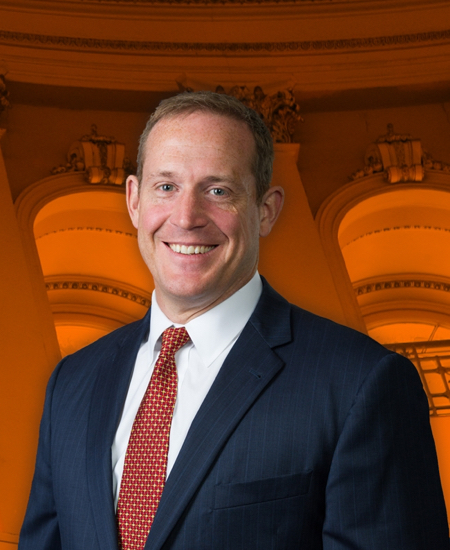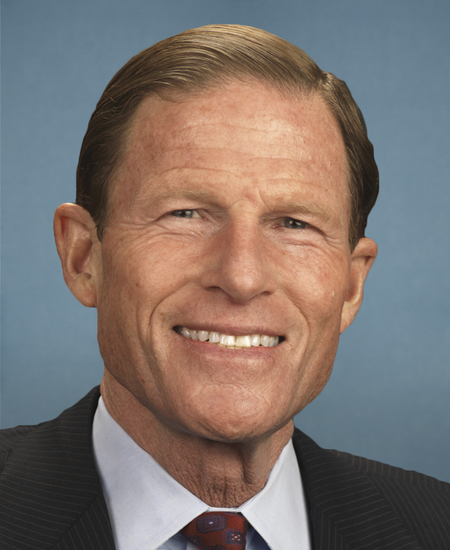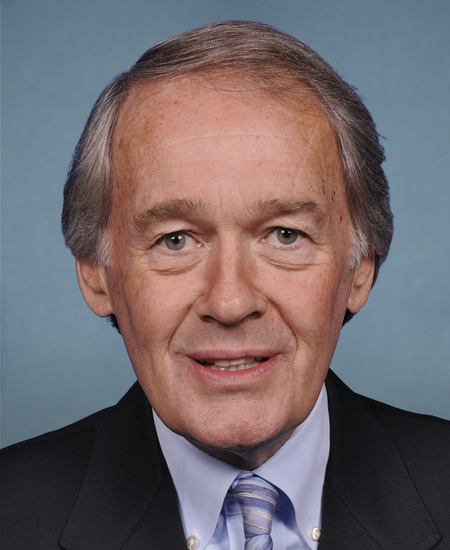
Before Busy Summer Travel Season, Markey, Merkley, Kennedy, Marshall Push to Rein in TSA Facial Recognition Technology at Airports Across U.S.
During National Travel and Tourism Week, Senators lead bipartisan Traveler Privacy Protection Act
Washington (May 8, 2025) – Senator Edward J. Markey (D-Mass.) today joined Senators Jeff Merkley (D-Ore.), John Kennedy (R-La.), and Roger Marshall (R-Kansas) to sound the alarm over the Transportation Security Administration’s (TSA) use of facial recognition technology at airports nationwide.
The lawmakers introduced the bipartisanTraveler Privacy Protection Actto protect travelers’ ability to travel without undergoing government face scans. The bill comes as the TSA plans to expand facial recognition technology to more than 430 airports across the country, while eventually planning to make this technology mandatory for all travelers.
“Passengers should not have to choose between safety and privacy when they travel. Yet, the TSA has consistently ignored our calls to halt the unacceptable use of facial recognition tools and protect passenger privacy. Instead, the agency rapidly expanded the use of the technology nationwide,”said Markey. “I am glad to partner with Senators Merkley and Kennedy on theTraveler Privacy Protection Actto ensure travelers are able to exercise their right to privacy and be able to check TSA’s invasive practices at the door.”
“Folks don’t want a national surveillance state, but that’s exactly what the TSA’s unchecked expansion of facial recognition technology is leading us to,”said Merkley. “Americans have the right to opt out of using TSA’s facial recognition at the airport, and we need to protect that right. OurTraveler Privacy Protection Actsafeguards the freedoms and privacy of all Americans by making sure no one is required to have their face scanned to travel.”
“The TSA subjects countless law-abiding Americans to excessive facial recognition screenings as they travel, invading passengers’ privacy without even making it clear that they can opt out of the screening. TheTraveler Privacy Protection Actwould protect Americans’ ability to say ‘no’ to these facial scans and safeguard the personal data that the TSA collects,”said Kennedy.
“Privacy is one of America’s most sacred liberties, and we must protect it,”said Marshall. “In no universe should the federal government collect biometric data from Americans without their full, informed consent. TheTraveler Privacy Protection Actstrengthens safeguards around this sensitive data and brings transparency for travelers. I’m proud to work with Senators Kennedy, Merkley, and Markey to champion this effort.”
In addition to Markey, Merkley, Kennedy, and Marshall, theTraveler Privacy Protection Actis co-sponsored by U.S. Senators Steve Daines (R-Mt.) and Chris Van Hollen (D-Md.). The bipartisan bill is endorsed by the ACLU, American Federation of Government Employees (AFGE), Public Citizen, EPIC, Project On Government Oversight (POGO), and Fight for the Future.
Merkley has been an outspoken and longtime leader in sounding the alarm on TSA’s use of facial recognition technology. He led abipartisan group of Senators in a letterurging the U.S. Department of Homeland Security Inspector General Joseph Cuffari to launch an investigation into the TSA’s use of this technology. He also pushed then-Majority Leader Chuck Schumer and then-Minority Leader Mitch McConnell to take up thisprivacy issue in theFederal Aviation Administration (FAA) Reauthorization Actlast year. Merkley has documented hisown experience “opting-out” of this optional program, traveling from D.C. to Portland.
“Control of our biometric information has become increasingly central to attacking our civil rights and civil liberties. Facial recognition and facial matching technologies are the foundation for a surveillance dragnet, chilling our ability to protest, travel, or even attend a baseball game without our every move being scrutinized. Governments at all levels should take steps to freeze this technology’s use, and theTraveler Privacy Protection Actprovides urgent safeguards. Crucially, it limits the government’s ability to repurpose our faces for uses we never consented to and prohibits its deployment in a vast airport surveillance network,”said Cody Venzke, Senior Policy Counsel for the ACLU.
“As the representative of 47,000 Transportation Security Officers who safeguard America’s airports daily, AFGE is proud to endorse theTraveler Privacy Protection Act. This important bipartisan legislation protects both travelers’ civil liberties and TSOs’ professional integrity. The Transportation Security Administration’s rushed implementation of facial recognition technology creates serious privacy concerns without demonstrating actual security benefits. Our TSOs are committed to effective, dignified screening – not becoming agents of unchecked surveillance. We applaud Senators Jeff Merkley and John N. Kennedy for ensuring passengers maintain the right to opt-out without penalty and preventing the misuse of biometric data. This balanced approach respects constitutional rights while supporting the dedicated professionals who secure our nation’s transportation systems,”said AFGE National President Everett Kelley.
“Sen. Merkley’sTravel Privacy Protection Actfinds that appropriate middle ground between the convenience and security of personal and business travel aboard commercial aircraft. It is all too easy — and unnecessary — for TSA officials to prioritize security over the privacy rights of passengers. With today’s highly sophisticated security measures, such as face recognition, passengers sometimes involuntarily or unwittingly turn over too much personal information to governmental authorities. This Act draws a clear line between necessary security measures and our constitutional right to privacy,”said Craig Holman, Ph.D., Public Citizen.
“The Electronic Privacy Information Center (EPIC) is proud to support theTraveler Privacy Protection Act. The Act will ensure facial recognition technology is not forced upon the air traveling public and prevent TSA’s use of the tech from expanding beyond identity verification. Facial recognition requires strict regulations on if, when, and how it can be used; and we hope the Traveler Privacy Protection Act is the first step by Congress to meaningfully rein in this tech,”said Jeramie D. Scott, Senior Counsel & Director for the EPIC Project on Surveillance Oversight.
“The Project On Government Oversight applauds the bipartisan introduction of theTraveler Privacy Protection Act. The expansion of facial recognition technology poses a threat to our privacy rights and civil liberties. This bill will protect travelers from mandatory facial scans at our nation’s airports, and provide key protections for sensitive data, among other things. POGO looks forward to working with members on both sides of the aisle to pass this important legislation,”said Don Bell, Policy Counsel for POGO.
Full text of theTraveler Privacy Protection Actcan be found by clickinghere.
A summary of theTraveler Privacy Protection Actcan be found by clickinghere.
###
5079c9e6-25d4-4805-9ef6-3686aab5ee36Issued within 24 hours
Other senators' releases published in the day before or after this one.