Press Release
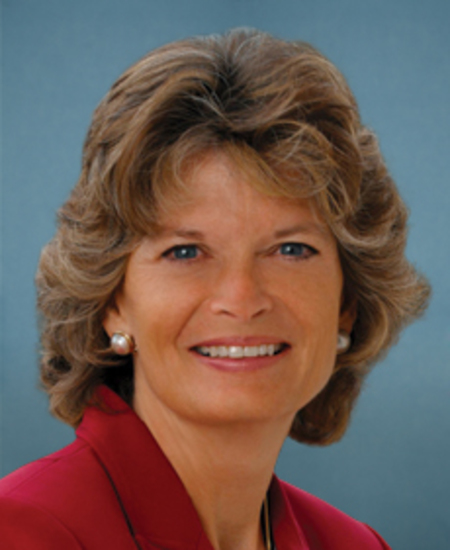
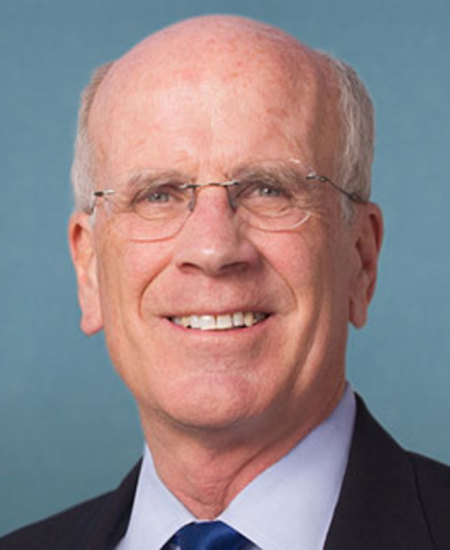
Thirteen Senators joined the bipartisan discussion WASHINGTON, D.C. — U.S. Senators Peter Welch (D-Vt.) , John Curtis (R-Utah) , Lisa Murkowski (R-Alaska) , Brian Schatz (D-Hawaii) this week hosted a bipartisan roundtable on Capitol Hill focused on the high costs of extreme weather and climate change, and how Washington can better help communities prepare for, mitigate, and recover from these disasters. Senators Welch, Curtis, Murkowski, and Schatz were joined by Senators Cory Booker (D-N.J.) , Maria Cantwell (D-Wash.) , Catherine Cortez-Masto (D-Nev.) , Tim Kaine (D-Va.) , Jeff Merkley (D-Ore. ), Alex Padilla (D-Calif.) , Jack Reed (D-R.I.) , Jeanne Shaheen (D-N.H.) , and Chris Van Hollen (D-Md.) . “From brutal flooding in Vermont and Alaska to destructive wildfires in Utah, California, and Hawaii, extreme weather is wreaking havoc in communities across America—and it’s only getting worse,” said Senator Welch . “This roundtable made it crystal clear that Washington isn’t doing enough to support rural communities and constituents recovering from climate disasters. The Senate needs to take action to ensure that Americans in disaster-impacted communities—in red and blue states alike—can rebuild, recover, and withstand the rising impacts of climate change.” “Utahns know firsthand the devastating toll that wildfires, drought, and other extreme weather events can have on families, communities, and local economies,” said Senator Curtis. “This roundtable confirmed what we all know: preparing for disasters, protecting lives, and helping communities recover are shared responsibilities and non-partisan issues. I appreciated the opportunity to discuss practical solutions that improve emergency responsiveness and ensure our communities have the tools they need before and after disaster strikes.” “Thank you to my colleagues and the experts who came to the table for this critical discussion about the growing costs and impacts of extreme weather. In Alaska, we’re on the front lines for increasingly common events. Flooding, wildfires, landslides, earthquakes, and even remnants of major typhoons have devastated communities across the state,” said Senator Murkowski . “Rural communities face especially difficult situations, making it essential that our disaster policies recognize the unique costs of preparing for, responding to, and recovering from these events. We know the most cost-effective disaster is the one that never happens, which is why investments in mitigation, forecasting, resilient infrastructure, and early warning systems are so important. I appreciated the opportunity to discuss practical solutions that will strengthen preparedness, improve recovery, and help communities build greater resilience for the future.” “My heart goes out to the people of Washington who are dealing with this across our state, particularly in Spokane, and in the Lake Chelan area as well. Between Washington and Oregon, we’ve hit a record for the amount of acreage that has been burning,” said Senator Cantwell . “Technology can play a big role. We have to show people that the connection between the information that we can get, and then the actual action plan that we can put into place, that’s where the gaps are.” “Extreme weather will, in one way or another, affect all Americans regardless of region, as well as our overall economy. In Virginia, we have seen the effects firsthand – from flooding at military installations in Hampton Roads, to Southwest Virginia’s ongoing recovery from Hurricane Helene, to periodic drought conditions throughout the Commonwealth,” said Senator Kaine . “I was pleased to join a bipartisan group of my Senate colleagues and a group of experts to discuss how to invest in resilience on the front end, improve response, and support recovery efforts for those affected by extreme weather.” “In California, we’ve seen firsthand how extreme weather disasters like wildfires and flooding impact communities, and it’s past time we expand disaster mitigation and improve disaster response,” said Senator Padilla . “I’m proud to join this bipartisan push to help communities across the country build resilience and get better access to resources when extreme weather hits.” “This was a thoughtful, informative, and eye-opening discussion on a pressing issue that impacts every state. I commend Senators Welch, Curtis, Schatz, and Murkowski for convening this forum and advancing bipartisan dialogue about how we can improve disaster response and better support communities and states,” said Senator Reed . “Congress must ensure the disaster declaration process is merit-based and not politicized. I have put forward legislation, the Disaster Relief Fairness Act (S.5018), which would prevent the administration from unfairly denying disaster assistance to states and communities when they have clearly met the criteria to qualify. I hope my colleagues will consider supporting this bill. Every state has different needs, but all of us are impacted by extreme weather events and we all need help at some point, regardless of who is in the White House when disaster strikes.” “For years, the biggest polluters have made trillions in profits while destroying the environment and damaging our public health. The result is not only a rise in extreme weather, but an increase in Americans paying the price – from rising insurance premiums to the costs of rebuilding communities after major flood events like the one in Western Maryland last year. It’s polluters who should be paying to clean up the mess they made – not the American people. This important bipartisan discussion on standing up for disaster-impacted communities makes clear that we must ensure that the communities most harmed by the effects of climate change do not have to bear the costs alone,” said Senator Van Hollen . View photos from the event below and on the Senator’s website : The roundtable featured Michael Gaughan of the Vermont Bond Bank , which in 2023 launched the first-of-its-kind Municipal Climate Recovery Fund to support rural disaster recovery; Adam Smith , Senior Climate Impacts Scientist at Climate Central and the former lead scientist of the National Oceanic and Atmospheric Administration’s (NOAA) U.S. Billion-Dollar Weather and Climate Disasters Database ; and Chief Bob Roper, Senior Wildfire Advisor to the Western Fire Chiefs Association . Senator Welch has championed efforts in the Senate to better protect rural communities from the impact of extreme weather events. This Congress, Senator Welch led 13 of his colleagues in introducing the Measuring the Cost of Disasters Act , legislation that requires NOAA to restore and maintain the Billion-Dollar Weather and Climate Disasters database, which collects and publishes information on natural disasters resulting in at least $1 billion in damage each year in the United States. The Senator also introduced the Disaster AID Act , legislation that would reform the Federal Emergency Management Agency (FEMA) to make the delivery of disaster aid more efficient and effective, provide technical assistance to small towns, and expedite funding for disaster response. In July, Senator Welch joined U.S. Representative Becca Balint (VT-AL) and the Climate Action Network for an event in Barre, Vermont , to hear firsthand from Vermonters impacted by natural disasters and highlight how climate change is fueling more dangerous and deadly extreme weather. The Senator also led 14 colleagues in urging the Trump Administration to reinstate terminated employees at the National Weather Service (NWS) and NOAA to ensure community preparedness ahead of natural disasters. In December 2023, Senator Welch testified before a Senate Appropriations Subcommittee and advocated for the inclusion of CDBG-DR funding in the comprehensive disaster supplemental package. The comprehensive disaster relief bill, signed by President Biden in 2024, provided more than $100 billion total in disaster relief, and contained many of Senator Welch’s top priorities for Vermont: flexible spending through the Community Development Block Grant–Disaster Recovery fund; support for FEMA’s Disaster Relief Fund (DRF); dedicated help for flood-impacted farmers; and low-interest disaster loans from the Small Business Administration (SBA) to help businesses and homeowners recover, among many other resources. ###
5483bc67-30db-4ae4-807d-b750e11ad388Issued within 24 hours
Other senators' releases published in the day before or after this one.