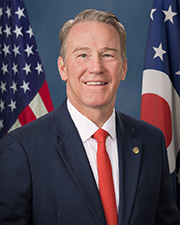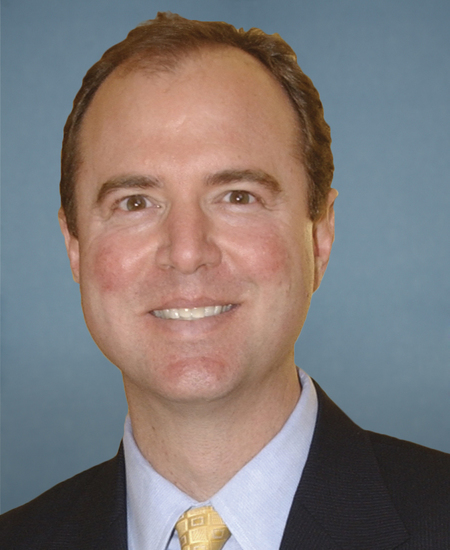
Senators Kim, Schiff, Lummis, Barrasso Introduce Bill to Protect Children Online through New Age Reporting Requirements
WASHINGTON, D.C. – Senators Andy Kim (D-NJ), Adam Schiff (D-CA), Cynthia Lummis (R-WY), and John Barrasso (R-WY) introduced the bipartisan Digital Age Assurance Act to protect children online by requiring operating system providers to collect and share users’ ages exclusively with app developers so they can block kids from accessing age-inappropriate content. The bill prioritizes protecting kids’ privacy with a number of provisions preventing kids’ data from being sold or transferred and banning targeted advertisement to children. “ Like most parents, I have a lot of anxiety about keeping my two boys safe from dangers online as they grow up in a world full of ever-evolving technology. We owe it to parents and kids to put guardrails in place before more harm is done. The Digital Age Assurance Act puts kids’ data privacy first as we make sure congress and tech companies do their part to make online spaces safer for our kids,” said Senator Kim. “Parents deserve the peace of mind of knowing that when their children use the internet and digital applications, they are shielded from inappropriate and harmful content. And tech companies that host kids on their platforms must be held accountable for protecting young users,” said Senator Schiff. “That’s why I’m proud to work with Senators Kim, Lummis, and Barrasso on a comprehensive federal age-assurance framework that follows California’s important work in this space and ensures that the digital content kids see is age-appropriate and that their privacy is protected from invasive data collection. We have seen what happens when an entire generation of young people grow up without technological guardrails and are left vulnerable to cyberbullying, mental health threats, and more. California has been a leader in requiring online platforms to implement necessary safeguards, and it’s time Congress follow its lead in addressing this issue.” “In Wyoming, we believe protecting our kids and protecting our freedoms go hand in hand, and this bill proves you don’t have to sacrifice one for the other,” said Senator Lummis. “By keeping government IDs and facial scans out of the equation, the Digital Age Assurance Act gives parents real protection for their children while giving platforms a trusted, privacy-protective way to know when those protections should apply.” More kids are getting online, at earlier ages – with recent data finding that by age 2, 4 in 10 children have their own tablet; by age 4, more than half of children have their own tablet; and by age 8, nearly 1 in 4 children have their own cellphone. The Digital Age Assurance Act works to prioritize kids’ online safety while including substantive child privacy protection rules. Specifically, the bipartisan legislation would: Establish a device-level age assurance framework requiring operating system providers to collect a user’s age during operating system account creation or from existing account holders, Require operating systems to convert a user’s age into privacy-protective age brackets—under 13; ages 13–15; age 16; and age 17 or older—rather than sharing the user’s exact age or date of birth, Create a secure, real-time operating system signal that applications, browsers, application stores, and covered websites must request and use as the primary indicator of a user’s age, Permit signals to include age verification methods that minimize data disclosure, including the use of verifiable credentials and zero-knowledge proofs, Require children under age 17 to link their operating system account to a parent or legal guardian account and allow the user or linked parent or guardian to view the child’s age bracket data, Establish a process for resolving conflicting age information, including user notice, an opportunity to correct inaccurate information, and distribution of an updated age signal, Prohibit developers and covered website operators from requesting more age information than the standardized signal or sharing age bracket data with third parties, Impose data minimization requirements limiting the collection, retention, use, and combination of age-related information, including prohibitions on using age bracket data for profiling, engagement optimization, or targeted advertising, Prohibit the transfer of children’s personal data to data brokers, while preserving contextual advertising that does not rely on personal data or behavioral profiling, Establish enforcement by the Federal Trade Commission and State Attorneys General, including civil penalties of up to $2,500 per negligent violation and $7,500 per knowing or intentional violation, which may be multiplied by the number of children affected, Include competition safeguards preventing operating system providers and application stores from imposing more restrictive age-related requirements on third-party applications or using age bracket data to disadvantage competitors, and Create a national baseline that preempts only conflicting State requirements while preserving Federal or State laws that provide protections at least as strong as the Act. The Digital Age Assurance Act is endorsed by: American Psychological Association, Mission Kids Child Advocacy Center, The Arc of New Jersey, Digital Defenders United, and New Jersey Children’s Alliance. “Parents shouldn’t have to choose between letting their kids participate in the digital world and keeping them safe. That’s exactly the balance I set out to strike with California’s Digital Age Assurance Act — protecting children online without sacrificing their privacy,” said Assemblymember Buffy Wicks (D- CA). “I’m thrilled to see Congress build on California’s leadership with a bipartisan, privacy-first framework that empowers parents, protects children, and establishes a consistent national standard for age assurance. Parents deserve confidence. Kids deserve safety. Families should never have to sacrifice one for the other.” ###
5ece527a-00cb-4992-b346-523fe8fe4c01Issued within 24 hours
Other senators' releases published in the day before or after this one.