Press Releases
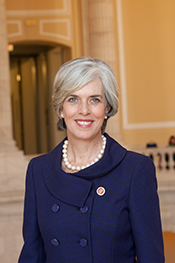
CAMBRIDGE — Cambridge Health Alliance will reopen its Birth Center next month, restoring a service that has been unavailable since the facility stopped deliveries at the start of the COVID-19 pandemic. The center, located in a Victorian home at 1493 Cambridge St., across from the main hospital, closed in March 2020 as the hospital scrambled to respond to COVID-19. While prenatal services resumed later that year, deliveries did not, hampered by staffing shortages, operational challenges, and infrastructure concerns. But after receiving new funding and completing renovations, it’s expected to reopen on July 6. The center received $1 million in state funding in 2024. It was sponsored by state Representative Marjorie Decker of Cambridge, and funded through a Department of Public Health grant for renovations. Beth Israel Lahey Health also provided a $1 million grant for staff training, equipment, and community outreach. “Standing here today, we didn’t know years ago whether this would happen,” said Decker, a former Birth Center patient, during an open house Wednesday. “During COVID, there were real questions about whether the center would reopen. But many people remained committed to the mission and making it equitable.” More than 200 people attended the celebration , waiting in line for a tour. The building was operational for 22 years before closing, and since then, they’ve expanded to three delivery rooms, designed to resemble bedrooms rather than traditional hospital rooms. Two rooms have soaking tubs for water births, an option that medical professionals say can help with pain management and relaxation during labor. The facility also has exam rooms, cribs, a kitchen, a waiting room, an elevator, and a wheelchair ramp. Birth centers offer a different model from hospitals: a home-like setting where midwives — licensed providers trained to support patients through pregnancy, labor, and the postpartum period — lead care for low-risk pregnancies. The centers typically offer longer appointments than hospitals, and many patients work with doulas, nonmedical professionals who provide physical and emotional support. Midwives and doulas gave tours, many answering questions of expecting parents like “Do you have a birth stool? And a certified lactation consultant?” They replied yes. Birth centers tend to have fewer patients, provide more personalized care, avoid medications during birth, and foster a culture of shared decision-making that empowers patients and reduces stress. They can administer IVs, but it’s not routine, midwives say. It’s also normal to be discharged 4 to 6 hours after giving birth with frequent follow-up visits. Patients who need to stay for 8 hours or longer will need to be transferred to the hospital. At the same time, the centers have limitations. They are designed for low-risk pregnancies and do not typically include physicians or OB/GYNs as part of routine care. They also have restrictions on the procedures they can offer, including the use of epidural anesthesia and surgical interventions. If complications arise during childbirth, patients are transferred to a hospital. The reopening comes as Massachusetts faces growing concern over maternal health access and outcomes. Hospitals across the state have shuttered 13 maternity units, totaling more than 100 beds, over the past decade. Maternal health inequities are widening despite years of state investment, with Black families disproportionately affected by complications and unequal access to care. State leaders, including Governor Maura Healey, have pointed to birth centers as a lower-cost, lower-intervention alternative for people with low-risk pregnancies and have allocated millions of dollars in funding to support them. Care will be led by certified nurse-midwives, supported by a team of 19 doulas who collectively speak 13 languages. Doula services are covered by MassHealth. The Birth Center expects to deliver 100 babies in its first year, ramping up to about 300 by the fourth year. Hospital leaders said the center will be open to all patients but will place particular emphasis on serving vulnerable and underserved populations. Samya Singletary of Boston, whose son is due on Halloween, enrolled at the CHA Birth Center when she was six weeks pregnant in March. She had some initial uncertainty about whether the facility would reopen in time for her delivery, but after touring the center Wednesday, those concerns had disappeared. “I love my midwife here. I love that there’s no pressure, no monitors all over the place, and that I can feel relaxed and at home with good support,” said Singletary, 33. “I especially like the tubs and not feeling like I’m on a time crunch to push a baby out. I’m excited to come back when it’s time.” Massachusetts currently has only one operating freestanding birth center, Seven Sisters in Florence, after a handful closed due to financial strain. The reopening of CHA’s Birth Center is expected to expand access to midwifery-led care in Greater Boston and comes as advocates push to grow the model statewide, with new birth centers planned in Roxbury and Worcester. Neighborhood Birth Center, opening next year in Roxbury, and members of the Mount Auburn Midwifery Program also joined the open house to show their support. During the last six years, CHA officials said they hired consultants to study whether the facility could safely resume deliveries and said it took several years to implement operational and infrastructure recommendations. “I think this is a beacon of hope, not just for Cambridge, but for all of the other communities,” said Claire Laporte, vice chair of the Cambridge Health Alliance’s board of trustees. CHA chief executive officer Dr. Assaad Sayah welcomed state and local leaders, including Decker, Representative Katherine Clark, whose congressional district includes part of Cambridge, Massachusetts Department of Public Health Commissioner Dr. Robbie Goldstein, and Cambridge Mayor Sumbul Siddiqui. Goldstein said the Birth Center is special as it’s the oldest in the state. “For decades, it had been a place where families have welcomed new life into the world,” Goldstein said. “Like so many institutions, this center faced enormous challenges during the pandemic, but today is not the story of a closure. Today is the story of renewal.” — Original article HERE .
67720dcb-d2b9-4723-a63b-02e938268db9Issued within 24 hours
Other senators' releases published in the day before or after this one.