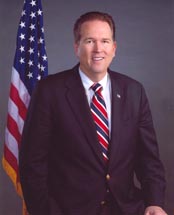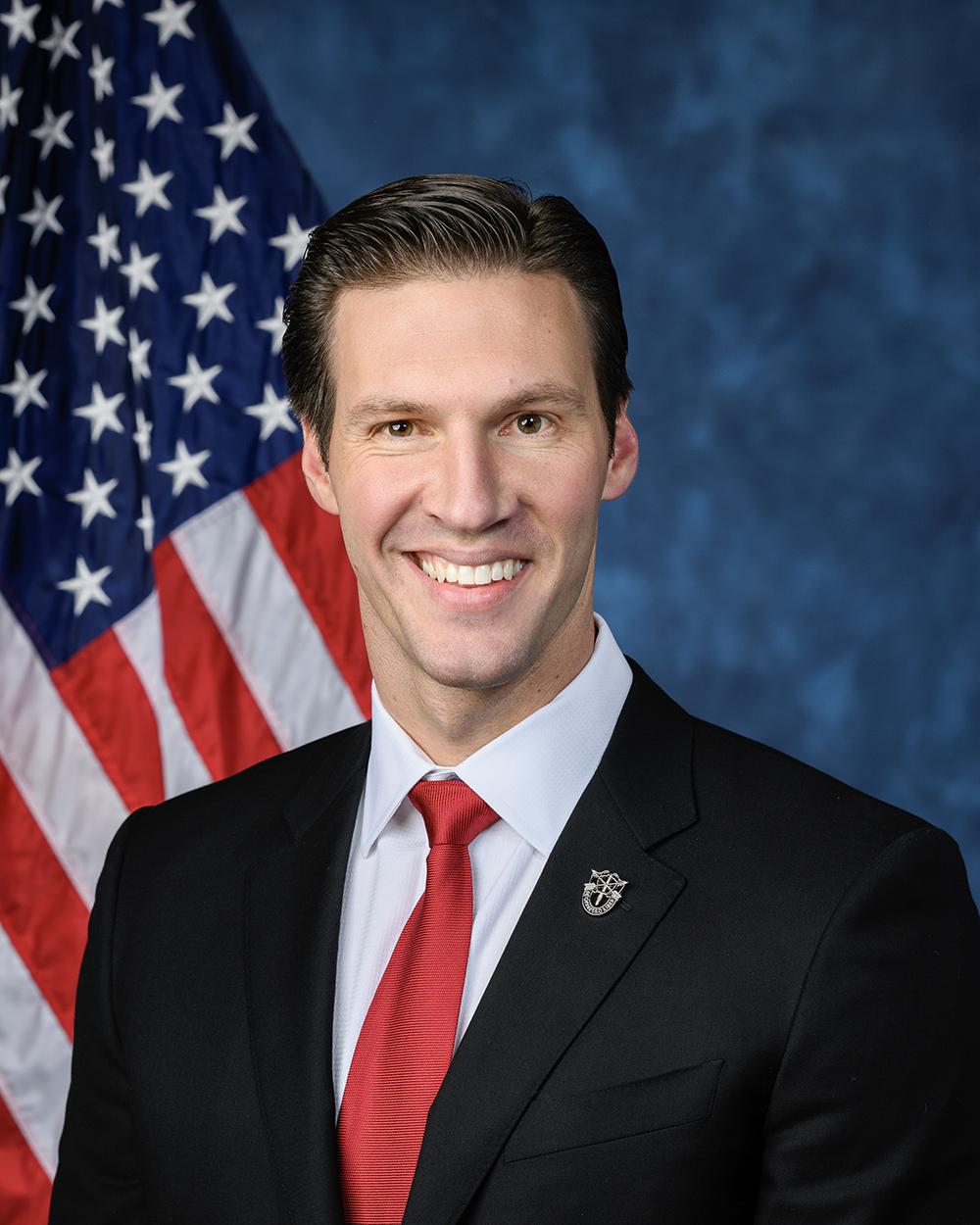
ICYMI: Congressman Pat Harrigan Pens Op-Ed on How Congress Can Lower Americans' Energy Bills
July 17, 2026 Press Release Contact: Lexi Kranich (814) 380-4408 WASHINGTON, D.C.— In a new op-ed for Breitbart, Congressman Pat Harrigan (NC-10) argues that Washington is sitting on one of the most effective tools to lower Americans' energy bills, but outdated tax rules are preventing it from being fully utilized. He explains how his bipartisan Nuclear Rate Stabilization Act would remove unnecessary barriers to nuclear investment, accelerate the construction of new reactors, strengthen American energy security, and help deliver lower electricity costs for families. You can read the full piece here or below. Washington Is Sitting on the Cure for High Energy Bills; It’s Called Nuclear Every month, families across the United States open their electric bill and brace themselves. Prices keep climbing, and too often the explanation they get is a shrug and a reference to “the grid.” What they are rarely told is that Washington already has a tool sitting on the shelf that could bring real relief, and it is the tax code itself standing in the way of using it. That tool is nuclear energy. It is the most powerful source of electricity on earth, it produces zero emissions, and a single reactor can run reliably for decades, providing the kind of steady baseload power that solar and wind simply cannot match on their own. If we are serious about energy independence and lower bills, nuclear has to be part of the answer. The problem is not the technology. The problem is the paperwork. Congress already passed a clean energy investment tax credit worth 30 to 50 percent of construction costs for new nuclear projects. On paper, that should be a game changer. In practice, outdated accounting rules force utilities to stretch that credit out over the full 40-year life of a reactor, diluting its value to almost nothing in the years when it actually matters, when a plant is being built and rates are being set. On top of that, the credits tied to nuclear construction cannot be sold or transferred to outside investors, unlike credits for battery storage and other clean energy projects. That leaves utilities sitting on paper value they cannot use, while the capital they need to build the reactor stays out of reach. This is not a partisan problem, and it should not have a partisan solution. That is why I introduced the Nuclear Rate Stabilization Act alongside Congressman Jimmy Panetta, a Democrat from California. Our bill gives nuclear projects the same opt-out from these normalization rules that battery storage projects already have, and it allows those tax credits to be transferred to third parties. In plain terms, it lets the incentives Congress already approved actually reach the people they were designed to help: ratepayers. The Nuclear Energy Institute and companies like Elementl Power have already voiced support, because they see the same bottleneck utilities do every day. Projects that could be moving forward are instead stuck waiting on financing that a simple fix to the tax code would unlock. Every year that passes without this fix is another year of reactors that do not get built, jobs that do not get created, and savings that never reach a family’s monthly bill. We are entering an era of surging electricity demand, driven by manufacturing growth and a push to bring American industry back home. Meeting that demand with reliable, clean, American-made power is not optional; it is a necessity for both our economy and our national security. Nuclear energy is how we do that without sacrificing reliability or handing more leverage to foreign energy suppliers. The Nuclear Rate Stabilization Act will not build a single reactor on its own. But it clears away a bureaucratic obstacle that has been quietly strangling nuclear construction for years. It is a small fix with a large payoff: more reactors built, more American jobs created, and lower energy bills for the families who have waited long enough for relief. Congress should pass it without delay. Pat Harrigan is a graduate of the United States Military Academy at West Point, where he earned a degree in nuclear engineering. He now represents North Carolina’s 10th Congressional District in the U.S. House of Representatives, where he serves on the House Science, Space, and Technology Committee. Issues : Energy Independence and Security
6c0efd03-67e5-4336-bbed-6ab1b707ee18Issued within 24 hours
Other senators' releases published in the day before or after this one.