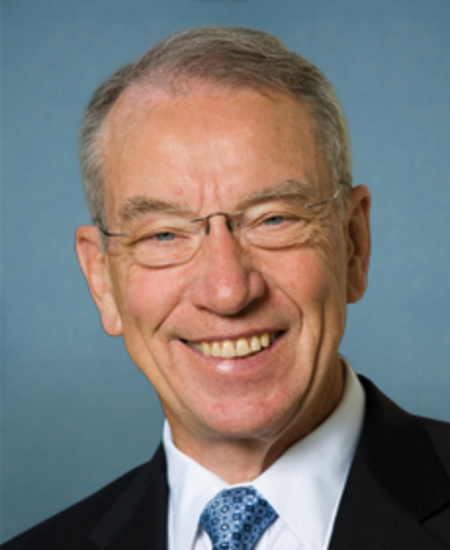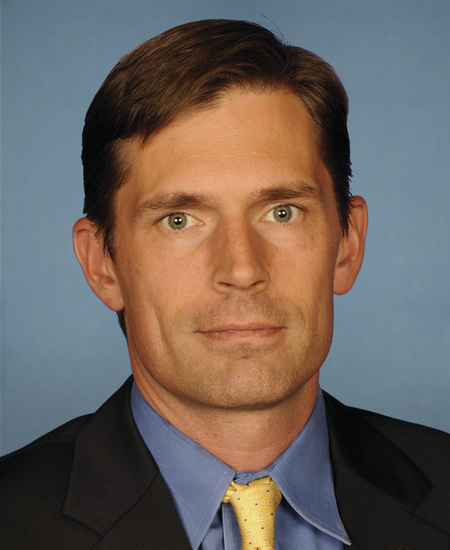
September 3rd, 2026Heinrich, Armstrong Introduce Legislation to Give Tribes More Flexibility to Hire Qualified Native Language Educators, Preserve Native Languages
WASHINGTON — U.S. Senators Martin Heinrich (D-N.M.) and Alan Armstrong (R-Okla.) introduced the Native Language Educators in Classrooms Act, bipartisan legislation to give Tribal Head Start programs greater authority to determine how qualified educators can meet Head Start teaching requirements — helping Tribes hire more Native language educators and bring more fluent Native language speakers into the classroom. Tribal Head Start programs play a critical role in preserving and promoting Native languages, cultures, and traditions. But federal credentialing requirements can prevent Tribal programs from hiring qualified educators — particularly in communities with limited access to higher education. “Preserving Native languages is essential to maintaining cultural identity,” said Heinrich. “But today, federal requirements can prevent Tribal Head Start programs from hiring the people best equipped to pass those languages, cultures, and traditions on to the next generation. My Native Language Educators in Classrooms Act will give Tribes more flexibility to determine who is qualified to teach in their own communities and create more pathways for fluent Native language speakers and other qualified educators to enter the classroom. This is about making sure Tribal communities have the authority and resources they need to keep their languages and cultures strong for generations to come.” “Native languages are at the heart of Tribal culture, identity, and community. I’m proud to work across the aisle to strengthen Tribal Head Start programs and open more pathways for teachers to enter the classroom, helping Tribes preserve their languages and pass them on to the next generation,” said Armstrong. According to a recent U.S. Government Accountability Office (GAO) study , nearly all Tribal Head Start programs report difficulty hiring and retaining staff. These staffing challenges can limit programs’ ability to enroll eligible children and provide Native language education. New Mexico is at a critical junction when it comes to preserving Native languages. A Navajo Times study found that 93% of Navajo people were considered fluent in the language in 1980. By 2010, that figure had fallen to 53%, and projections estimate it could drop to just 30% by 2030. Heinrich and Armstrong’s Native Language Educators in Classrooms Act helps address these challenges by giving Tribes flexibility in credentialing Tribal Head Start educators. This flexibility will allow Tribal Head Start programs to hire more Native language educators in Head Start classrooms while maintaining health, safety, and professional standards. Under the Native Language Educators in Classrooms Act, Tribes could: Waive certain degree requirements that fail to recognize the knowledge and language skills of elders and fluent Native language speakers. Waive certain verification visit requirements that can be particularly difficult for educators and programs in remote Tribal communities. Recognize early childhood education certificates as an alternative pathway to qualification, including certificates earned through institutions of higher education available in Tribal communities, such as Tribal colleges and universities. These certificates can exceed the qualifications of typical Head Start credentials without requiring a verification visit. Create more pathways for qualified Tribal community members to enter the Head Start workforce, allowing educators to earn credentials and build their professional qualifications through institutions and programs that are accessible in their own communities. The Native Language Educators in Classrooms Act is endorsed by the Pueblo of Isleta, Pueblo of Santo Domingo, National Indian Head Start Directors Association, National Indian Education Association, and American Indian Higher Education Consortium, National Congress of American Indians, and the National Head Start Association (NHSA). "Our Head Start program is a vital resource for the Pueblo of Isleta. This critical legislation expands opportunities for Isleta tribal members to work with Head Start program here at home, while making it possible for youngest children to be taught by members of our community,” said Governor Jiron, Pueblo of Isleta. “American Indians and Alaska Natives face unique challenges accessing higher education. Even when they do obtain credentials, they face further challenges returning to work in their Tribal communities, which may be unable to offer compensation competitive with opportunities outside the community,” said Governor Raymond Aguilar, Jr., Pueblo of Santo Domingo. “The Native Language Educators in Classrooms Act would create a unique credentialing framework designed to support Native educators in obtaining credentials through flexible and supportive pathways. The result will be Tribal Head Start classrooms staffed by Native educators who pass on our culture, traditions, core values, and language to our children and families. The Santo Domingo Pueblo supports Senator Heinrich and Senator Armstrong in this legislative effort.” “Early childhood education is the foundation of healthy Tribal communities. But overly restrictive degree requirements are making it harder for the very people best equipped to teach Tribal children to become Head Start educators. The strongest teachers combine professional preparation with the language, culture, and community knowledge that Native children deserve. The Native Language Educators in Classrooms Act provides a commonsense, bipartisan solution, without compromising quality, by expanding the types of pathways early educators can take to include Early Childhood Education certificates, which can be earned from a Tribal College or University. NIHSDA applauds Senators Heinrich and Armstrong for their leadership in advancing legislation that will help Tribal programs recruit and retain educators, strengthen culturally grounded early childhood education, and ensure more Native children receive the strong start they deserve,” said the National Indian Head Start Directors Association. “The National Indian Education Association strongly supports the Native Language Educators in Classrooms Act. Tribal communities know what their children need to thrive, and that includes educators who bring not only professional preparation, but also the language, culture, knowledge, and relationships that are essential to strong early learning. S. 5299 recognizes the realities facing Tribal Head Start programs by creating meaningful pathways for talented educators to enter the classroom, grow professionally, and earn credentials without asking communities to choose between cultural knowledge and academic preparation. This legislation strengthens the Native educator pipeline, supports Tribal self-determination, and helps ensure our youngest Native learners are surrounded by educators who know their communities, languages, and cultures,” said Kerry D. Bird, President of the National Indian Education Association. “Head Start and Early Head Start programs, especially in the American Indian and Alaska Native communities, continually struggle to create a consistent workforce pool of degree-qualified educators. The Native Language Educators in Classrooms Act would not only address workforce shortages but also create a flexible pathway to obtain credentials for Head Start staff in Tribal communities, in particular by recognizing credentials issued by Tribal Colleges and Universities (TCUs). These institutions provide targeted credential pathways for educators who incorporate their culture, customs, and language with the respective Tribal Nation to enhance lifelong learning and cultural preservation. Specifically, Head Start teachers and assistant teachers, and Early Head Start teachers would be able to enter the field more readily, gain advanced credentials over a period of time, and take advantage of long-term support toward attaining higher degrees," said Ahniwake Rose, President and CEO of the American Indian Higher Education Consortium. “ AIHEC stands with Senators Heinrich and Armstrong in support of modernizing this legislation to recognize Early Childhood Education certifications and credentials offered by more than 50 percent of TCUs to help fill these workforce gaps.” “The National Congress of American Indians (NCAI) supports the Native Language Educators in Classrooms Act, which recognizes that Native languages and cultural knowledge are essential to the success of Native children enrolled in Tribal Head Start programs. By creating more flexible pathways for qualified Native language and cultural educators, this legislation will help remove barriers to employment that too often leave classrooms without the educators they need. Native youth are our future leaders and they deserve the ability to learn their Native languages and culture. NCAI urges Congress to advance this bipartisan legislation and provide Tribal communities with greater flexibility to recruit and retain the Native language and culture educators their children need,” said Larry Wright Jr., National Congress of American Indians Executive Director. “The National Head Start Association (NHSA) supports the Native Language Educators in Classrooms Act as a bipartisan solution to the unique challenges faced by American Indian/Alaska Native (AI/AN) Head Start programs,” said National Head Start Association Executive Director Yasmina Vinci. “The legislation recognizes the unique language and cultural qualifications of AI/AN Head Start teachers and provides flexible paths to alternative credentialing that meet or exceed existing degree requirements. NHSA looks forward to supporting Sens. Heinrich and Armstrong to move this legislation forward.” The full text of the bill is here . ###
70dba42d-5ab3-42e3-881a-b72d23794441Issued within 24 hours
Other senators' releases published in the day before or after this one.