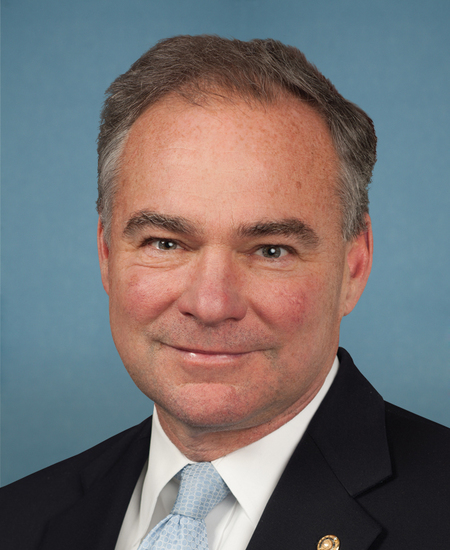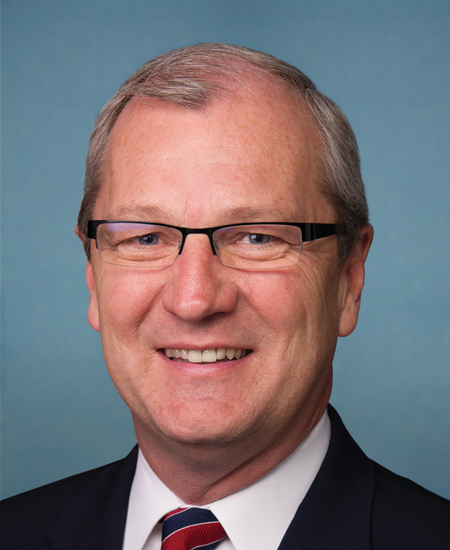
Cramer, Kim Introduce Legislation to Ensure American Export Security
WASHINGTON, D.C. – American competitiveness in the artificial intelligence (AI) arms race is at the forefront of national security policy discussions as well as top of mind for investors across industries. The Bureau of Industry and Security (BIS) is at the center of it all, quietly shaping American exports. Housed at the Department of Commerce (DOC), BIS runs the U.S. export-control licensing system for civil and military dual-use technologies. The bureau is responsible for governing exports like American computer memory chips, software, and equipment, ultimately regulating their ability to flow to adversarial nations like China. U.S. Senators Kevin Cramer (R-ND) and Andy Kim (D-NJ), members of the Senate Banking Housing, and Urban Affairs Committee which has jurisdiction over the BIS, introduced the Bureau of Industry and Security License Administration Enhancement Act . Cramer, who also serves on the Senate Armed Services Committee, explained, “Safeguarding American security and competitiveness starts here at home. The Bureau of Industry and Security is charged with the significant behind-the-scenes task of evaluating risks associated with foreign ownership of our most sensitive exports. Reforming the bureau is a critical element to make sure our exports aren’t ending up in the hands of adversaries like China.” "This legislation builds on essential bipartisan commitment to strengthen our export controls, safeguard America’s competitive edge, and keep our most advanced technology out of the hands of China and other adversaries,” said Kim. “As we see concerning reports that BIS is underfunded and needs internal reforms, it is critical we pass this legislation to bring more clarity to the licensing process as I continue to push for increased funding for BIS through the appropriations process." Cramer and Kim’s legislation includes multiple reforms to ensure clarity in the export process. The most significant is the creation of new Technical Advisory Committees (TACs) designed to focus on chips, artificial intelligence, quantum computing, biotech, robotics, aerospace, advanced materials, weapons of mass destruction, emerging tech, and regulations and procedures. Members of these TACs must sign mandatory non-disclosure agreements to ensure sensitive information is not leaked or used improperly. They will serve three-year terms and are required to comply with oversight reporting to Congress and jurisdictional agencies. The BIS Administration Enhancement Act will also require: “Is-informed letters” (used as part of the administrative process to ensure exporters are aware of possible changes to licensing and exporting requirements or procedures) to go through the standard interagency process, along with terminating any letter within 60 days unless BIS publicly publishes the underlying restriction. Publication detailing how licensing officers apply the “presumption of denial” standard within 90 days of enactment, with a pre-publication submission to Congress Review by Commerce of a 2025 BIS rule cracking down on AI-chip smuggling via foreign foundries, with a report to Congress on its findings within 120 days. Representative Michael McCaul (R-TX-10) led the introduction of the BIS License Administration Enhancement Act in the House. It passed out of the House Foreign Affairs Committee with overwhelming bipartisan support by a vote of 43-1. Click here for bill text.
79d5f45c-4621-4378-b4a0-3237e4a122c3Issued within 24 hours
Other senators' releases published in the day before or after this one.