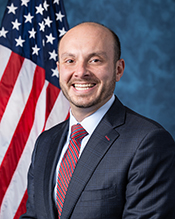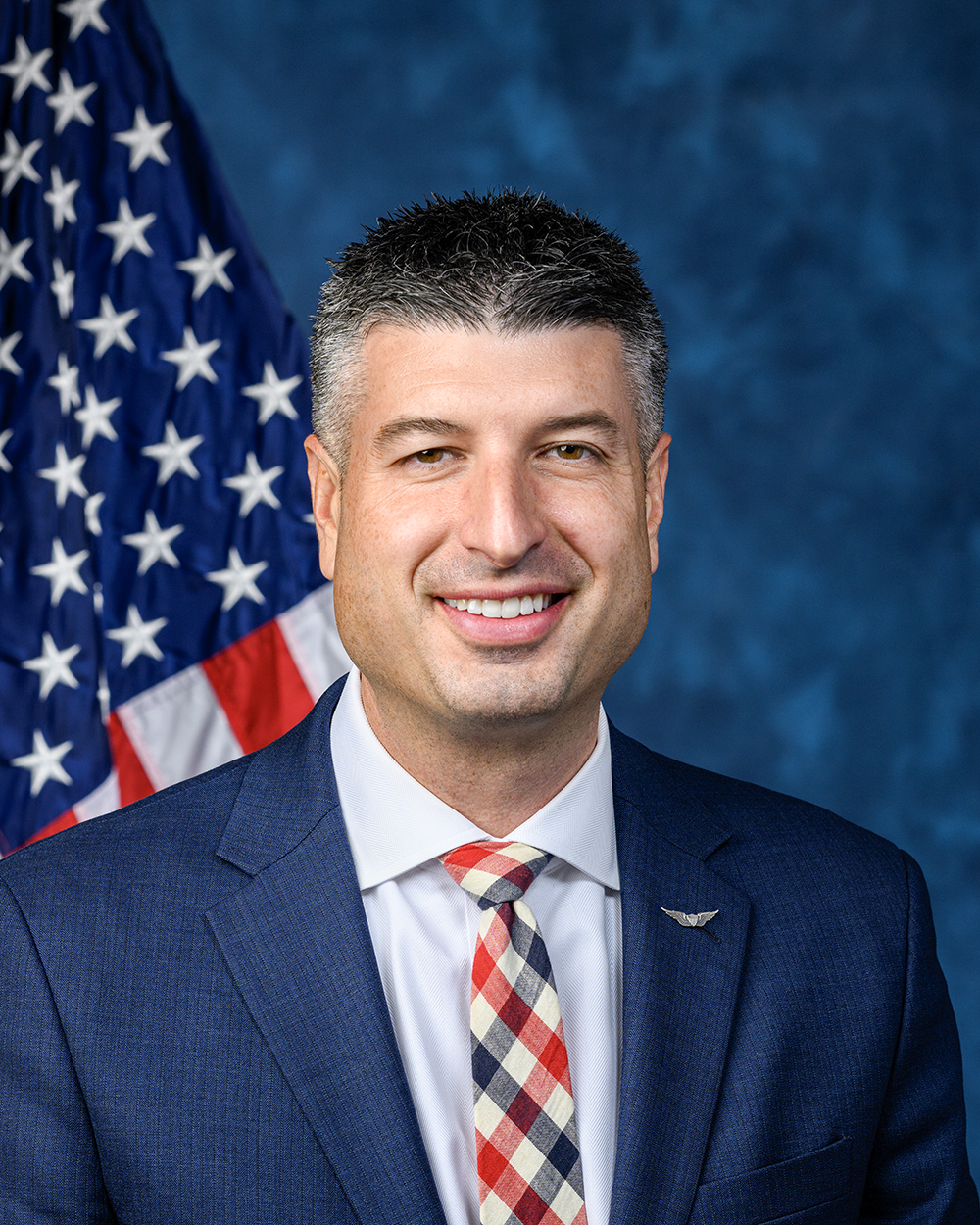
McCaul, Costa, Colleagues Urge "Full and Faithful" Implementation of Lindsey O. Graham Sanctioning Russia and Iran Act
October 15, 2026 Press Release WASHINGTON – Today, House Foreign Affairs Committee Chairman Emeritus Michael McCaul (R-Texas) joined Congressman Jim Costa (D-Calif.) and 20 bipartisan colleagues in sending a letter to President Trump urging "full and faithful" implementation of the Lindsey O. Graham Sanctioning Russia and Iran Act. McCaul introduced and championed the legislation in the House alongside Congressman Steny Hoyer (D-Md.) and a bipartisan group of colleagues. As the law's initial October 18 implementation deadline approaches, the members thanked President Trump for signing the bill and called on his administration to use the full force of its sanctions and tariff authorities to increase pressure on Vladimir Putin and reinvigorate peace efforts. They also raised concerns about the Treasury Department's October 9 authorization of transactions involving Russian-origin diesel and urged a revocation of the issued license. In addition to McCaul and Costa, the letter was signed by Reps. Don Bacon (R-Neb.), Sanford Bishop (D-Ga.), Salud Carbajal (D-Calif.), Ed Case (D-Hawaii), Steve Cohen (D-Tenn.), Danny Davis (D-Ill.), Madeleine Dean (D-Pa.), Brian Fitzpatrick (R-Pa.), Jared Golden (D-Maine), Marcy Kaptur (D-Ohio), Josh Gottheimer (D-N.J.), Steny Hoyer (D-Md.), John Mannion (D-N.Y.), Robert Menendez (D-N.J.), Dan Newhouse (R-Wash.), Mike Quigley (D-Ill.), Melanie Stansbury (D-N.M.), Dina Titus (D-Nev.), Jill Tokuda (D-Hawaii), and Joe Wilson (R-S.C.). Full text of the letter can be found here and below. Dear Mr. President: As Russia prepares to wage a fifth winter campaign against Ukraine, the United States has an opportunity to reinvigorate peace efforts by placing maximum pressure on Vladimir Putin and the governments and networks that finance his war. We write to thank you for signing the Lindsey O. Graham Sanctioning Russia and Iran Act of 2026 into law, and to urge its full and faithful implementation by the first deadline on October 18. Utilizing the tools for economic pressure in this law will be decisive in forcing Putin to take peace talks seriously. Timely and complete execution of the first round of mandatory sanctions will deter Russia’s increasing attacks on Ukrainian civilians and their livelihoods. Russia has intensified strikes on Ukraine’s civilian infrastructure and on cargo ships that carry global supplies of grain, and it is blocking food and medicine from reaching civilians in occupied territories. Just as Iran’s attacks on shipping in the Strait of Hormuz threatened global energy markets, Russia’s campaign against shipping in the Black Sea threatens global food security and demands an equally firm response. The Kremlin’s fearful response to this law underlines its power to finally force Russia to stop the killing. The Administration’s sanctions against the illicit A7 network propping up Russia and Iran’s war efforts is a strong opening salvo in this effort. We therefore urge the Administration to apply the Graham law’s sanctions to their fullest extent and without delay. Designations should reach the officials, oligarchs, banks, and state enterprises directing and financing the war, as well as the foreign banks, shadow fleet operators, and intermediaries that help Russia evade restrictions. We are particularly concerned by Treasury's October 9 issuance of General License 135, which authorizes transactions involving Russian-origin diesel, including imports into the United States. We urge the Administration to revoke this license and not issue further general licenses that reopen Russian energy transactions and restore revenue to the Kremlin's war chest. Methodical application of the law’s secondary tariffs will cut into the energy revenue that sustains Russia’s war and make clear that the countries financing it will share in its cost. Oil and gas sales remain the Kremlin’s most important source of income, and China and India remain its largest purchasers of crude. The law directs tariffs on the largest importers of Russian energy and the leading facilitators of sanctions evasion, and we call on the Administration to apply them precisely. Country determinations should rest on authoritative trade and maritime data, and the methodology behind them must be shared with Congress. Tariff rates should serve as leverage to secure verifiable commitments to reduce purchases of Russian energy, easing as reductions are demonstrated. Precise targeting of these tariffs will also preserve the allied unity that has constrained Russia’s war economy. European allies have committed to eliminating their imports of Russian oil and gas by the end of 2027, and many have already made substantial reductions. The law provides exceptions and rate adjustments for countries taking such steps, and we ask the Administration to apply them as Congress intended. Penalizing partners who are already cutting off Moscow and supporting Ukraine would undercut America’s greatest leverage over the Kremlin—the powerful international coalition working to isolate Putin while his invasion continues. Disciplined use of the law’s waiver authority and close consultation with Congress will sustain this pressure over time and demonstrate global credibility. We ask that any waiver be narrow, time-limited, and tied to measurable reductions in support for Russia’s war, and that no waiver be used to defer the law’s core provisions. We further request timely delivery of the required tariff justifications and a briefing for the committees of jurisdiction following the October 18 deadline, as well as regular updates ahead of each 180-day review. In advance of the deadline, we respectfully request answers to the following questions: What actions will the Administration complete by October 18 to demonstrate that the law’s mandatory sanctions, secondary tariffs, and prohibitions are being fully implemented, and will any provision be delayed or waived? Which Russian officials, oligarchs, banks, and state enterprises will be designated by October 18, and will these designations extend to the foreign banks, shadow fleet operators, and intermediaries that help Russia evade sanctions? Which countries will be subject to secondary tariffs by October 18? What trade and maritime data was used to identify them, and how will the exceptions and rate adjustments be applied to allies reducing their purchases of Russian energy? What benchmarks will the Administration use to demonstrate to Congress and the American people that these measures are increasing pressure on Putin, such as reductions in Russia’s energy revenue and in third-country purchases of Russian oil and gas? How does the Administration reconcile General License 135 with the existing statutory ban on Russian energy imports, and what impact does it expect the license to have on Russia's energy revenues? Putin has repeatedly shown that he responds to pressure, not goodwill. With the October 18 deadline approaching, we again urge you to implement this law fully and faithfully. This will make clear that American resolve is bipartisan and durable, and that the cost of continuing this war will only grow until Russia comes to the negotiating table. We remain committed to Ukraine’s defense and to a just and lasting peace. We stand ready to work with your Administration to ensure this law achieves the purpose for which Congress enacted it. Issues : Foreign Affairs
835101d7-0353-400a-bba9-42e5b3721d26Issued within 24 hours
Other senators' releases published in the day before or after this one.