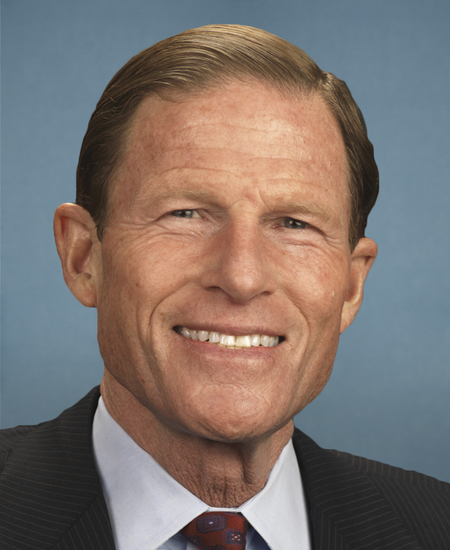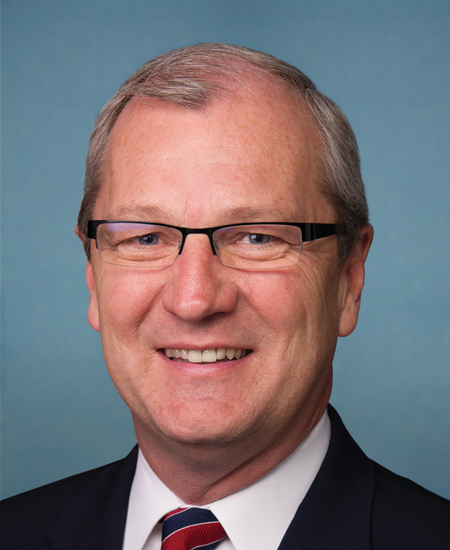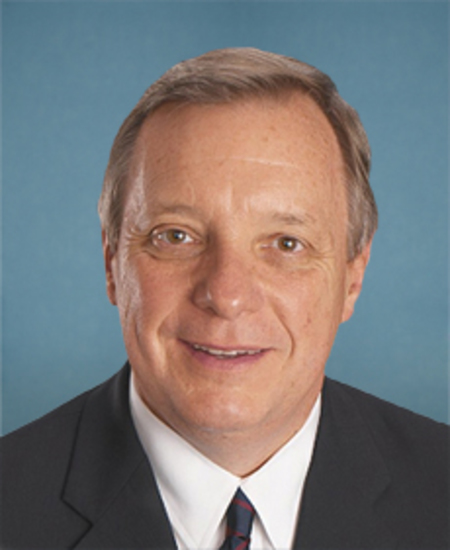
Durbin, Fischer’s Protecting Children With Food Allergies Bill Passes Senate
WASHINGTON – U.S. Senate Democratic Whip Dick Durbin (D-IL) and U.S. Senator Deb Fischer (R-NE), both members of the Senate Committee on Agriculture, Nutrition, and Forestry, applauded the Senate passage of theWhole Milk for Healthy Kids Act, which included their bipartisanProtecting Children with Food Allergies Actas an amendment. Durbin and Fischer’s legislation would ensure school food service staff receive essential training about food allergies, so that they are better equipped to prevent, recognize, and respond to food allergic reactions, which can save lives. The Senate bill heads to the House one final time before being presented to the President for signature.
“When parents drop their kids off at school, they should have peace of mind knowing that their children are safewith personnel who are trained to handle their children’s food allergies,”said Durbin.“Peanuts, eggs, soy, and milk are nutritious, but for some kids, they are allergens that can be deadly. I’m encouraged to see the Senate pass ourProtecting Children with Food Allergies Actto ensure that kids will be safe in the event of an allergic reaction.”
“America’s parents have enough on their plate without worrying about whether their kids’ schools can respond to serious allergic reactions. While Nebraska has already led the way as the first state to require schools to stock epinephrine, we need more national solutions to protect our children. I’m grateful for the bipartisan support of ourProtecting Children with Food Allergies Acthere in the Senate, and I look forward to working with our colleagues in the House to send this bill to the President’s desk,”Fischer said.
Food allergies are a growing public health concern. Over the past two decades, the number of children with food allergies in the U.S. has more than doubled. Approximately six million children are estimated to have food allergies, about two students per classroom. Further, 20 percent of all epinephrine shots administered in schools are given to children who have undiagnosed food allergies—which makes it even more important for school food personnel to understand how to recognize and respond to an allergic reaction.
USDA requires annual trainings to school food personnel who work under the National School Lunch Program (NSLP) and the School Breakfast Program (SBP). Required trainings include modules in nutrition, health, and food safety standards. USDA also makes available trainings that address food allergies, but those are not required as part of these annual trainings. TheProtecting Children with Food Allergies Actwould add “food allergies” to the existing list of trainings to ensure that school food personnel receive essential information about food allergies.
TheProtecting Children with Food Allergies Acthas endorsements from: Food Allergy Research & Education (FARE),Asthma and Allergy Foundation of America (AAFA),American Academy of Allergy Asthma & Immunology (AAAAI),American Academy of Pediatrics (AAP),American College of Allergy, Asthma, and Immunology (ACAAI),and School Nutrition Association (SNA).
-30-
85b04a26-b474-44f0-afc8-3e3b82c99c42Issued within 24 hours
Other senators' releases published in the day before or after this one.