November 5th, 2026FACT SHEET: Heinrich Details How Bipartisan American Affordability & Jobs Act Holds Data Centers Accountable, Lowers Utility Bills for American Families
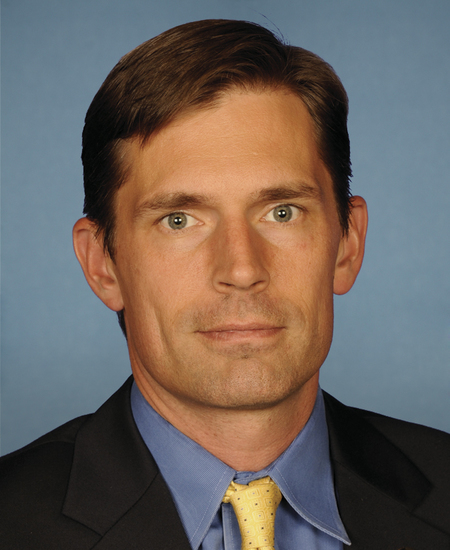
WASHINGTON — Today, U.S. Senator Martin Heinrich (D-N.M.), Ranking Member of the U.S. Senate Energy and Natural Resources Committee, released a fact sheet detailing how his Bipartisan American Affordability and Jobs Act will hold data centers accountable, forcing them to pay for grid upgrades instead of passing costs onto electricity customers, helping to lower utility bills for working families. Heinrich’s fact sheet can be found here and below. Bipartisan American Affordability & Jobs Act Making sure data centers pay for their grid costs, lowering utility bills for families Large data centers can require as much electricity as a small city. When a data center connects to the grid, the utility may need to add or upgrade transmission infrastructure to serve that new demand. If those costs are not assigned to the data center, they can ultimately be reflected in electricity rates paid by other customers. A Federal Reserve Bank of Dallas working paper estimates that data center demand has already pushed up wholesale electricity prices 6.9% nationally, a number that it projects could increase to 12.3% by 2028. What The Bill Does: Requires data centers to pay the costs they create. The bill directs the Federal Energy Regulatory Commission (FERC) to require utilities to establish rates that force large data centers to pay for both the cost of serving them and the grid upgrades needed to handle them. This means the cost of accommodating a new data center does not fall on other electricity customers. Ends a current barrier to charging data centers for grid upgrades. Current FERC policy generally prevents utilities from charging customers for both their share of existing grid costs and the additional grid upgrades needed to serve that customer. The bill directs FERC to change that policy to ensure that large data centers pay for both. If a data center needs the grid to be expanded or upgraded to power its operations, utilities must charge customers serving that data center for those costs on top of the regular cost of electricity. The bill makes these charges mandatory—not voluntary—ultimately driving down costs for consumers. Gives states a way to reduce costs for families and businesses. States can use the revenue collected from data centers to reduce electricity rates for homes, small businesses, and other existing electricity customers. Requires the reporting of information on data center energy usage. Requires the Energy Information Administration to update its annual survey to require utilities to report electricity sales to data centers—which utilities currently report for residential, commercial, and industrial sectors, but not for data centers. ###
912117aa-9bac-42b2-9b7b-7f349d9666aaIssued within 24 hours
Other senators' releases published in the day before or after this one.