Strickland Presses Army Leaders on Workforce Uncertainty and Halted Poland Rotation
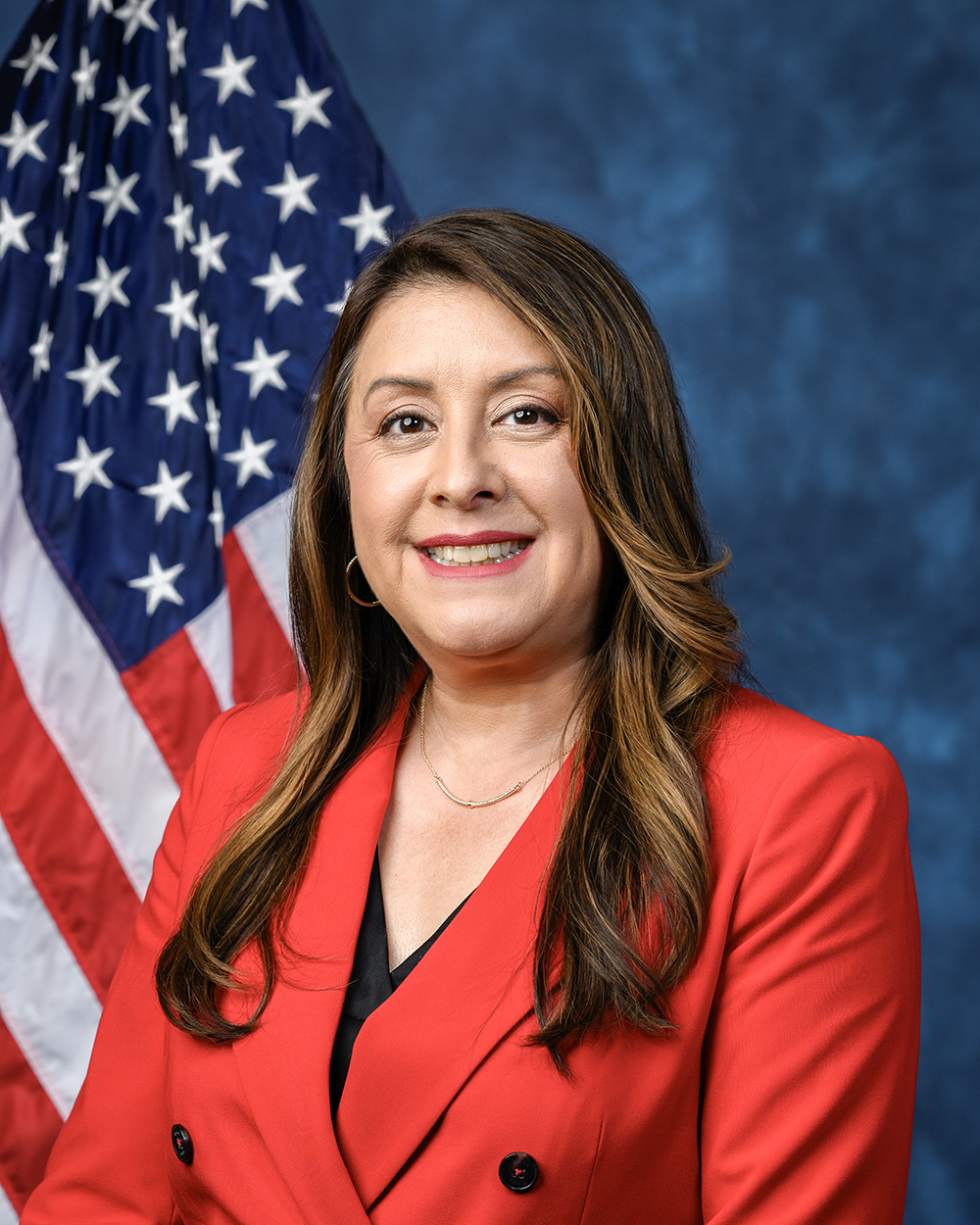
Washington D.C. – On Friday May 15, 2026, Congresswoman Strickland questioned Army Secretary Daniel Driscoll and General Christopher LaNeve on the existing workforce pipeline and policies, including for civilian personnel. Strickland also questioned the decision to remove 4,000 servicemembers from Poland, sparking concerns on Russian deterrence in Europe. Strickland’s remarks are transcribed below, and can be viewed here : Chairman Mike Rogers : Chair now recognizes Ms. Strickland. Congresswoman Marilyn Strickland: Thank you Chairman Rogers, Ranking Member Smith, and thank you Secretary Driscoll and General LaNeve for being here. It’s nice to see you both again. This Committee is being asked to evaluate not only the Army’s budget request, but leadership decisions, workforce policies that will determine whether that budget can be effectively executed. And at a time when the Department is managing modernization efforts, operational demands, and workforce restrengthening simultaneously, we the policy makers in Congress need a clear understanding of whether current policies are strengthening or compromising the institution’s ability to execute its mission and support around the world. Recent reporting by the DefenseScoop and Federal News Network have highlighted growing concerns surrounding Army civilian workforce restructuring efforts, hiring responsiveness, and workforce stability. And for anyone watching at home, nearly 30 percent of people who are on bases are civilians. At Joint Base Lewis-McChord it’s around 30 percent. So across the Army, Commands are reporting uncertainty tied to those workforce challenges. And my question for you is, what exactly is the Army doing to improve workforce responsiveness and reduce uncertainty for Commands and employees? Secretary Driscoll, when we met in October you indicated that when hiring exemption requests reach your desk, you’re going to approve them. However, Commands across the Army are reporting workforce uncertainty due to hiring delays, restructuring efforts, and extended approval timelines. What specific actions is the Army taking to reduce this uncertainty? Secretary Dan Driscoll : Congresswoman, I referenced that a bit earlier, but one of the things we the United States Army have not done well over the last 30 years on behalf of the taxpayer, is get our arms around our civilian workforce. And by that what I mean is we think about it as our faces, the people that work for us, who are incredible, patriotic Americans with incredible talent that helps the Department, and our spaces, our jobs. And so, we took advantage of the hiring freeze that was Department wide and we actually kept it longer than any other service, and we had a lot of hard conversations with Commanders along the way about why we were doing it. But the intent was to match our people to our jobs. Through this exercise, about a month ago, we got to a final place where what we think we’ve done is saved about two billion dollars a year on behalf of the taxpayer. That’s 10 billion over the FYDP (Future Years Defense Program) . Strickland : No, and we appreciate the saving of taxpayer money, but are you being effective to address the shortages we’re having and the challenge that we’re having to get a civilian workforce? Driscoll : I believe we are, Ma’am. Strickland : Alright, thank you. Now I’m going to talk about Strategic Hiring Committee and hiring delays and I’m going to go to General LaNeve. The Army Strategic Hiring Committee reportedly has only met twice so far, while large members of hiring requests from the Force remain delayed or denied. Do you believe that the current process is providing Commands the responsiveness they need to manage their civilian workforce effectively? General Christopher LaNeve : Yes, Ma’am, I do. As we work back up through the process. Strickland : And can you give us specific examples of what you’re doing to make it work? LaNeve : Ma’am, all the commands have had an opportunity to send back up how they’re filling out their positions and that what exemptions that they need to be able to fill critical positions in there. That comes back up through me, and the Secretary, and our Deputy Under Secretary in order to approve those positions. Driscoll : And Congresswoman, just this week we feel good that we’ve gotten a grasp on the faces and spaces. And so, we are selectively pulling off the hiring freeze across the Army. And I would guess within about a month or two we will have no more hiring freezes in Army. And the local, on the ground Commanders will be able to make the hiring decisions they need. Strickland : Great, thank you for that. And my office will follow up with you in a month so we can get a full report of exactly what’s happening. So, I want to switch over to the conversation that my colleague, Congressmember Scott, brought up about the sudden withdrawal, well not sending folks where they were supposed to go. And, “ The Army’s role in Europe ” – this is a quo
9a5385f3-fb94-4f2a-ae36-979d8577005fIssued within 24 hours
Other senators' releases published in the day before or after this one.