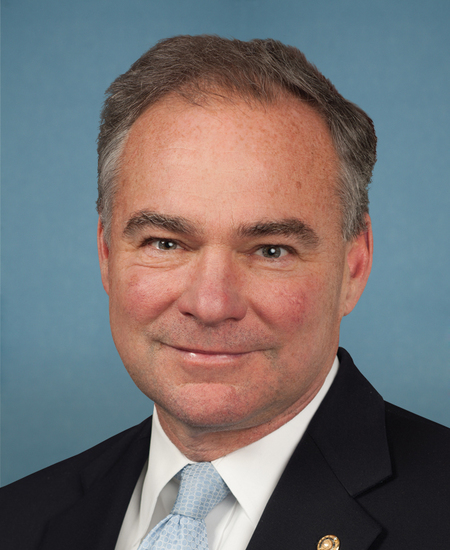
Kaine & Padilla Introduce Legislation to Support Medical Schools in Underserved Areas, Strengthen Diversity Among Health Care Providers
WASHINGTON, D.C.–Today, U.S. Senators Tim Kaine (D-VA), a member of the Senate Health, Education, Labor and Pensions (HELP) Committee, and Alex Padilla (D-CA) introduced theExpanding Medical Education Act, legislation to address the lack of representation of students of color, rural students, and underserved students in the physician pipeline. The bill would encourage the recruitment, enrollment, and retention of students from underrepresented backgrounds by providing grants through the Health Resources and Services Administration for colleges and universities to establish or expand certain medical schools in underserved areas or at minority-serving institutions (MSIs), including Historically Black Colleges and Universities (HBCUs).
“Communities of color and Virginians in rural and underserved areas have long faced serious challenges in accessing health care and finding providers that look like them or offer services nearby,”said Kaine.“Research indicates physicians are more likely to practice in the areas they’re from—so supporting medical schools at HBCUs, MSIs, and in underserved areas is a commonsense way to help improve care in those communities. This legislation would help do that and improve recruitment and retention of talented individuals from historically underrepresented backgrounds, creating a health care workforce that more accurately reflects the communities they serve.”
“Expanding opportunities for students of color in medical fields is an essential public health priority,”said Padilla.“By creating more pathways at minority-serving institutions for diverse groups to enter the health care workforce, theExpanding Medical Education Actwould help improve access to culturally competent health care providers and address critical workforce shortages.”
This legislation is designed to combat the United States’ severe health care workforce shortage, which has worsened in recent years. In the first 18 months of the COVID-19 pandemic, nearlyone out of every fivehealth care workers quit their jobs. In 2022, theAmerican Medical Association projectedthere will be a national shortage of up to 48,000 primary care physicians and 77,100 non-primary care physicians by 2034. In 2024, the Virginia Health Workforce Development Authority reported thatover 100 of Virginia’s 133 cities and counties have a shortage of heath care professionals.
TheExpanding Medical Education Actwould prioritize grants to institutions of higher education that:
Entities receiving grants would be required to report to Congress how they use the funding. Eligible uses for the grants include:
Full text of the legislation is availablehere. A one-pager is availablehere.
###
9b956916-4d0b-4f84-825b-c52ccbed4d0bIssued within 24 hours
Other senators' releases published in the day before or after this one.