Cantwell Applauds Funding for Critical Buoy & Technology Program that Trump Proposed to Eliminate
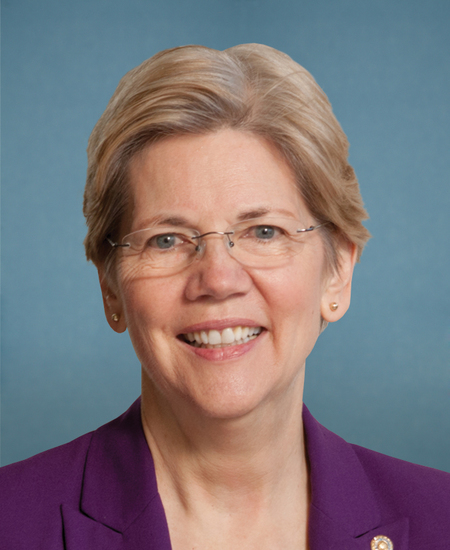
01.16.26 Cantwell Applauds Funding for Critical Buoy & Technology Program that Trump Proposed to Eliminate New budget preserves program that provides vital data for Seattle weather forecasters, Coast Guard search and rescue, and coastal communities WASHINGTON, D.C. – America’s ocean monitoring network – which includes high-tech buoys, gliders, and other data which is collected and monitored by scientists at the University of Washington – has been saved from elimination, U.S. Senator Maria Cantwell (D-WA), ranking member of the Senate Committee on Commerce, Science, and Transportation, and senior member of the Finance Committee, announced today. President Trump’s FY2026 budget request would have eliminated the U.S. Integrated Ocean Observing System (IOOS). Instead, thanks to Sen. Cantwell’s advocacy, the bipartisan second FY 2026 minibus appropriations bill passed yesterday mandates a much-needed increase of the program’s budget by $5 million to $47.5 million, an 11.8% increase from FY25 enacted levels. “NOAA buoys and sensors deliver real-time ocean and coastal data that Washingtonians depend on – helping ships travel safely, making weather and tsunami forecasts more accurate, and tracking the health of our fish populations. During Coast Guard search and rescue missions, when every second counts, NOAA delivers real-time data that can save lives. The administration attempted to eliminate this program – this bill increases funding by 12%,” Sen. Cantwell said. In June 2025, Sen. Cantwell demonstrated solid bipartisan, nationwide support for IOOS by introducing legislation with Senator Roger Wicker (R-MS) to reauthorize the program for five years. In May, Sen. Cantwell led a letter to Senate appropriators co-led by Senator Wicker and 26 other members to call for restoring IOOS funding in the budget. A program of the National Oceanic and Atmospheric Administration (NOAA), IOOS is a partnership of 17 federal agencies and 11 regional associations, including the Northwest Association of Networked Ocean Observing Systems ( NANOOS ) at the University of Washington. NANOOS maintains a network of high-tech buoys and other technology off the coasts of Washington and Oregon. The network provides data that’s vital for: Tracking environmental conditions like The Blob – the unprecedented mass of warm water in the north Pacific Ocean that is linked to changes in climate and ocean ecosystems – that impact fisheries and marine health by monitoring warming waters, the amount of dissolved oxygen, and pH levels in the water. Supporting Coast Guard search and rescue operations by ensuring they have real-time data. Supporting shellfish farmers and their harvest by measuring ocean acidification and detecting harmful algal blooms. Improving weather forecasts by providing critical data to the National Weather Service More information about IOOS is available HERE. Sen. Cantwell also pushed back on Trump’s proposed cuts to NOAA’s cutting-edge science programs, including the proposed elimination of the Oceanic and Atmospheric Research (OAR) Office, which is NOAA’s R&D arm. OAR programs inform National Weather Service (NWS) weather forecasts, which help local communities prepare for and respond to events like the recent atmospheric rivers. President Trump’s proposed budget would have slashed NOAA’s overall funding by approximately $1.7 billion – a 27% cut – and his DOGE team has caused over 2,000 job losses at the agency since January. In June of 2025, Sen. Cantwell joined renowned meteorologists from across the country for a virtual presser to sound the alarm on cuts to NOAA’s National Weather Service, and called on the Trump Administration to restore the agency to full capacity. In July, Sen. Cantwell questioned Dr. Neil Jacobs, President Donald Trump’s nominee to head NOAA, about his plans to preserve the agency’s mission as the administration continues to hack away at NOAA’s budget, workforce, and programs. That same month, in the aftermath of the deadly Central Texas floods, Sen. Cantwell joined CBS’s Face the Nation with Margaret Brennan to discuss the importance of funding and staffing for NOAA and the NWS. And on July 21, Sen. Cantwell sent a letter to President Donald Trump outlining her five-point plan to bolster the United States’ weather readiness. Print Email Tweet Next Article Previous Article
9c3a3187-59ce-41ee-84e8-779fed2b8308Edit history (1 prior version)
This release was edited after publication. Earlier captures are preserved below.
- Captured May 2, 2026, 10:09 AM EDT
Show prior body text
WASHINGTON, D.C.– America’s ocean monitoring network – which includeshigh-tech buoys, gliders, and other data which is collected and monitored by scientists at the University of Washington – has been saved from elimination, U.S. Senator Maria Cantwell (D-WA), ranking member of the Senate Committee on Commerce, Science, and Transportation, and senior member of the Finance Committee, announced today. President Trump’s FY2026 budget request would have eliminated the U.S. Integrated Ocean Observing System (IOOS). Instead, thanks to Sen. Cantwell’s advocacy, the bipartisan second FY 2026 minibus appropriations bill passed yesterday mandates amuch-neededincrease of the program’s budgetby $5 million to $47.5 million, an 11.8% increase from FY25 enacted levels. “NOAA buoys and sensors deliver real-time ocean and coastal data that Washingtonians depend on – helping ships travel safely, making weather and tsunami forecasts more accurate, and tracking the health of our fish populations. During Coast Guard search and rescue missions, when every second counts, NOAA delivers real-time data that can save lives. The administration attempted to eliminate this program – this bill increases funding by 12%,”Sen. Cantwell said. In June 2025, Sen. Cantwell demonstrated solid bipartisan, nationwide support for IOOS byintroducinglegislation with Senator Roger Wicker (R-MS) to reauthorize the program for five years. In May, Sen. Cantwell led aletterto Senate appropriators co-led by Senator Wicker and 26 other members to call for restoring IOOS funding in the budget. A program of the National Oceanic and Atmospheric Administration (NOAA), IOOS is a partnership of 17 federal agencies and 11 regional associations, including the Northwest Association of Networked Ocean Observing Systems (NANOOS) at the University of Washington. NANOOS maintains a network of high-tech buoys and other technology off the coasts of Washington and Oregon. The network provides data that’s vital for: More information about IOOS is availableHERE. Sen. Cantwell also pushed back on Trump’s proposed cuts to NOAA’s cutting-edge science programs, including the proposed elimination of the Oceanic and Atmospheric Research (OAR) Office, which is NOAA’s R&D arm. OAR programs inform National Weather Service (NWS) weather forecasts, which help local communities prepare for and respond to events like the recent atmospheric rivers. President Trump’s proposed budget would have slashed NOAA’s overall funding by approximately $1.7 billion – a 27% cut – and his DOGE team has caused over 2,000 job losses at the agency since January. In June of 2025, Sen. Cantwelljoinedrenowned meteorologists from across the country for a virtual presser to sound the alarm on cuts to NOAA’s National Weather Service, and called on the Trump Administration to restore the agency to full capacity. In July, Sen. CantwellquestionedDr. Neil Jacobs, President Donald Trump’s nominee to head NOAA, about his plans to preserve the agency’s mission as the administration continues to hack away at NOAA’s budget, workforce, and programs. That same month, in the aftermath of the deadly Central Texas floods, Sen. CantwelljoinedCBS’s Face the Nation with Margaret Brennan to discuss the importance of funding and staffing for NOAA and the NWS. And on July 21, Sen. Cantwellsenta letter to President Donald Trump outlining her five-point plan to bolster the United States’ weather readiness.
Issued within 24 hours
Other senators' releases published in the day before or after this one.