Ernst, Budd Lead Legislation to Deter Iranian Aggression
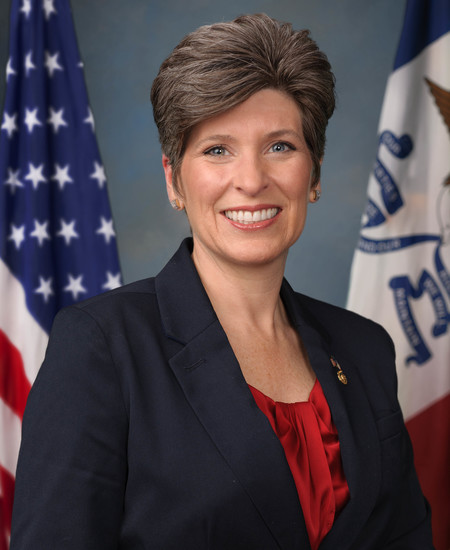
WASHINGTON — U.S. Senators Joni Ernst (R-Iowa), co-chair of the Abraham Accords Caucus, and Ted Budd (R-N.C.) introduced legislation to strengthen regional defense partnerships between Abraham Accords countries and encourage other Arab nations to join the agreements. The Abraham Accords Defense Cooperation Act would require the Pentagon to establish a defense cooperation initiative and funding stream for military cooperation amongst Abraham Accords countries to deter the Iranian regime and its proxies. “The Abraham Accords delivered what Iran fears most, a united front committed to peace instead of chaos,” said Ernst . “As co-chair of the bipartisan Abraham Accords Caucus, I have been proud to build upon the success of the Accords through my DEFEND Act and now through the Abraham Accords Defense Cooperation Act to unite our partners against Iran-backed terror. When our partners are prepared to deter the Iranian regime and its proxies, our world and our homeland are safer.” “Many of our Arab allies in the Middle East, such as Bahrain and the United Arab Emirates (UAE), signatories of the Abraham Accords, remain in the crosshairs of Iranian missiles and drones,” said Budd. “Iran continues to carry out attacks not only on regional Arab allies but is also intentionally targeting American military installations in the region and our ally Israel. For far too long Iran—the world’s greatest sponsor of state terror—and its proxies have threatened U.S. national and economic security while also disrupting peace in the Middle East. By bolstering defense cooperation among Abraham Accords countries, we can strengthen regional partnerships and fortify deterrence against Iranian aggression.” Background: Ernst is one of the founding members and co-chairs of the bipartisan Senate Abraham Accords Caucus, and has led numerous efforts to deepen security cooperation between the U.S. and our partners and allies in the Middle East by making law her: DEFEND Act , which established an air and missile defense architecture with Israel and other Middle East allies after it was signed into law. MARITIME Act , which required the Pentagon to develop a strategy with partners and allies in the Middle East to counter maritime threats posed by Iran and its proxies. AI ACCORD Act , which increased advanced technology network capabilities across Abraham Accords partners and ensure they will be able to combat Iran and its proxies’ use of cyber and artificial intelligence tools. LINK Act , which built further cooperation and trust with Abraham Accords nations by connecting strategic, operational, and tactical senior commanders between our Middle East partners’ armed forces to boost regional security and military readiness. STARS Act , which took the Abraham Accords network to space by improving satellite security coordination in the Middle East. ###
9dec39a2-174c-47ea-8e15-6deca885411aEdit history (1 prior version)
This release was edited after publication. Earlier captures are preserved below.
- Captured May 2, 2026, 10:02 AM EDT
Show prior body text
WASHINGTON — U.S. Senators Joni Ernst (R-Iowa), co-chair of the Abraham Accords Caucus, and Ted Budd (R-N.C.) introduced legislation to strengthen regional defense partnerships between Abraham Accords countries and encourage other Arab nations to join the agreements. TheAbraham Accords Defense Cooperation Actwould require the Pentagon to establish a defense cooperation initiative and funding stream for military cooperation amongst Abraham Accords countries to deter the Iranian regime and its proxies. “The Abraham Accords delivered what Iran fears most, a united front committed to peace instead of chaos,”said Ernst. “As co-chair of the bipartisan Abraham Accords Caucus, I have been proud to build upon the success of the Accords through myDEFEND Actand now through theAbraham Accords Defense Cooperation Actto unite our partners against Iran-backed terror. When our partners are prepared to deter the Iranian regime and its proxies, our world and our homeland are safer.” “Many of our Arab allies in the Middle East, such as Bahrain and the United Arab Emirates (UAE), signatories of the Abraham Accords, remain in the crosshairs of Iranian missiles and drones,”saidBudd.“Iran continues to carry out attacks not only on regional Arab allies but is also intentionally targeting American military installations in the region and our ally Israel. For far too long Iran—the world’s greatest sponsor of state terror—and its proxies have threatened U.S. national and economic security while also disrupting peace in the Middle East. By bolstering defense cooperation among Abraham Accords countries, we can strengthen regional partnerships and fortify deterrence against Iranian aggression.” Background: Ernst is one of the founding members and co-chairs of the bipartisan Senate Abraham Accords Caucus, and has led numerous efforts to deepen security cooperation between the U.S. and our partners and allies in the Middle East by making law her: ###
Issued within 24 hours
Other senators' releases published in the day before or after this one.